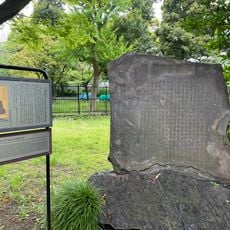
Chōmei-ji, Buddhist temple in Mukōjima, Japan
Chōmei-ji is a Tendai Buddhist temple in Mukōjima, Sumida, Tokyo, with the mountain name Hōju-zan and the cloister name Henjō-in. Its main image is Amida Nyorai, and it houses Benzaiten, one of the seven deities of the Sumida River pilgrimage. The temple is known for Chōmei-ji sakura-mochi, and the grave of the kokugaku scholar Tachibana Moribe and his son Fuyuteru lies on the grounds.
Chōmei-ji's founding date is uncertain: tradition credits the Heian-period monk Ennin, while another account places its establishment in the Keichō era (1596–1615). It was originally called Hōju-zan Jōsen-ji and received its present name on the order of the third Tokugawa shōgun, Iematsu's successor Iemitsu, after a monk named Kōkai treated the shōgun's mild illness with the temple's Hannya water during a hawking excursion.
Chōmei-ji houses Benzaiten, one of the Seven Lucky Gods of the Sumida River, and the temple is a stop on the Sumida River Seven Lucky Gods pilgrimage, a folk custom designated an intangible cultural property by Sumida Ward. The temple also gives its name to Chōmei-ji sakuramochi, a type of cherry-blossom rice cake said to have originated here.
Chōmei-ji stands at Mukōjima 5-4-4 in Sumida ward, a short walk from the Sumida River embankment and its cherry trees. The temple grounds are flat and compact, with the main hall, the Benten shrine of the Sumida River Seven Lucky Gods circuit and the inscribed stones close together. Visitors walking the Seven Lucky Gods route reach it between the Mukōjima and Sumida stops.
The temple's name comes from a hawk-hunting stop by shogun Tokugawa Iemitsu: monk Kōkai treated his mild illness with sacred Hannya water from the grounds, and the cure gave the temple its name. Some accounts attribute the hunt to Ieyasu instead. The temple also houses a Benzaiten statue among the seven deities of the Sumida River.
The community of curious travelers
AroundUs brings together thousands of curated places, local tips, and hidden gems, enriched daily by 94,095 contributors worldwide.