Akōbō Kofun Cluster, Ancient burial site cluster in Oirase, Japan
The Akōbō Kofun Cluster is a group of 108 circular burial mounds with surrounding moats, plus eight pit graves, on a river terrace on the left bank of the Oirase River in Aomori Prefecture. The mounds, about 10 meters in diameter and 1.1 meters high, are now flattened and do not rise above the ground. Each contained a 2-by-1-meter grave pit for a wooden coffin.
The mounds were built from the first half of the 7th century to the end of the 9th century, when northern Honshu lay outside Yamato control; the tombs are attributed to Emishi chieftains. Farmers found magatama beads in April 1986, and excavations by the Oirase Town Board of Education in 1989–1990 and 1999–2006 confirmed 108 domed kofun with moats and eight without. The site became a National Historic Site on 29 July 2007.
The burial mounds served as final resting places for local leaders and reveal social hierarchy through their contents like weapons and ornaments. Visitors can still observe how the graves varied in their furnishings, reflecting differences in wealth and status among the buried individuals.
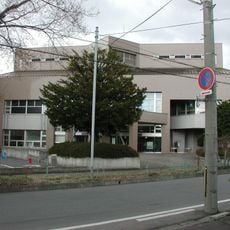
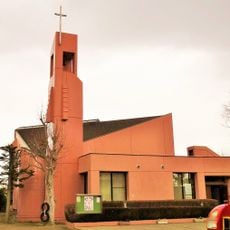
The mounds are flattened and do not rise above the present ground level, so look for the marked site rather than hillocks. Oirase town built a local museum at the site in 2016; it is about 10 minutes by car from Mukaiyama Station on the Aoimori Railway, not within walking distance.
The excavation revealed rare items like ancient horse equipment and farming tools among the burial goods, showing that these leaders were also riders and farmers. Such everyday objects offer a different insight into real life than weapons and jewelry alone would suggest.
The community of curious travelers
AroundUs brings together thousands of curated places, local tips, and hidden gems, enriched daily by 93,468 contributors worldwide.