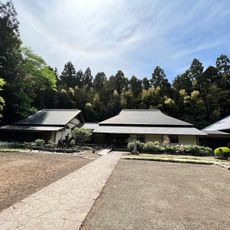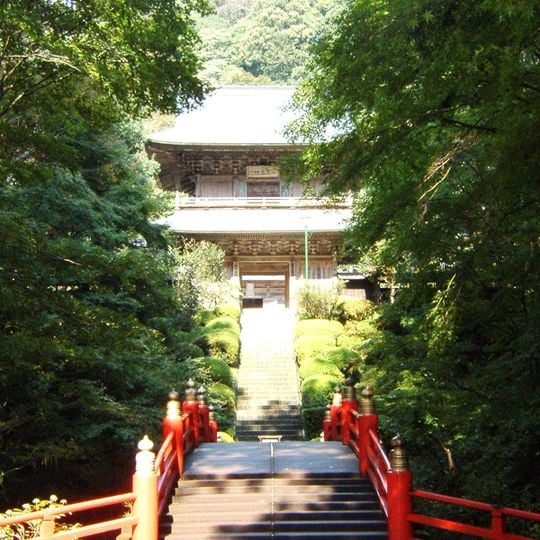
Ungan-ji Temple, Buddhist temple in Otawara, Japan
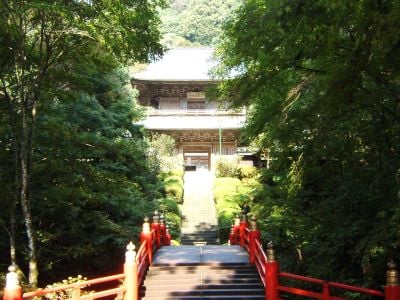
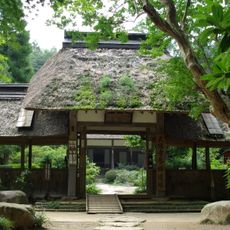
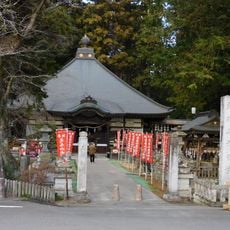
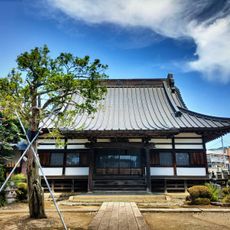
Unganji is a Rinzai Zen temple on the slope of Mount Ungan in Ōtawara, Tochigi Prefecture. Its main hall, rebuilt in 1922, enshrines a bronze seated Shakyamuni Buddha. The two-storey tower gate, a municipal cultural property, dates from 1759, and a 500–550-year-old cedar stands on the grounds.
Founded as an old-school Buddhist temple between 1126 and 1131 by the monk Shusō Gen, it fell into ruin and was re-established in 1283 as a Rinzai Zen temple by Koho Kennichi, backed by regent Hōjō Tokimune. In 1578 it was converted to the Myōshin-ji branch. Toyotomi forces burned it during the 1590 Odawara campaign, and it was rebuilt a few years later.
In the grounds stand stone monuments to the haiku poet Matsuo Bashō and to Butchō, the abbot who received him; they carry two verses composed during Bashō's visit on his Narrow Road to the Deep North journey. The monument was erected in 1803 and rebuilt in 1879.
From JR Nasu-Shiobara Station's east exit, the Otawara city bus to Ungan-ji-mae takes about an hour. From JR Nishi-Nasuno Station, take the Kanto bus to Kuroba, then change to the city bus for Ungan-ji. The temple is a training hall, not a sightseeing temple, and mobile phone reception is out of range.
The temple grounds hold a cedar tree (sugi) designated a natural monument by Ōtawara City in 1992. It stands 39.6 m tall with a trunk circumference of 5.88 m, and its age is estimated at 500 to 550 years.
The community of curious travelers
AroundUs brings together thousands of curated places, local tips, and hidden gems, enriched daily by 93,555 contributors worldwide.