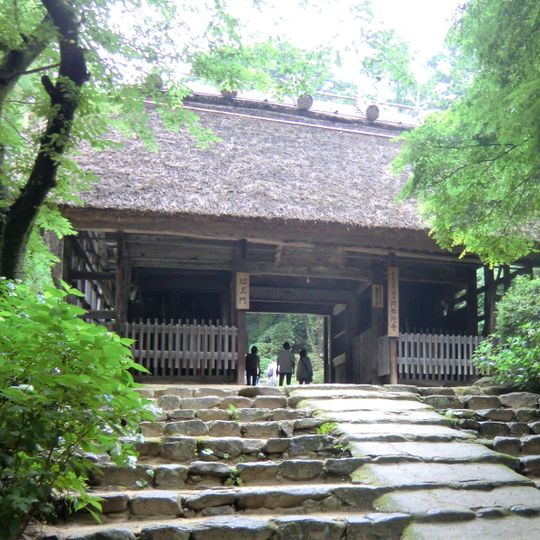
Amida-ji, Buddhist temple in Hōfu, Japan
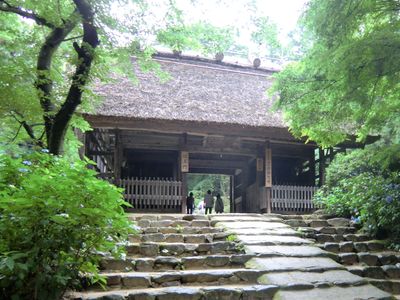
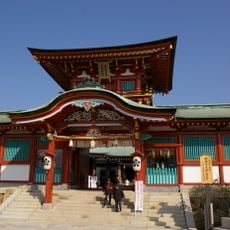
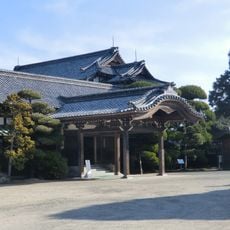
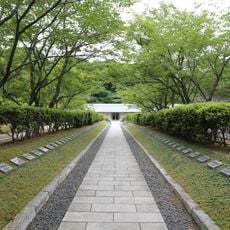
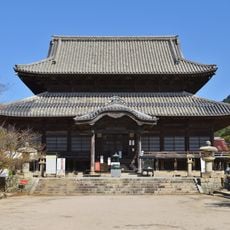
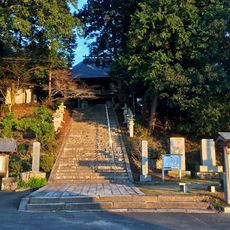
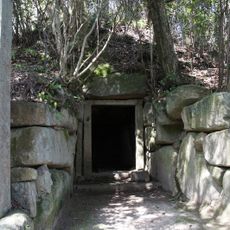
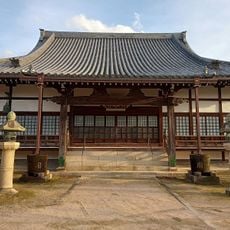
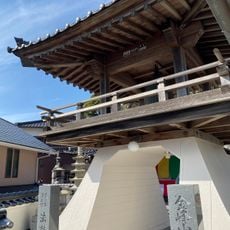
Amida-ji is a Buddhist temple in Hōfu, built on a mountain slope and made up of several buildings, including two bathing structures. The grounds are known for their hydrangea plants, which bloom across the site each year in a wide range of varieties.
In 1186, a monk named Chogen was sent to Yamaguchi by Emperor Go-Shirakawa and soon after established Amida-ji as a branch of Todai-ji Temple in Nara. This early connection to one of Japan's major religious centers shaped how the site was built and used from the start.
Guardian statues made by sculptor Kaikei during the early Kamakura period still stand on the grounds and are visible to visitors today. Their fine detail reflects the level of craft that religious sculpture reached in Japan during the 12th century.
The temple sits on a mountain slope and is not within easy walking distance, so taking a bus from the North Exit of Hōfu Station is the most convenient option. Visiting in the morning gives more time to walk through the full grounds before the light fades.
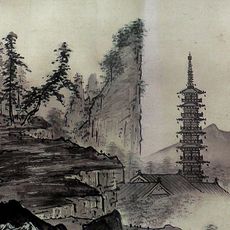
The grounds hold a treasure pagoda from 1197 that is considered the oldest of its kind in Japan, and inside it contains a crystal tower with Buddha relics. Those relics were brought from China by Chogen himself and have remained on the site ever since.
The community of curious travelers
AroundUs brings together thousands of curated places, local tips, and hidden gems, enriched daily by 60,000 contributors worldwide.