Mōri Museum, House museum and Important Cultural Property in Hofu, Japan
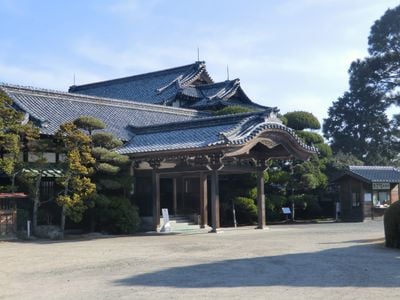
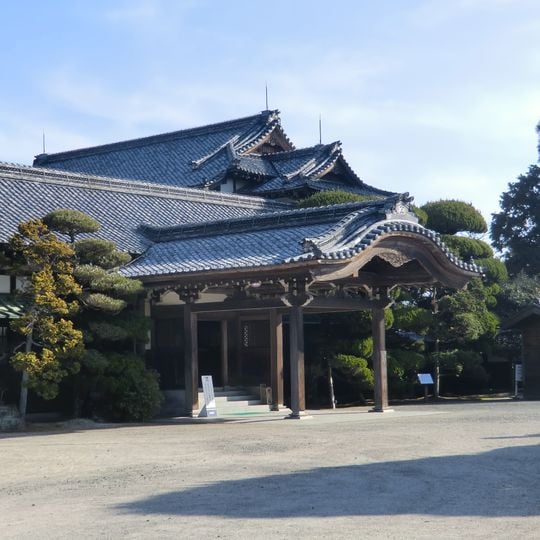
The Mōri Museum occupies the former main residence of the Mōri clan, a 1,002-square-metre hinoki cypress and tile building of ten interconnected structures and sixty rooms. Its Japanese-style rooms include a carriage porch with a cusped gable and a coffered-ceiling hall, while the single Western-style reception room has a carpet, chairs, tables and chandelier lighting. The grounds cover about 53,000 square metres.
Construction began in 1892 but was halted by the First Sino-Japanese and Russo-Japanese Wars, and the residence was completed in 1916. In 1966 part of the house became the Mōri Museum, and in 2011 the main residence was designated an Important Cultural Property.
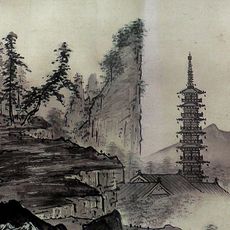
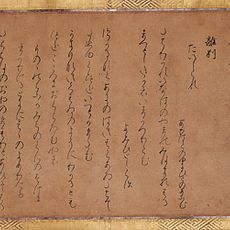
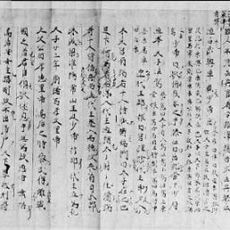
The house was built for Mōri Motoaki, head of the former Chōshū domain house, after the Meiji Restoration, and the family constitution of 1890 fixed the ducal main residence in Yamaguchi. The single Western-style room, carpeted with chairs, tables and chandelier lighting, contrasts with the Japanese reception halls. The museum holds some 20,000 objects, including Sesshū's landscape scrolls and Mōri Motonari's letter of advice to his three sons.
The museum is centrally located in Hofu and easily reached by public transportation from the train station. Visitors should wear comfortable shoes, as the grounds feature multiple buildings and garden areas that require walking between them.
The collection includes a celebrated landscape painting by Sesshu, one of medieval Japan's most important artists, among works the museum displays with pride. Each November the museum features a special exhibition showcasing precious treasures from Japan's artistic heritage.
The community of curious travelers
AroundUs brings together thousands of curated places, local tips, and hidden gems, enriched daily by 93,477 contributors worldwide.