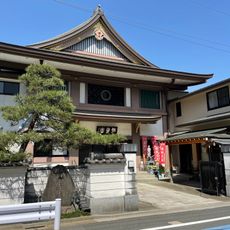
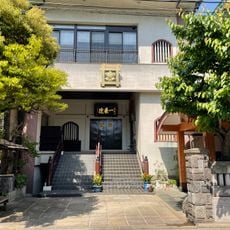
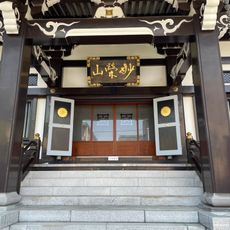
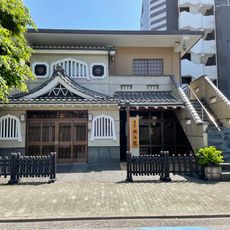
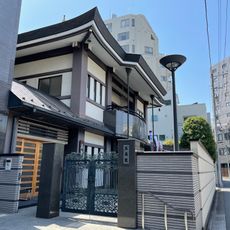
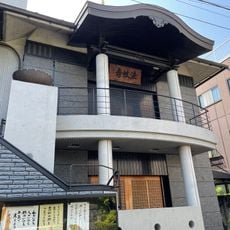
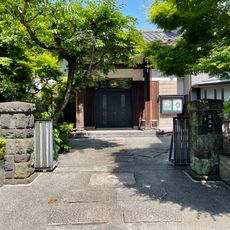
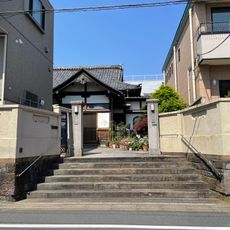
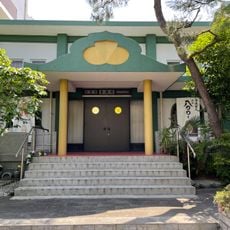
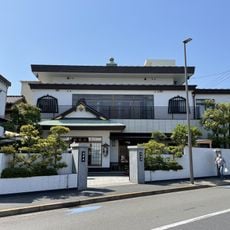
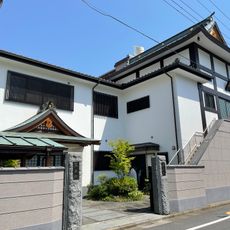
Reigan-ji, Buddhist temple in Shirakawa, Tokyo, Japan
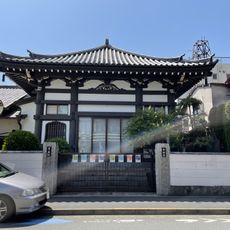
Reigan-ji is a Jōdo-shū Buddhist temple in Shirakawa, Kōtō, Tokyo, founded in 1624 and moved to its present site in 1658. Its main image is Amida Nyōrai, and the grounds contain the grave of Matsudaira Sadanobu, a National Historic Site, and the fifth of the Edo Six Jizō statues, a copper seated figure cast in 1717.
The temple was founded in 1624 by priest Reigan and joined the Kanto Juuhachi Danrin network, which linked Buddhist learning centers across eastern Japan. This early connection shaped its role as a religious and educational center in the region.
The neighbourhood name Shirakawa comes from Matsudaira Sadanobu, lord of Shirakawa Domain, whose grave is here. The temple holds the fifth of the Edo Six Jizō, a copper seated Jizō Bosatsu made in 1717 and a Tokyo-designated cultural property. In the premodern period it was one of Edo's seven crematoriums.
Reigan-ji stands in Shirakawa 1-chome, Koto Ward, about a three-minute walk from Kiyosumi-shirakawa Station on the Hanzomon and Toei Oedo lines. The temple grounds lie in a residential district east of the Sumida River; the grave of Matsudaira Sadanobu and the Jizo statue are within the precinct.
The copper seated Jizō Bosatsu, the fifth of the Edo Six Jizō, was cast in 1717 and is a Tokyo-designated tangible cultural property. The temple also holds the grave of Matsudaira Sadanobu, senior councillor and author of the Kansei Reforms, designated a National Historic Site in 1928. The Shirakawa district name comes from his Shirakawa Domain.
The community of curious travelers
AroundUs brings together thousands of curated places, local tips, and hidden gems, enriched daily by 93,659 contributors worldwide.