Takasaka Yakata, Historical castle in Takasaka, Japan
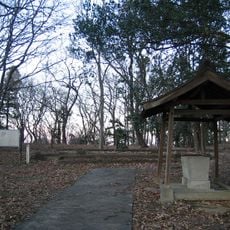
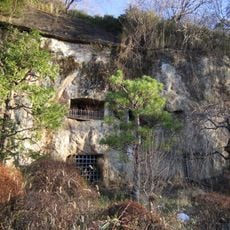
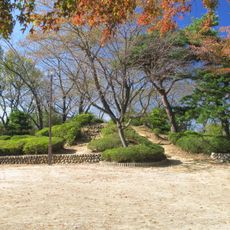
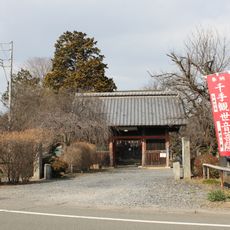
Takasaka Yakata is a 14th-century Japanese castle site in Takasaka, Saitama Prefecture, now occupied by the Buddhist temple Kōsai-ji. No stone walls or gardens remain; the grounds preserve earthen ramparts and dry moats, and the site is a Saitama Prefecture-designated important historic site.
Takasaka Yakata dates to the 14th-century Nanboku-chō period, when the Takasaka clan held it; the clan was defeated in 1368 during the Musashi Heiikki rebellion and moved elsewhere. Excavations at the adjacent Takasaka Nibanchō site found a separate moat with 13th–14th-century finds, suggesting the original residence stood there. In 1562 Hōjō Ujimasa camped at Takasaka during the attack on Matsuyama Castle, and the earthworks and dry moats around the present temple date from that time. The site later became the residence of Kagatsume Masanao, granted 3,000 koku after Tokugawa Ieyasu entered the Kantō.
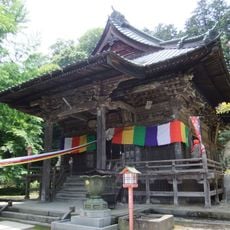
The site is now Kōsai-ji, a Buddhist temple in the Takasaka district of Higashimatsuyama. The name Takasaka comes from the Edo-period post town of Takasaka-shuku on the Musashi road. On the earthen rampart stands a row of three hōkyōintō stone stupas, the graves of the Kagaazume family, lords here from the time of Tokugawa Ieyasu's entry into the Kantō region.
The site is best reached by train, with regular services to nearby stations and good walking connections to the grounds. Wear comfortable shoes as the terrain is hilly and there are multiple paths to explore the fortress layout.
The earthworks and dry moat around the Kōsai-ji temple grounds date from 1562, when Hōjō Ujimasa camped at Takasaka during the attack on Matsuyama Castle. The site is a Saitama Prefecture Selected Important Ruins, and the Kaga-tsume family graves stand on the embankment.
The community of curious travelers
AroundUs brings together thousands of curated places, local tips, and hidden gems, enriched daily by 94,363 contributors worldwide.