Mount Kōra, Sacred mountain in Kurume, Japan
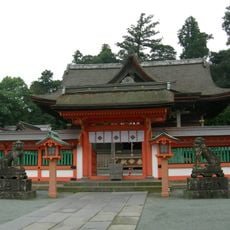
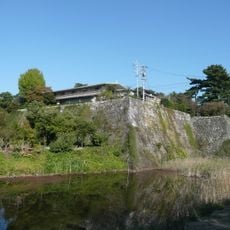
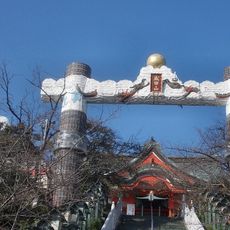
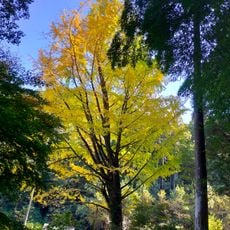
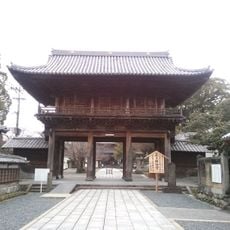
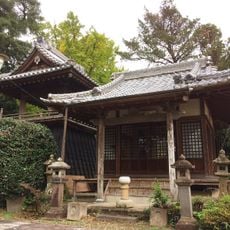
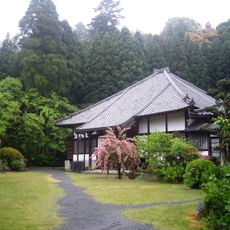
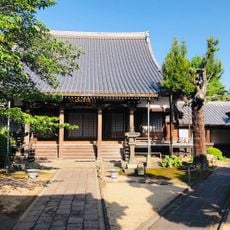
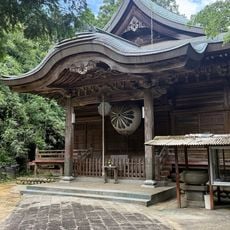
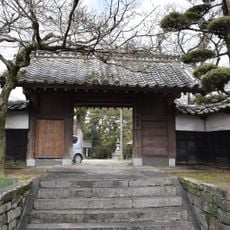
Mount Kōra is a sacred mountain in Kurume with multiple shrine structures distributed across its slopes. Dense forests cover the slopes and winding paths guide visitors through the natural surroundings.
Founded around 673, in the reign of Emperor Tenmu, the mountain sanctuary was rebuilt in 810 when the monk Ryūkei reconstructed the lecture hall and became its de facto founder. In 949 it adopted the Tendai-style zasu system of abbots. In 1585 Toyotomi Hideyoshi confiscated the abbot's lands during the Kyushu campaign; abbot Ryōkan was killed in 1591, ending Kōra-san's independence.
The mountain is also called Takamure-yama, Nurezenu-yama and Kotohiki-yama. The summit holds the Kōra-san Okuin, while the main sanctuary, Kōra Taisha, stands mid-slope; the Gionyama and Rekizan kofun and the site of Kōrakuji lie on the slopes and at the foot. The shrine's great camphor tree is a Fukuoka Prefecture natural monument.
The mountain can be reached on foot via several marked trails that are accessible from different starting points. Visitors should wear sturdy footwear and be prepared for varying conditions depending on the season.
The bamboo grove on the mountain is a national natural monument, but it is a stand of moso bamboo (Phyllostachys edulis), the common timber bamboo, not a rare species. The grove is called Kōra-san no Mosō Kinmeichiku-rin.
The community of curious travelers
AroundUs brings together thousands of curated places, local tips, and hidden gems, enriched daily by 93,547 contributors worldwide.