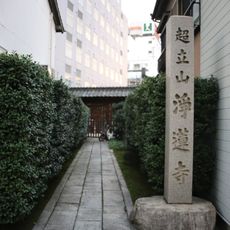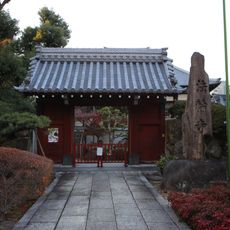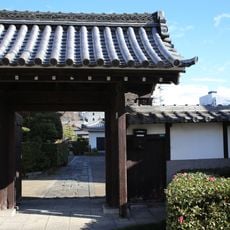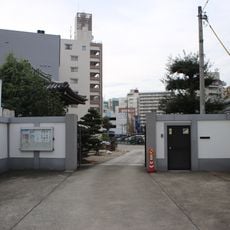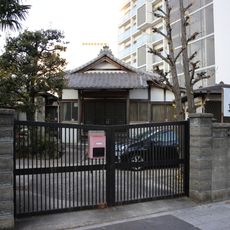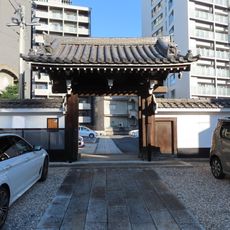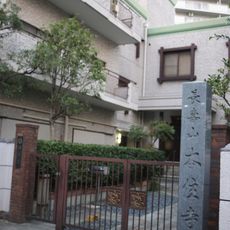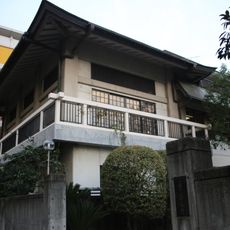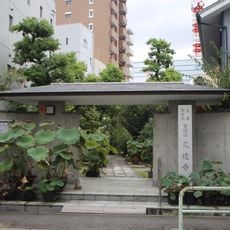
Ganshō-ji, Buddhist temple in Nagoya, Japan
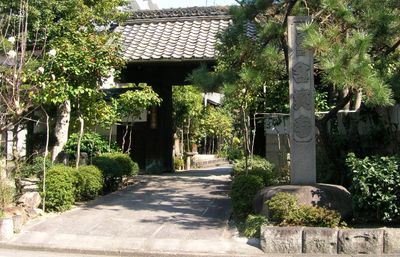
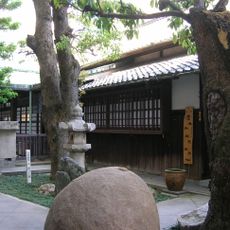
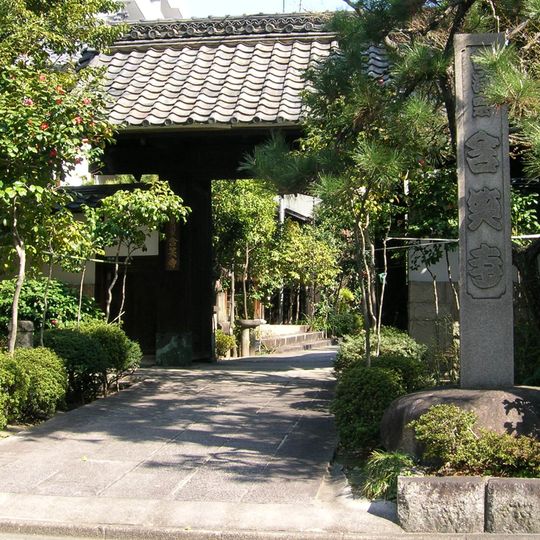
Ganshō-ji is a temple with traditional wooden buildings that house prayer halls, meditation spaces, and ornate bronze statues honoring Buddhist figures. The grounds are centered around a preserved wooden bell tower that holds the status of a designated Cultural Property.
The temple traces its origins to around 1500 and relocated from its original site when Nagoya Castle was constructed during the early Edo period. This move to its present location represents a pivotal moment in the temple's long history.
The temple functions as a working place of Buddhist worship where monks perform daily rituals and ceremonies that structure the spiritual life of the community. Visitors witness how it continues to serve as a meaningful space for honoring ancestors and maintaining living traditions.
The temple grounds welcome visitors who can walk through prayer areas and explore the compound at their own pace. It is best to visit during daytime hours when the temple is most active and monks are present on the property.
The renowned artist Hokusai created a monumental Daruma painting at this location in 1817, an event of historical significance. Promotional materials from this painting session are now preserved in the Nagoya City Museum.
The community of curious travelers
AroundUs brings together thousands of curated places, local tips, and hidden gems, enriched daily by 92,310 contributors worldwide.