Handa Inari-jinja, Shinto shrine in Japan
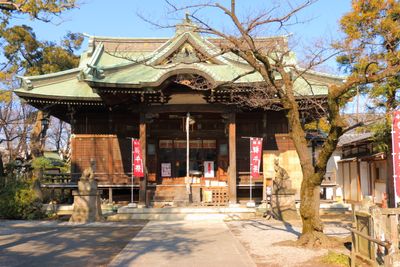
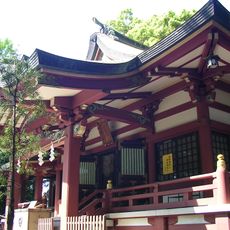
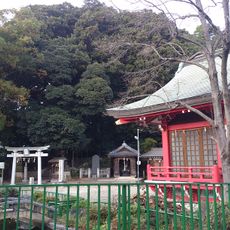
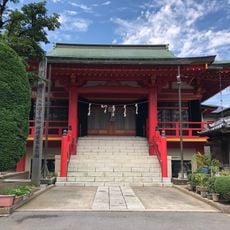
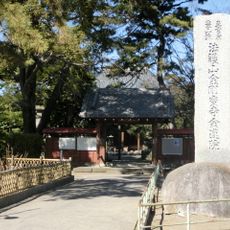
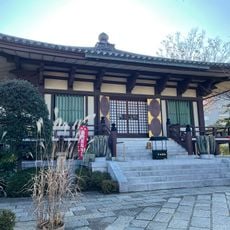
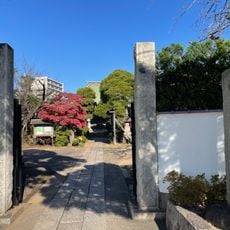
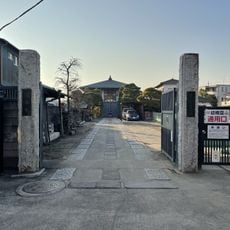
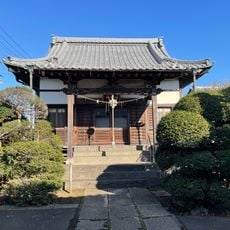
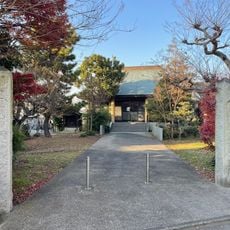
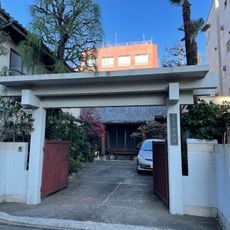
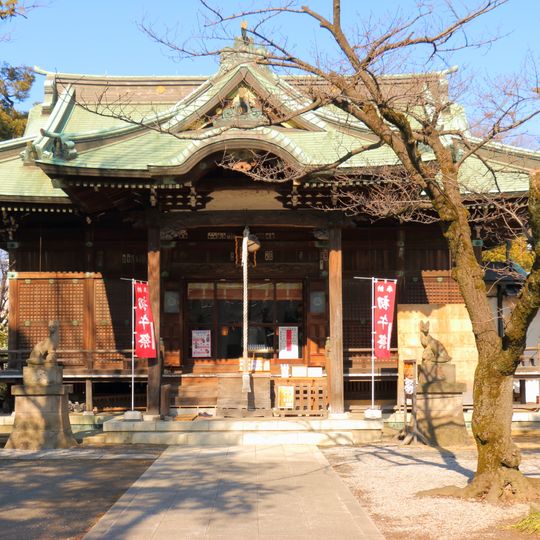
Handa Inari-jinja is a Shinto shrine in Higashi-Kanamachi with a simple wooden main hall, a long stone pathway lined with small trees, and several smaller shrine buildings. The grounds feature stone fox statues placed around the site, a sacred spring called Shinsen, and a building called the Kagura-den where traditional music and dance rituals are performed.
Handa Inari-jinja dates to before the Heian period, more than a thousand years ago, originally built to pray for victory in battle and protection from illnesses like smallpox and measles. During the Edo period, the shrine became especially popular and was associated with stories of healing and safe childbirth that were spread through performances by wandering monks called Gannin Bozu.
The name Handa comes from the rice fields that once surrounded this area. Visitors write wishes on paper strips and leave them at the shrine, a custom that has continued for hundreds of years as a way to communicate hopes for health and safe journeys.
The shrine is within walking distance of nearby train stations and has no entrance fee, though visitors can request a personalized stamp called a Goshuin for a small donation. Most visitors arrive in the morning or early afternoon to spend quiet time praying and exploring the peaceful grounds.
A special feature is the Gannin Bozu, a wandering monk from the Edo period who dressed in red and performed tricks and songs to attract attention and spread the shrine's power to heal. His performances became so popular that they were depicted in traditional theater plays and woodblock prints, significantly boosting the shrine's following.
The community of curious travelers
AroundUs brings together thousands of curated places, local tips, and hidden gems, enriched daily by 91,752 contributors worldwide.