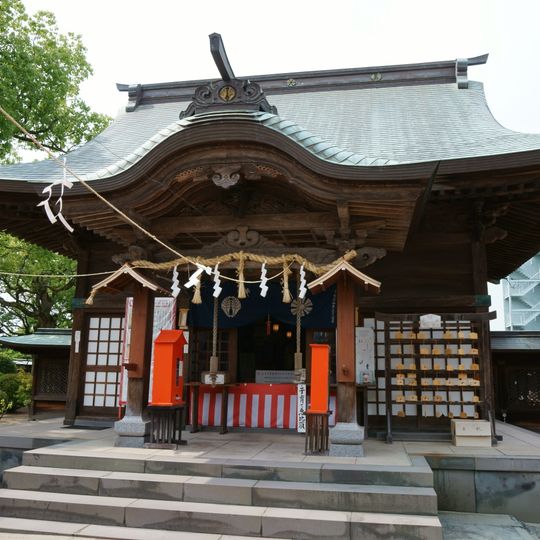
Ryūzōji-hachinamgū, Shinto shrine in Japan
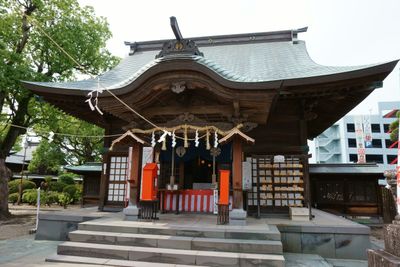
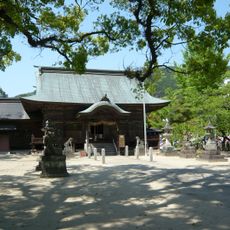
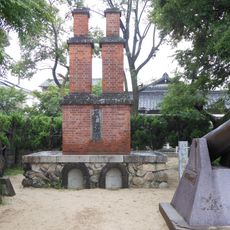
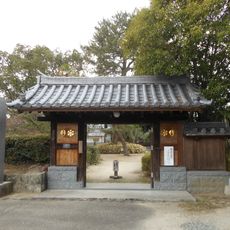
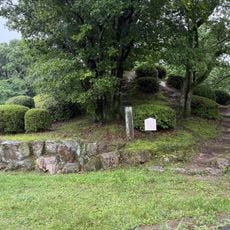
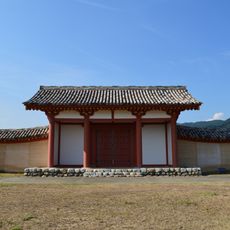
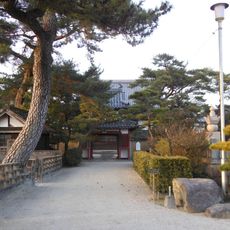
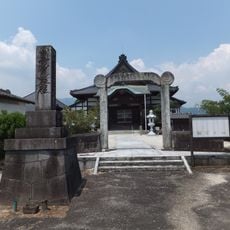
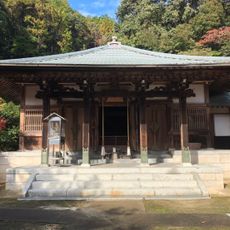
Ryūzōji-hachinamgū is a small Shinto shrine in Saga featuring simple wooden architecture, traditional torii gates, and peaceful gardens with stone lanterns. The main hall and surrounding structures display careful craftsmanship with curved roofs and traditionally painted wooden beams in brown and red tones.
The shrine was founded in 724 following an oracle from the deity Hachiman, establishing its deep historical connection to the region. It was destroyed and rebuilt multiple times during conflicts, notably in 1534, reflecting how valued it remained for the community.
The shrine is dedicated to Hachiman, a deity honored here for centuries in the local tradition. Visitors observe local people performing rituals like leaving coins, lighting incense, and drawing fortune sticks as part of their daily spiritual practice.
The shrine is easy to reach by taking local buses or walking from nearby areas. It is best to visit in the early morning or late afternoon when it is calm and peaceful, with free entry for all visitors.
The shrine hosts the annual Okayu-san festival on March 15, where local people boil rice porridge and observe where mold appears to predict which nearby province would have the best harvest. This unusual ritual shows how closely the shrine remains tied to local farming and seasonal hopes.
The community of curious travelers
AroundUs brings together thousands of curated places, local tips, and hidden gems, enriched daily by 91,336 contributors worldwide.