淡海國玉神社, Shinto shrine in Japan
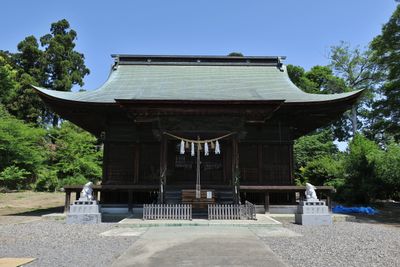
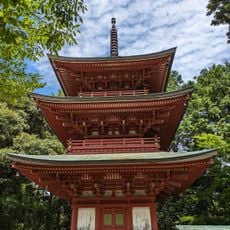
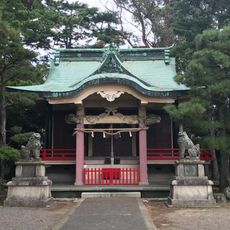
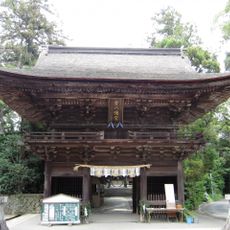
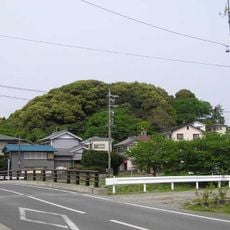
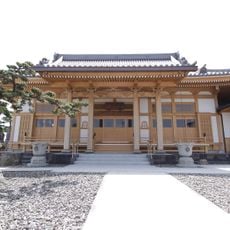
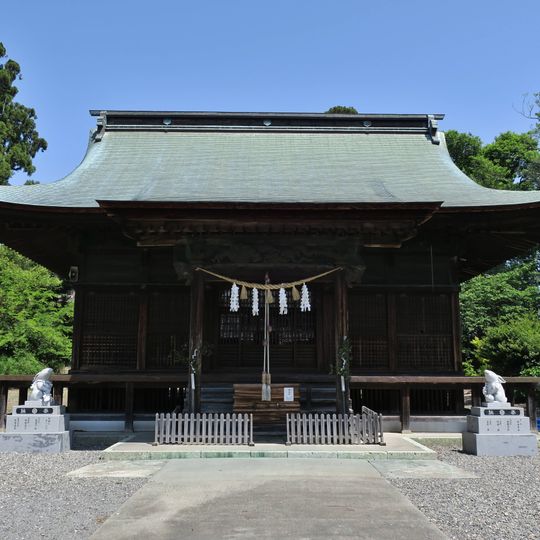
Awami Kunidama Shrine is a small Shinto shrine in nagare-zukuri style, located in Iwata and surrounded by greenery. The wooden buildings feature a gently curved roof that extends over the entrance, with well-maintained grounds and stone pathways leading visitors to the main hall.
The shrine was constructed in the mid-1600s during the Edo period and served as a major religious center, known as a 'soja', controlling local spiritual activities. Its inclusion in the ancient Engi-shiki registry confirms its significance as an important shrine throughout history.
The shrine serves as a spiritual gathering place where visitors perform traditional rituals and leave offerings to connect with local deities and nature spirits. These customs remain central to how people experience and use the space today, maintaining a living link to generations of local practice.
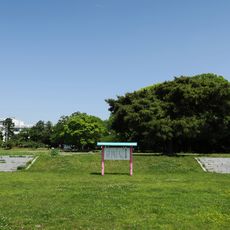
The best time to visit is early morning or on quiet weekdays when the atmosphere feels most serene and reflective. The grounds are easy to navigate with simple benches and informational signs available for visitors seeking places to pause and observe.
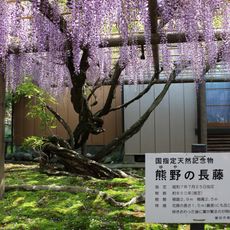
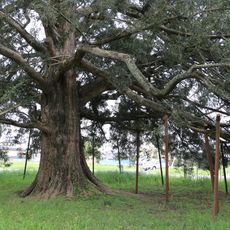
An ancient yamamomo tree on the grounds is protected as a natural monument and is said to have witnessed many generations of families coming to pray and celebrate. Visitors often pause to admire its long branches and the shade it offers, embodying the site's long history.
The community of curious travelers
AroundUs brings together thousands of curated places, local tips, and hidden gems, enriched daily by 92,375 contributors worldwide.