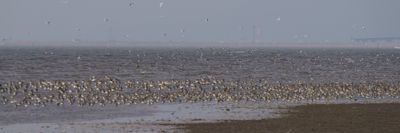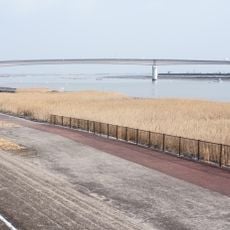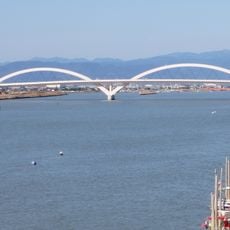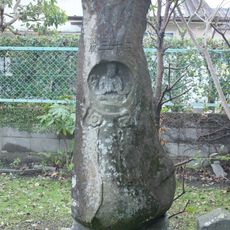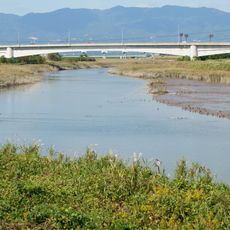
Higashiyoka-higata, Ramsar wildlife refuge and mudflat in Saga, Japan.
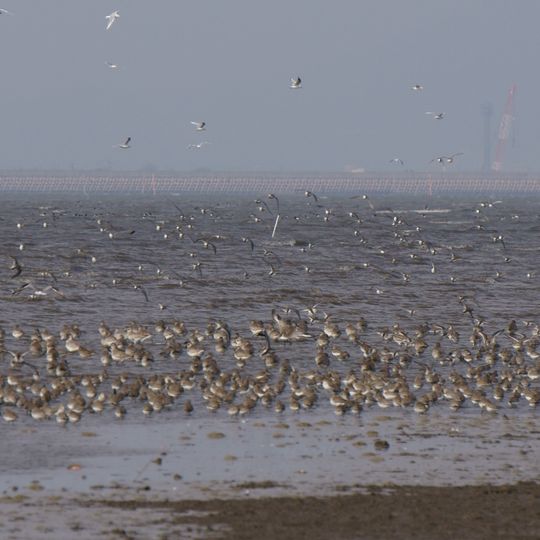
Higashiyoka-higata is a mudflat spread across 218 hectares where the Honshoe and Hattae rivers meet Ariake Bay on its northern shore. The area features exposed mud and sand that shift with the tides, creating feeding grounds for numerous shorebird and waterbird species.
The site received official designation as a Ramsar wetland in May 2015, gaining international recognition for waterbird conservation. This classification placed it within a global network of protected wetlands considered essential for bird protection.
This natural area functions as a gathering place where locals and researchers observe how waterbird populations move with the seasons. It has become important to the community as a living classroom for understanding the connections between this coastal region and distant bird breeding grounds.
Visitors can access designated viewing areas to observe thousands of migratory shorebirds that arrive between autumn and spring. Timing your visit during these cooler months will reward you with the greatest concentration of bird activity.
This mudflat supports several endangered bird species, including the rare spoon-billed sandpiper, black-faced spoonbill, and far eastern curlew. What makes this location special is that it serves as a critical stopover point for these vulnerable species during their long journeys between breeding and wintering grounds.
The community of curious travelers
AroundUs brings together thousands of curated places, local tips, and hidden gems, enriched daily by 91,345 contributors worldwide.