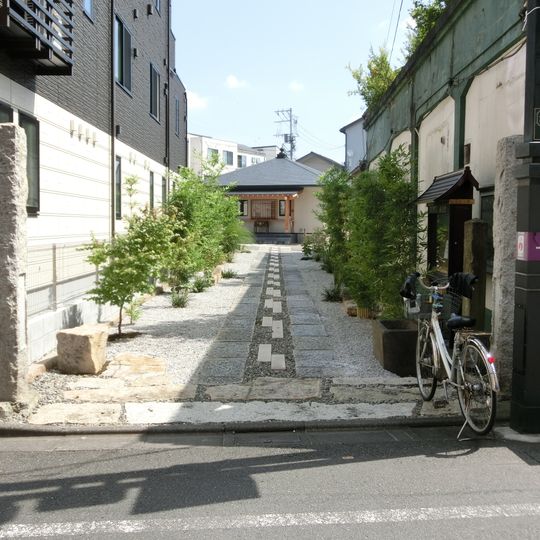
Henjō-ji, Buddhist temple of Koyasan Shingon sect in Nakajuku, Japan
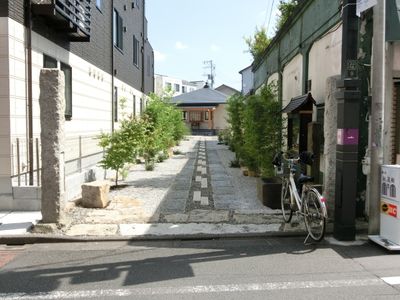
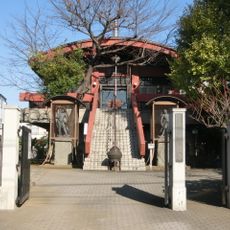
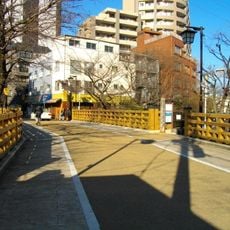
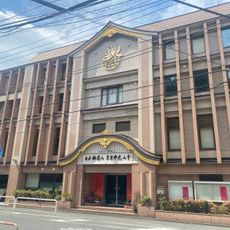
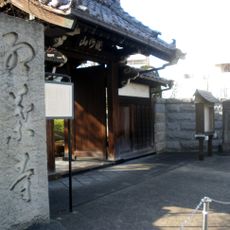
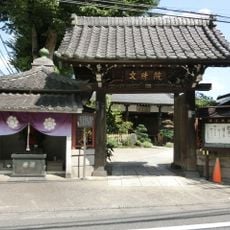
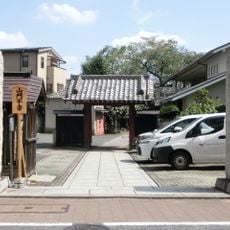
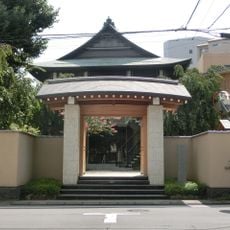
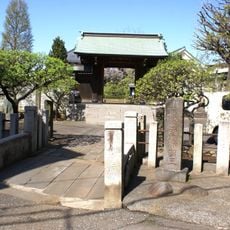
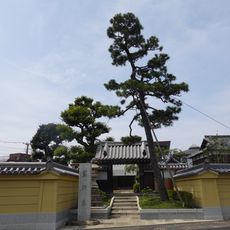
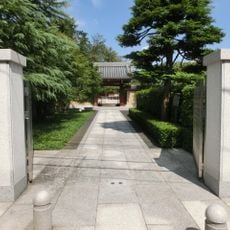
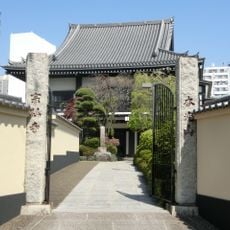
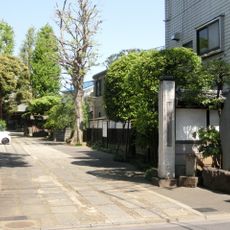
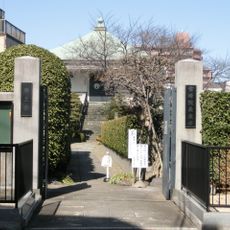
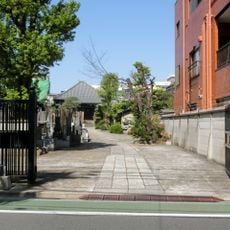
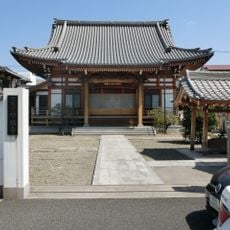
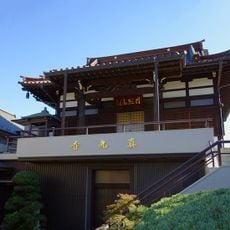
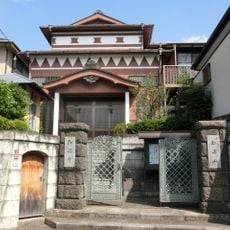
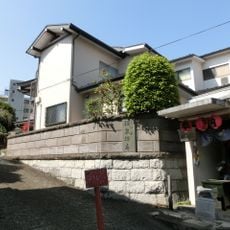
Henjō-ji is a Buddhist temple of the Koyasan Shingon sect located in Nakajuku with traditional Japanese architecture and mature plum trees throughout its grounds. The structure sits on a historic travel route and displays characteristic features of temple design from its founding period.
The temple was founded in 1570 and received a visit from Tokugawa Ieyasu, founder of the Tokugawa shogunate, during his travels through the region. This encounter marked the temple as an important stopping point in local history.
The temple serves as an active center for Shingon Buddhist practice and worship. Visitors can observe daily rituals and ceremonies that connect to a living tradition passing through generations.
The temple grounds are open year-round and provide quiet paths for exploring the buildings and gardens at a relaxed pace. Visitors should wear comfortable shoes as walkways include uneven steps and surfaces, and early spring is the best time to see the plum blossoms in full bloom.
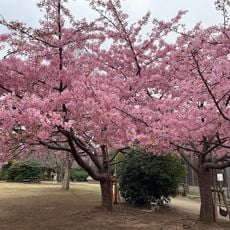
The plum trees on the grounds are remarkably old specimens with distinctive reddish-pink blossoms that create a strong visual contrast against the dark wooden structures of the temple. Some of these trees are considered local landmarks and stand out as living monuments in their own right.
The community of curious travelers
AroundUs brings together thousands of curated places, local tips, and hidden gems, enriched daily by 92,526 contributors worldwide.