Enjō-ji, Buddhist temple in Kyōtango, Japan
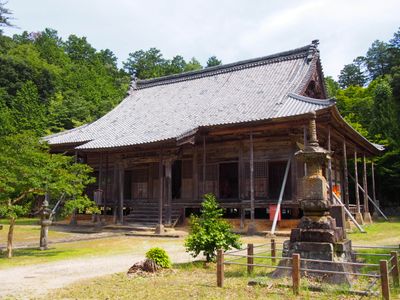
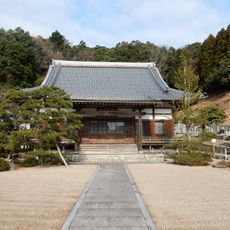
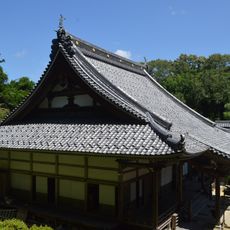
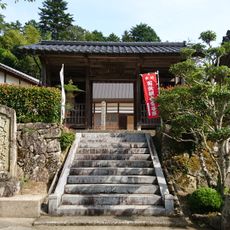
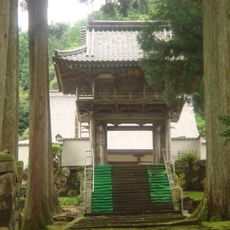
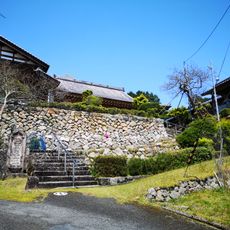
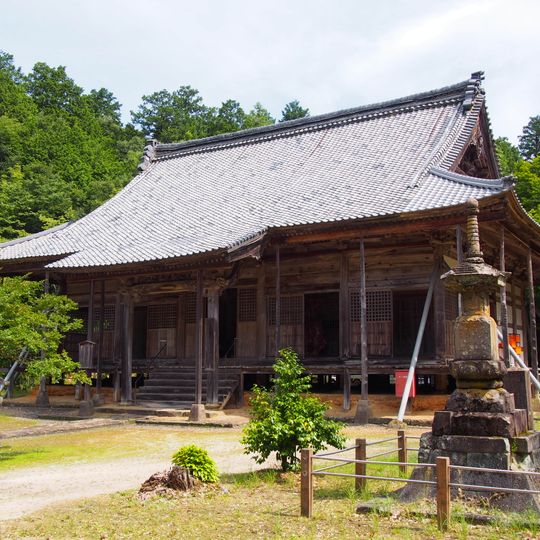
Enjō-ji is a Buddhist temple in Kyōtango with multiple traditional wooden buildings and two shrines called Kasuga-do and Hakusan-do situated across its grounds. The complex includes a classical Japanese garden featuring a central pond that gives the space a calm, organized layout.
The two main shrines at this site were built in 1228 and display architectural elements from both the Heian and Muromachi periods. This combination of styles reflects how the temple absorbed different architectural approaches across Japanese history.
The temple remains an active spiritual place where visitors encounter Buddhist rituals and religious practices that continue to shape daily life at the site. The layout and structures reflect how faith and local customs were woven together across centuries.
The grounds are open for exploration year-round, allowing visitors to wander through the various areas at their own pace. Taking time to walk the site helps you notice the details of the wooden structures and how the garden flows around them.
The complex features a special pagoda style called Tahoto that embodies classical Japanese Buddhist architectural principles. This particular style is rarely seen in this region, making it a notable detail for those interested in temple design.
The community of curious travelers
AroundUs brings together thousands of curated places, local tips, and hidden gems, enriched daily by 91,531 contributors worldwide.