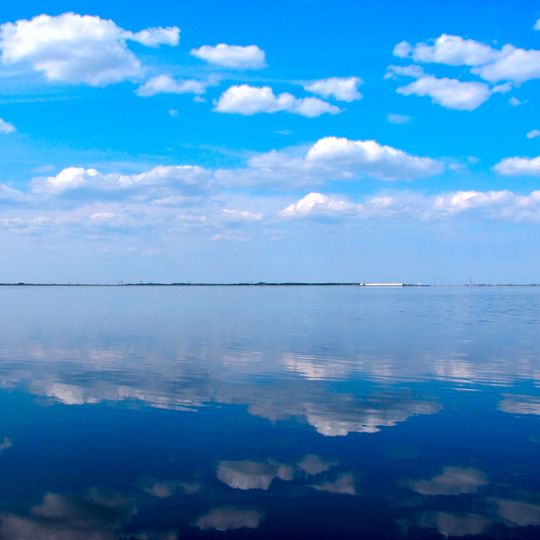
Riga Reservoir, Reservoir in Latvia
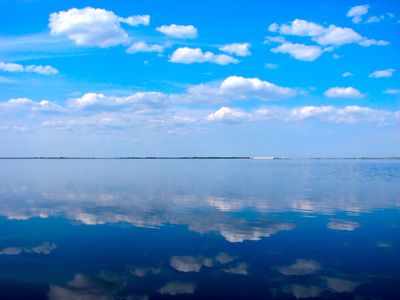
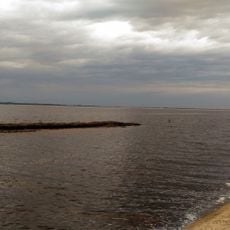
The Riga Reservoir is a large water body on the Daugava River in Latvia created in 1970 when a dam was built to control water flow and collect it for use. A nearby power station operates six turbines to generate electricity for the city, while the water also serves drinking and industrial needs for the local population.
The reservoir was created in 1970 to meet Riga's growing energy needs and became central to the region's power supply from the Daugava River. Scientific observations began in 1976 to track ecological changes in the water body, providing decades of data on how human-made systems respond to natural processes.
The reservoir represents a blend of industrial purpose and natural space where locals and visitors walk and cycle along its edges. This water body has become woven into the daily rhythm of the region, serving both practical needs and recreational use.
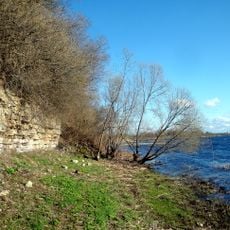
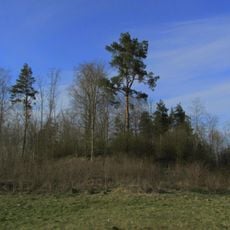
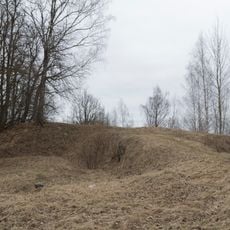
The dam stretches about 15 kilometers and is a favorite route for walking and cycling with clear views of the water and surrounding forests. The area is easily accessible from the main roads, though the ground near the water can be wet and muddy depending on the season and recent rainfall.
The population of creatures living in the water has shifted over decades from river snails to small worms, reflecting how the ecosystem has transformed since the dam was built. This long-term research site offers a rare window into how artificial reservoirs evolve and change over time.
The community of curious travelers
AroundUs brings together thousands of curated places, local tips, and hidden gems, enriched daily by 60,000 contributors worldwide.