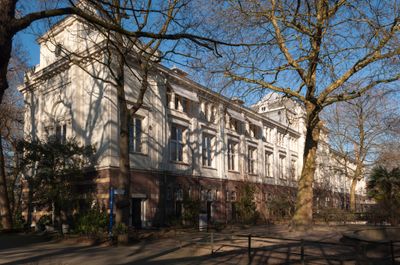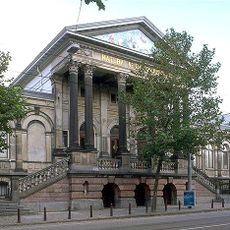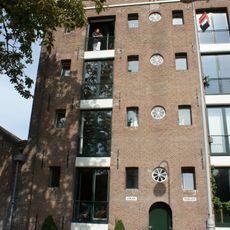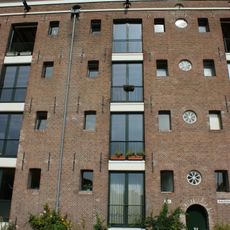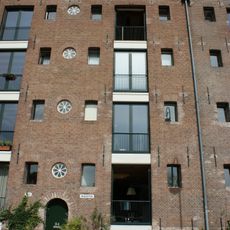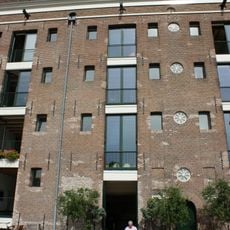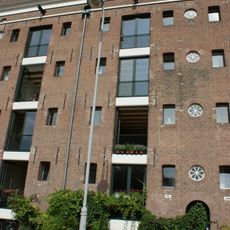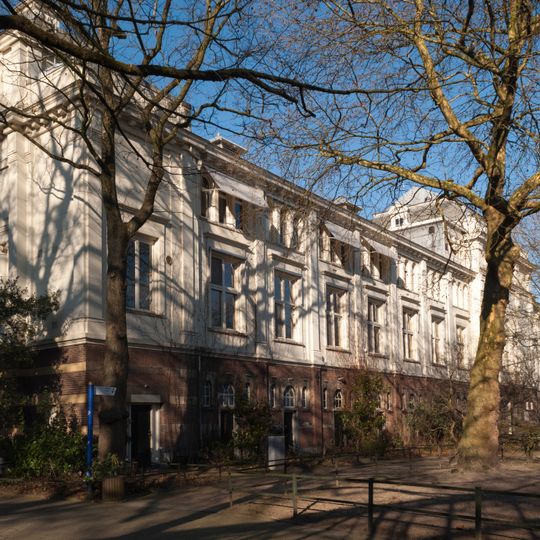
Ethnographic Museum Artis, Ethnographic collection in Amsterdam, Netherlands.
The Ethnographic Museum Artis was located in Amsterdam and displayed objects from research expeditions in Dutch New Guinea along with artifacts from China, Korea, Japan, Africa, and Oceania. The collection held many items from different world regions before its transfer to the Tropenmuseum in 1926.
The museum was founded in 1838 by the Royal Zoological Society Natura Artis Magistra and initially combined live animals, zoological materials, minerals, and ethnographic objects. During its existence, it grew into an important collecting institution before its ethnographic collection was transferred to the Tropenmuseum in 1926.
The museum displayed contributions from linguist Herman Neubronner van der Tuuk, whose research and collections formed a significant portion of the holdings. These objects reflected the connection between scientific inquiry and the documentation of cultures encountered during European expeditions.
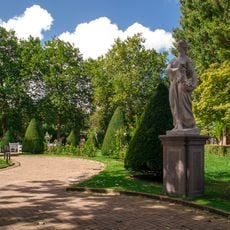
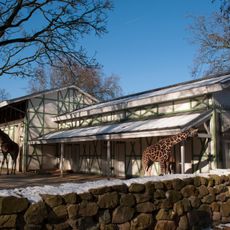
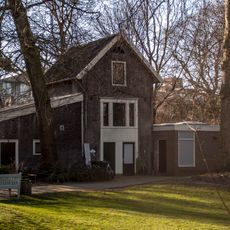
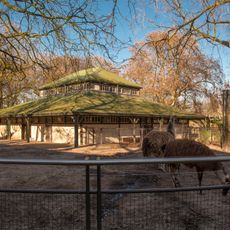
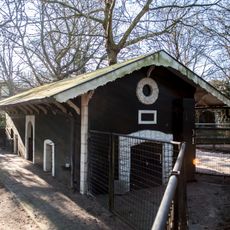
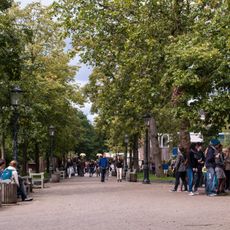
The museum was located within the Artis zoo complex in Amsterdam and formed part of a larger facility that combined different types of collections under one roof. Visitors could explore the ethnographic objects alongside other scientific materials and living animals before the collection was moved.
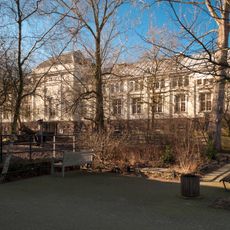
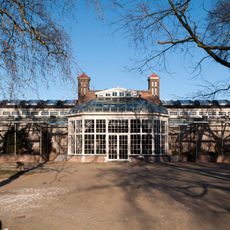
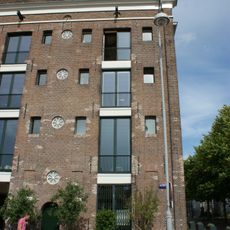
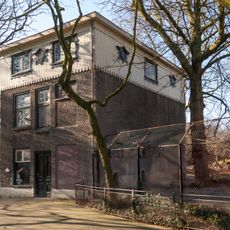
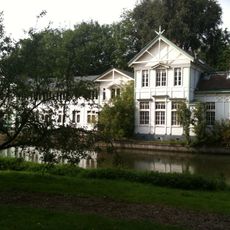
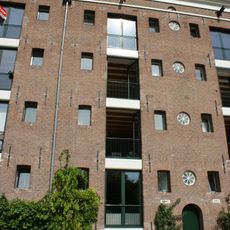
The museum occupied different buildings, including the Great Museum and Little Museum, before moving to the Volharding building for its 50th anniversary in 1888. This relocation marked a turning point in the institution's history and demonstrated its growth as a major collecting facility.
The community of curious travelers
AroundUs brings together thousands of curated places, local tips, and hidden gems, enriched daily by 91,485 contributors worldwide.