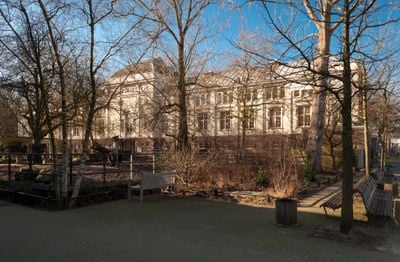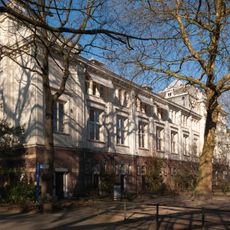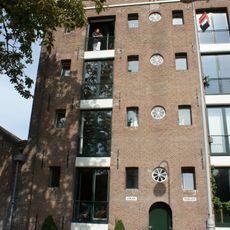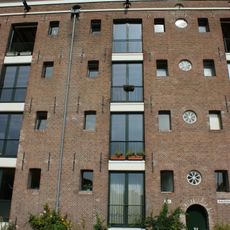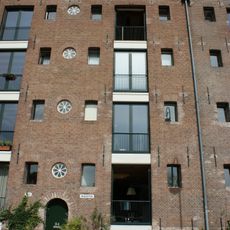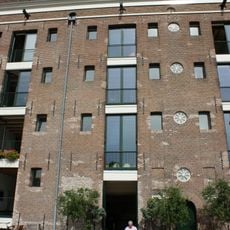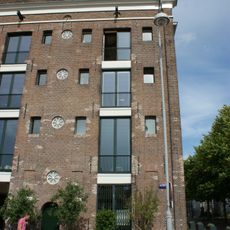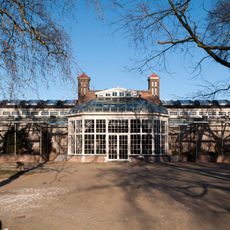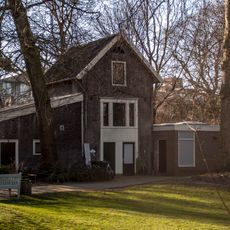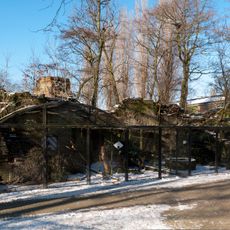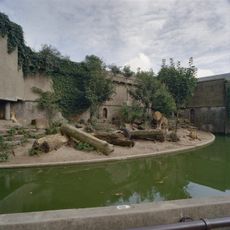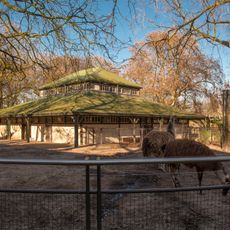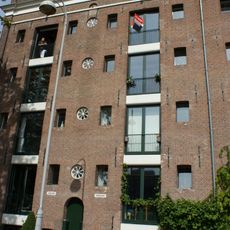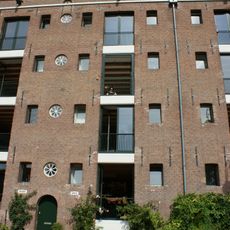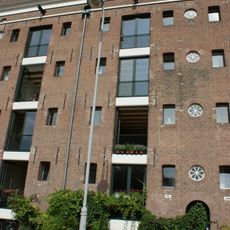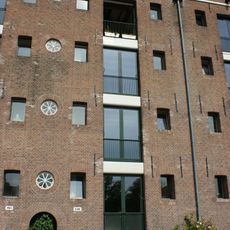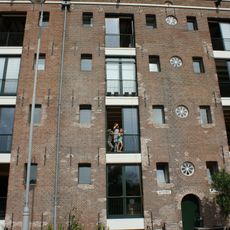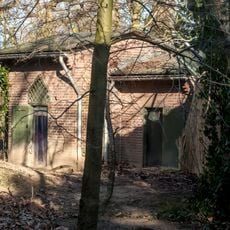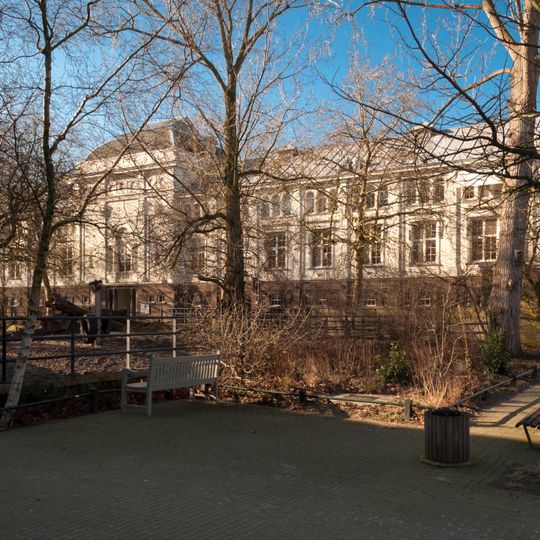
Building of the former Etnographic museum, Museum building in Artis district, Amsterdam, Netherlands
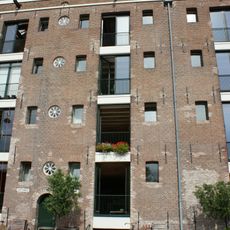
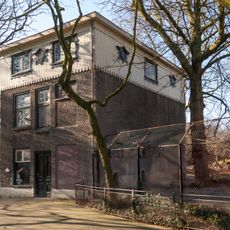
The building of the former Ethnographic Museum is a museum structure in Amsterdam's Artis district designed by Dolf van Gendt in 1886 with eclectic architectural elements. It features decorated details reflecting early twentieth-century design principles and stands near both Oosterpark and Artis Zoo.
The structure was designed by Dolf van Gendt in 1886 and opened as a museum in 1926 under the patronage of Queen Wilhelmina to display Dutch colonial collections. The opening represented a national effort to showcase and document the diverse cultures connected to former Dutch colonial territories.
The building once housed extensive collections from Japan, Indonesia, Africa, and Latin America that introduced visitors to the material cultures of these regions. The displays included decorative arts and everyday objects that reflected the craftsmanship and creativity of distant societies.
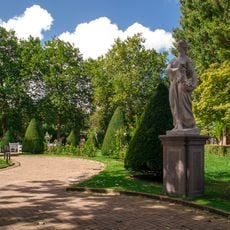
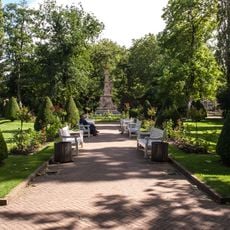
The building sits near Oosterpark and Artis Zoo, with tram stops at Linnaeusstraat and Alexanderplein providing convenient transit access. The location makes it straightforward to combine a visit with walks through nearby green spaces or a trip to the adjacent zoo.
The building holds Rijksmonument status and preserves one of Amsterdam's largest ethnographic archives with around 340,000 objects and photographs. This vast collection documents cultures from multiple continents and makes it an important resource for researchers and those interested in global cultural heritage.
The community of curious travelers
AroundUs brings together thousands of curated places, local tips, and hidden gems, enriched daily by 92,412 contributors worldwide.