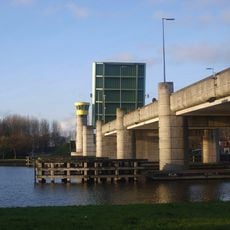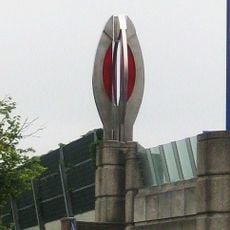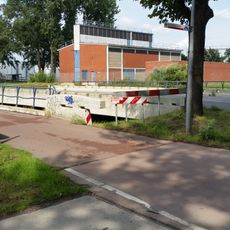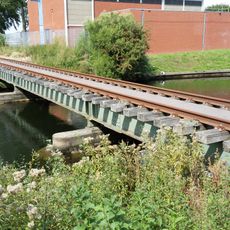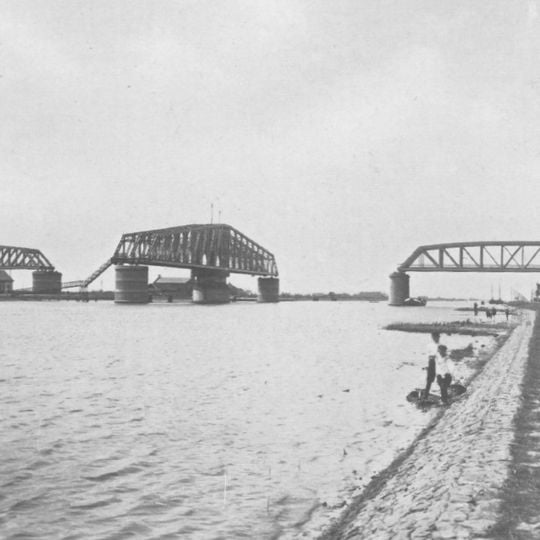
Hembrug, Railway swing bridge in Westpoort, Netherlands
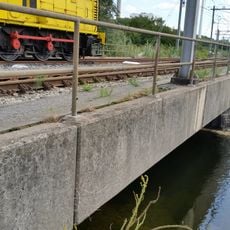
The Hembrug is a railway swing bridge with a steel truss design that crosses the North Sea Canal and connects Amsterdam to Zaandam. At 64 meters in span, it was an important rail junction for moving goods and workers through the industrial district.
The bridge was originally built in 1878 and then completely rebuilt between 1903 and 1907 to handle increasing rail traffic. Operations ended in 1983 after the opening of the Hemtunnel, which provided an alternative route for trains.
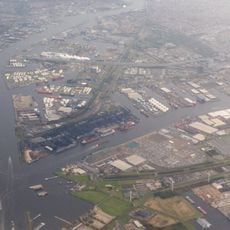
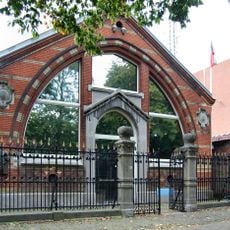
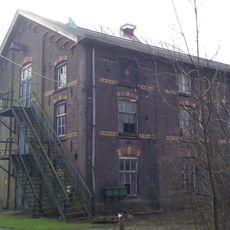
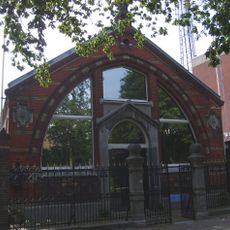
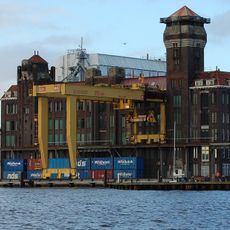
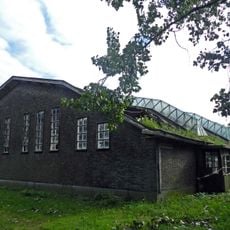
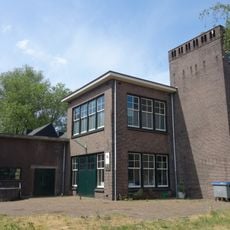
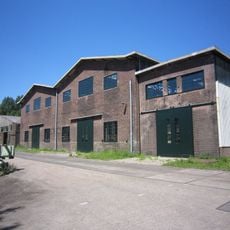
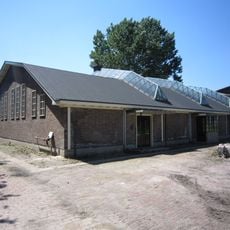
The area around the bridge developed as an industrial hub, particularly known for ammunition production that shaped the working-class character of the neighborhood. This industrial past remains visible in the buildings and layout of the district.
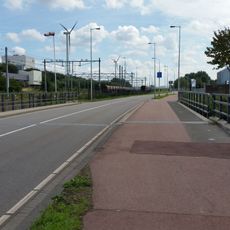
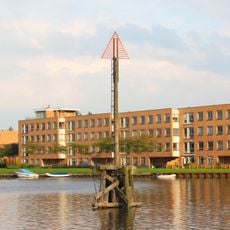
The bridge can be reached on foot from the surrounding neighborhood and offers a clear view across the canal and over the industrial area. The location is well connected by public transport and sits within walking distance of other historic industrial buildings.
Dutch resistance fighters conducted underwater operations during World War II to remove German explosives from the central pier of the bridge. This secret mission was part of the struggle against occupation and left an almost invisible mark on the structure's history.
The community of curious travelers
AroundUs brings together thousands of curated places, local tips, and hidden gems, enriched daily by 90,902 contributors worldwide.