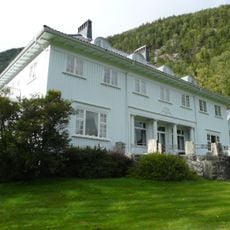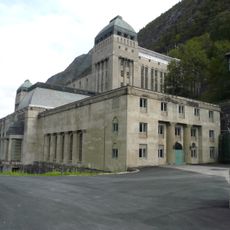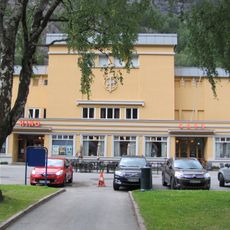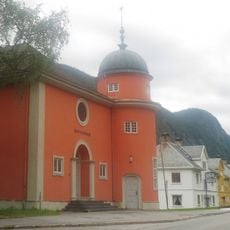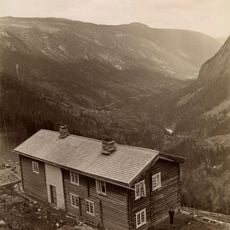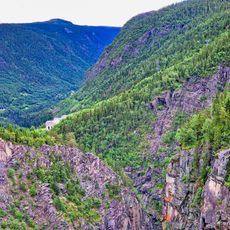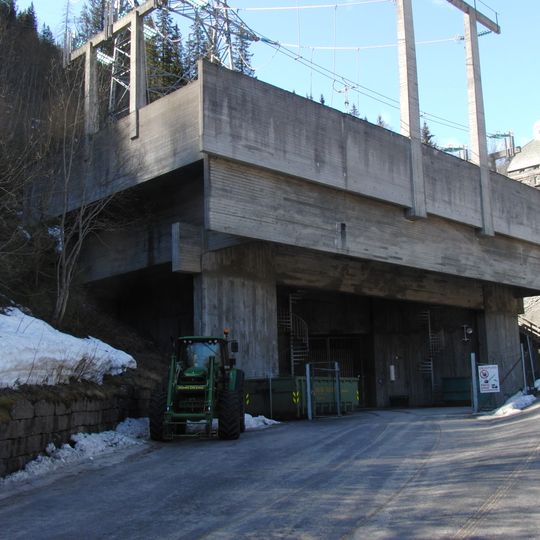
Vemork, Heritage site and hydroelectric power station in Tinn Municipality, Norway.
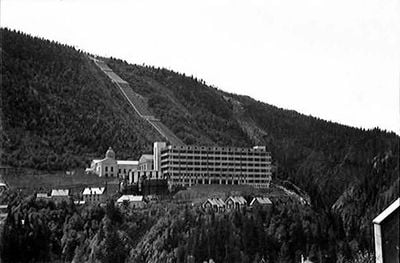
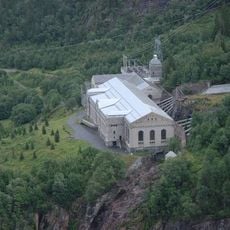
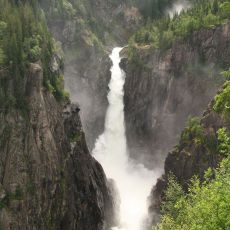
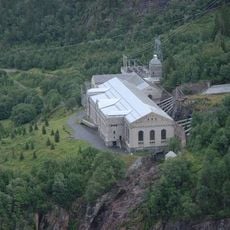
Vemork is an industrial complex with a hydroelectric power station in Tinn, Norway, built next to one of the highest waterfalls in the country in a narrow gorge. The plant harnesses the falling water of Rjukanfossen, which plunges down a steep rock wall and releases a tremendous natural force.
The station began operating in 1911 and initially served ammonia production for fertiliser before becoming the scene of a sabotage operation during World War II. Norwegian resistance fighters destroyed the heavy water facilities in 1943 to prevent Germany from using the substance for atomic research.
The site takes its name from the bay called Vemork below the waterfall, where cold meltwater from the mountains gathers. Today the old production halls house a museum where visitors can see how workers produced ammonia and fertiliser under harsh conditions at freezing temperatures.
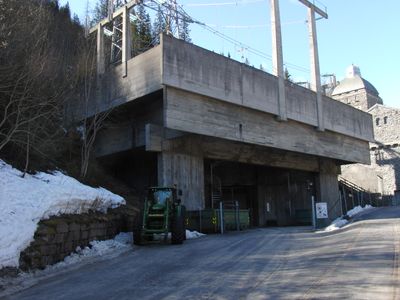
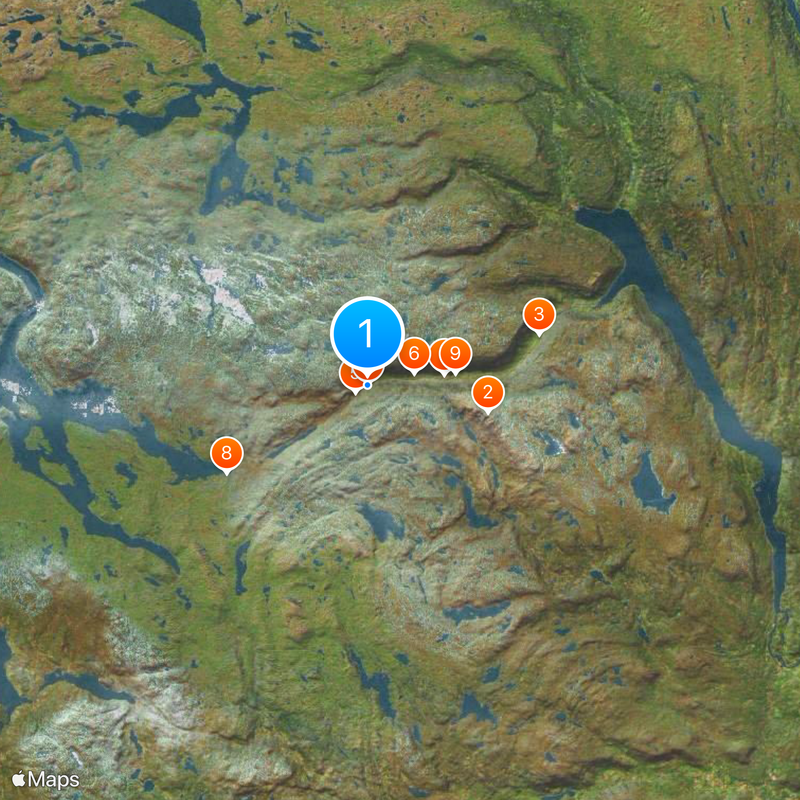
Access is via Route 37 west of Rjukan, where the narrow approach road along the gorge requires some caution when driving. The interior spaces are connected by stairs, which may make the visit challenging for people with limited mobility.
The saboteurs climbed down the steep rock face at night to enter the facility undetected and blow up the electrolysis cells. Their mission later inspired several films and documentaries about the fight against German atomic weapons research.
The community of curious travelers
AroundUs brings together thousands of curated places, local tips, and hidden gems, enriched daily by 91,553 contributors worldwide.