Rjukan–Notodden Industrial Heritage Site, Industrial heritage complex in Telemark, Norway.
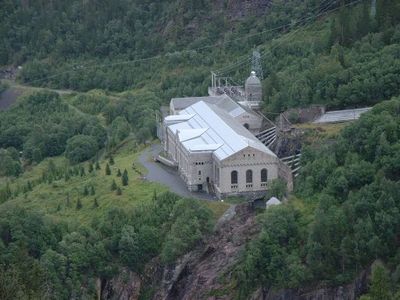
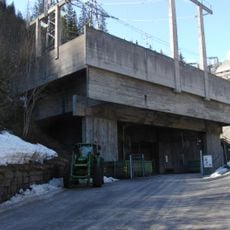
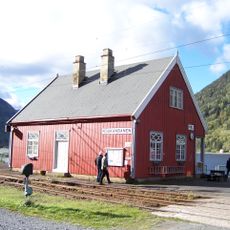
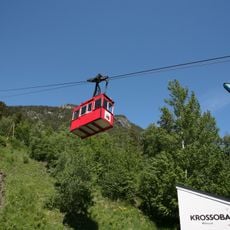
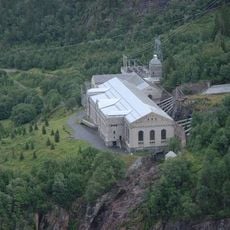
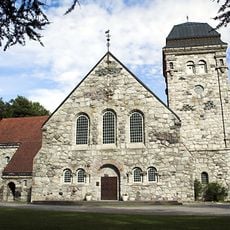
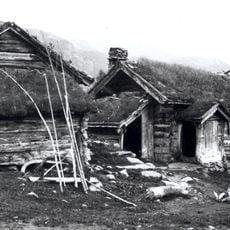
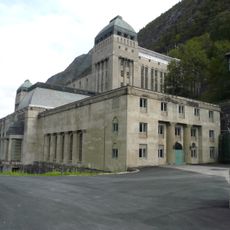
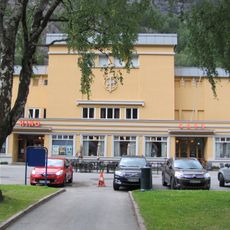
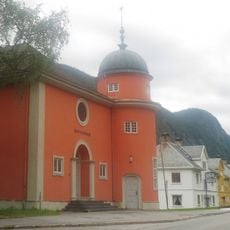
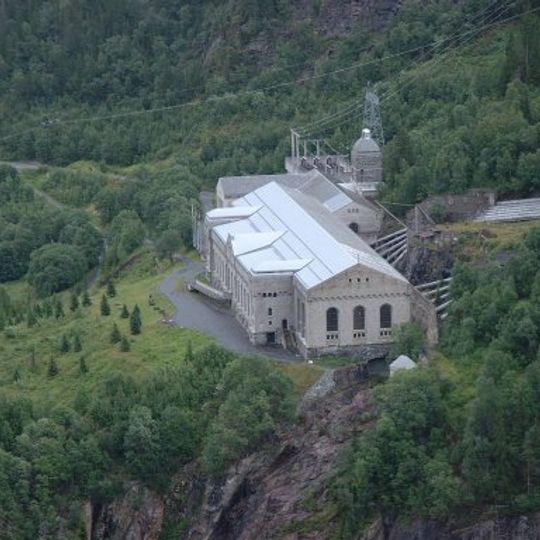
The Rjukan-Notodden heritage site comprises roughly 97 structures including hydroelectric plants, factories, railways, transmission towers, and residential blocks spread across two municipalities. The buildings remain arranged as they were during operations, showing how production facilities, power generation, and worker housing formed an integrated system.
In 1905, the first industrial-scale nitrogen production plant began operating in Notodden, using electric arc furnaces to synthesize fertilizer from air. This breakthrough depended on Norway's abundant hydroelectric power to generate the enormous electricity required for the process.
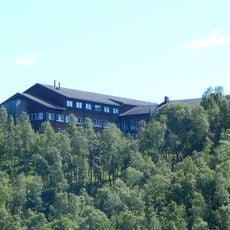
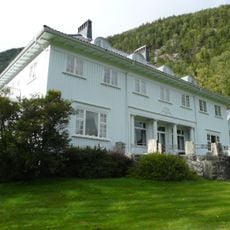
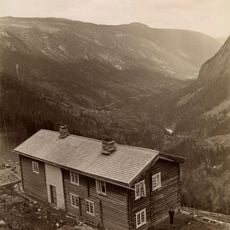
Worker housing built specifically for factory staff reveals how communities formed around industrial production, with homes designed to keep families close to employment. The visible layout shows how daily life centered entirely on the operations and schedules of the plants.
The site is well-connected by walking paths and guided tours led by the Norwegian Industrial Workers Museum are available to explore the structures. Wear comfortable shoes since the buildings are spread out and visitors navigate on foot to see the different parts.
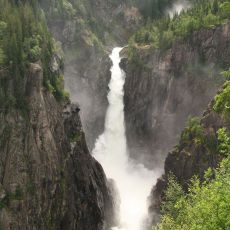
The Birkeland-Eyde process used at this site was one of the first methods to extract nitrogen directly from air for fertilizer, transforming agriculture worldwide. The technique consumed vast amounts of electricity, which made Norway's water power a crucial competitive advantage for this emerging industry.
The community of curious travelers
AroundUs brings together thousands of curated places, local tips, and hidden gems, enriched daily by 91,789 contributors worldwide.