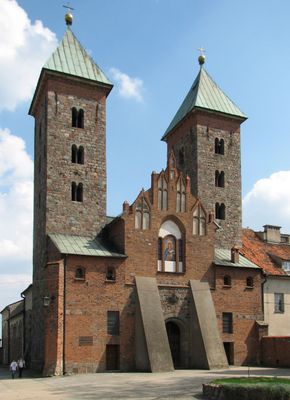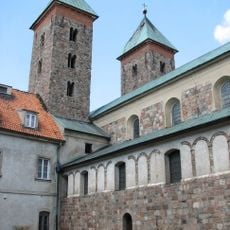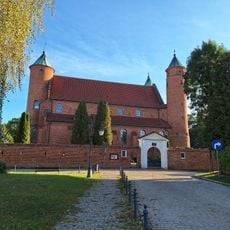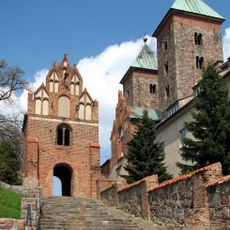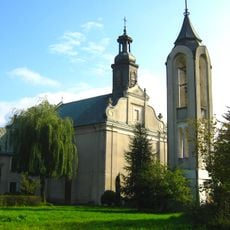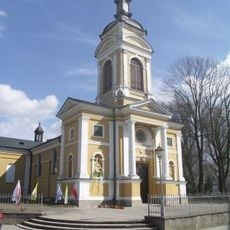
Klasztor kanoników regularnych w Czerwińsku nad Wisłą, Romanesque monastery in Czerwińsk nad Wisłą, Poland
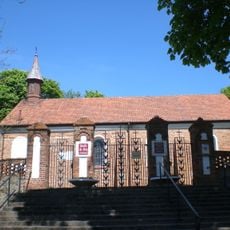
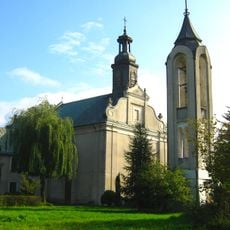
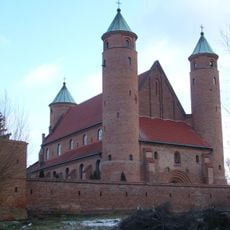
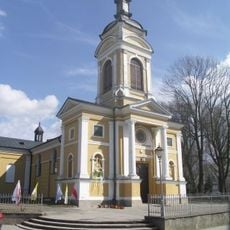
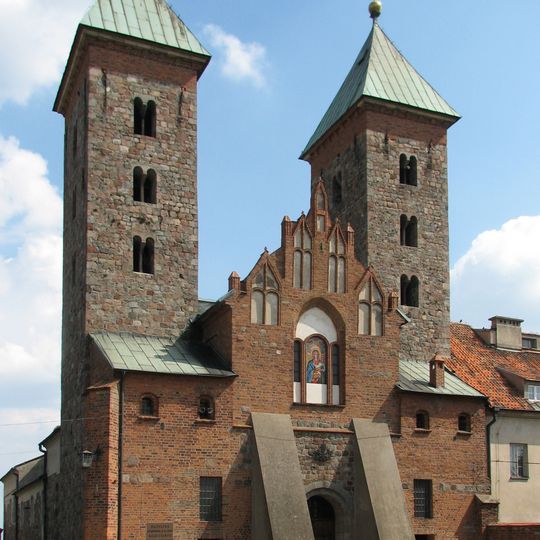
The monastery is a stone church with two towers built in the early 12th century, blending Romanesque, Gothic, and Baroque styles throughout its structure. A medieval portal from 1140 still stands and marks the oldest architectural layer of the complex.
The monastery was founded during the early Romanesque period and evolved over centuries as building styles changed. A Polish king came here to pray before the Battle of Grunwald in 1410 and left his helmet as a sign of gratitude.
The southern chapel holds the largest collection of Romanesque frescoes in Poland, painted in the early 13th century by artists whose names were never recorded. These wall paintings still show religious scenes that visitors can see today.
The monastery holds regular Mass services and offers guided tours through the architectural complex to see its different spaces. Visitors should expect uneven floors in older parts of the building and dress respectfully as this is an active religious site.
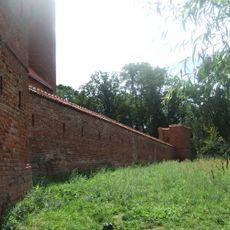
This monastery was one of the first to use brick instead of stone in Polish Romanesque architecture and set a new building standard. This construction technique was later copied by many other religious buildings across the region.
The community of curious travelers
AroundUs brings together thousands of curated places, local tips, and hidden gems, enriched daily by 91,800 contributors worldwide.