Mohos Peat Bog, Nature reserve in Harghita County, Romania.
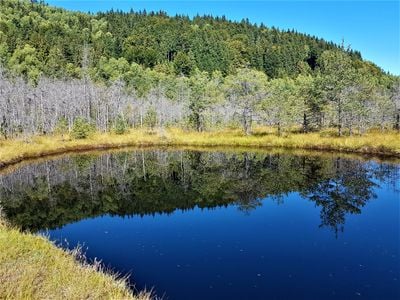
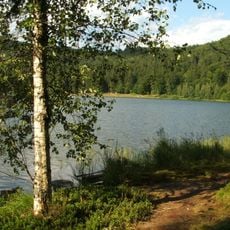
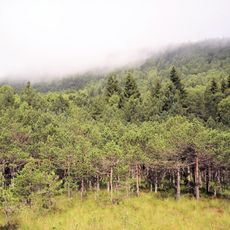
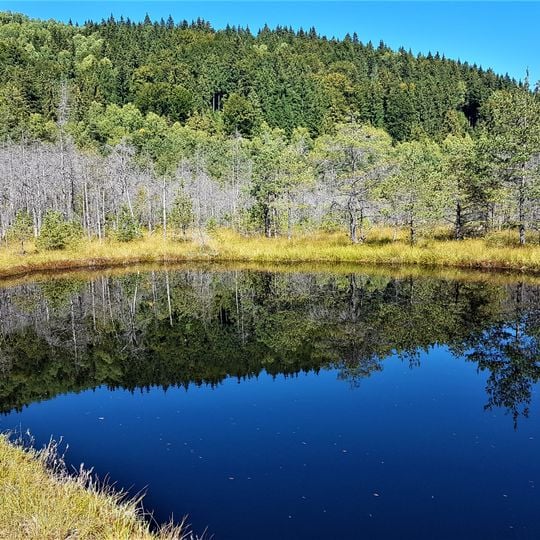
Mohos Peat Bog is a protected floristic and faunistic reserve in a crater of the Ciomatu Massif, at 1050 m altitude, just southwest of Lăzărești and near Lake Sfânta Ana. Its 80-hectare oligotrophic bog lies within a 240-hectare protected area; the peat is 10 to 20 metres thick, and only 17 open water patches remain of the former lake. The water appears almost black because of the peat, and the surface is ringed by trees whose trunks are mirrored in the still pools.
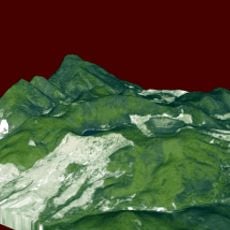
The crater that holds the bog erupted first, then went quiet and filled with a lake. A later eruption from the neighbouring crater covered much of that lake in ash, which encouraged peat moss to grow. Peat now lies 10 to 20 metres deep, and only 17 small pools remain of the original lake.
The bog lies in a crater of the Ciomatu Massif, and its name comes from the Hungarian word for moss. Access is only in groups, on a wooden boardwalk leading to two of the 17 remaining open water patches, accompanied by a designated guide. The peat layer, up to 20 metres thick, was considered for exploitation during the communist period.
Wear sturdy footwear and stay on marked paths since the ground is wet and muddy throughout the area. Check access requirements before visiting, as this protected reserve has specific rules for visitors.
The round-leaved sundew here is a relict of the Cainozoic glaciations and the only such insect-eating plant surviving in Transylvania. The bog also holds strictly protected ice-age relic plants, and the peat layer, up to 20 m thick, was nearly mined during the communist period.
The community of curious travelers
AroundUs brings together thousands of curated places, local tips, and hidden gems, enriched daily by 93,780 contributors worldwide.