Ciomadul, Dormant volcano in Harghita County, Romania
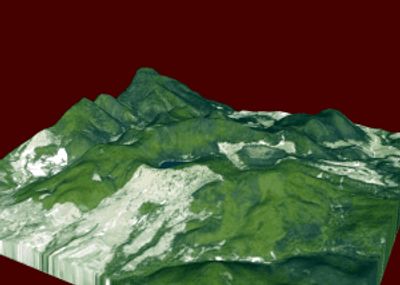
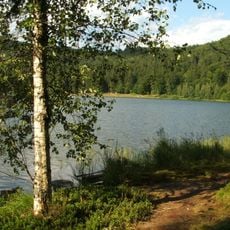
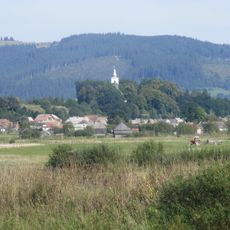
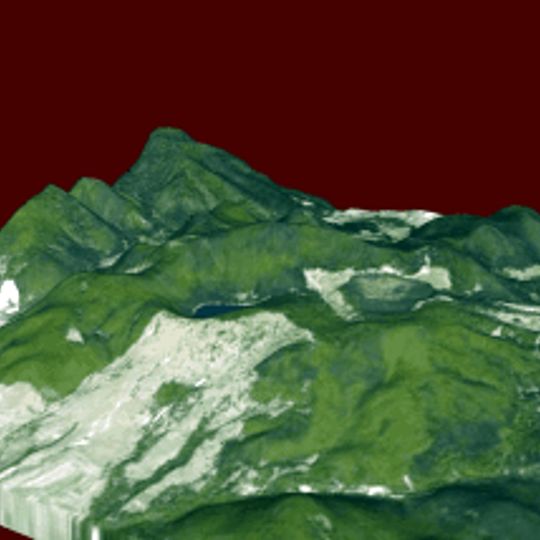
Ciomadul is a dormant volcano in the Eastern Carpathians formed by a complex of lava domes, with two explosion craters, Mohoș and Sfânta Ana, the latter holding Lake Sfânta Ana. Its highest point, Ciomadul Mare, reaches 1,301 m. The dominant rock is potassium-rich dacite, and the massif rises above the Lower Ciuk Basin.
The volcano formed between 650,000 and 500,000 years ago through dacitic eruptions. Its last recorded eruption occurred around 32,600 years ago.
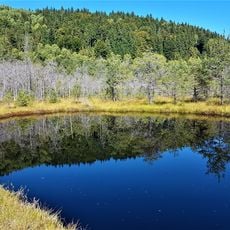
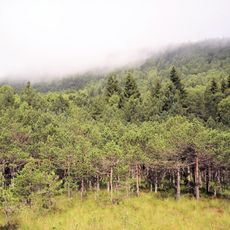
The crater of Mohoș holds a peat bog where the carnivorous round-leaved sundew grows, a plant noted in local nature writing since 2009. The Hungarian name Csomád and the Romanian Ciomadul both refer to the massif, while the neighbouring Puturosu (Büdös) cone takes its name from the sulphur smell of its gas emissions.
A road climbs the volcano from the southeast, passing the Mohoș swamp on the way to Lake Sfânta Ana. The highest point, Ciomadul Mare, reaches 1,301 metres. The surrounding Lower Ciuk Basin lies at about 700 metres, and individual lava domes rise 300–400 metres above it.
An active magma chamber lies beneath the surface with ongoing gas emissions, making it scientifically active despite appearing dormant. Geothermal measurements reveal elevated temperatures showing that underground volcanic activity continues to this day.
The community of curious travelers
AroundUs brings together thousands of curated places, local tips, and hidden gems, enriched daily by 93,053 contributors worldwide.