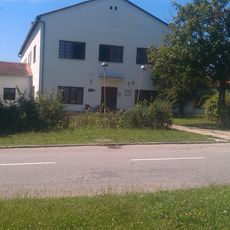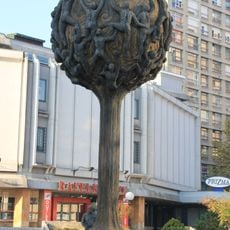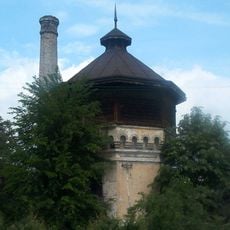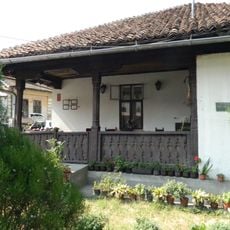
National Museum of Kragujevac, National museum in Kragujevac, Serbia.
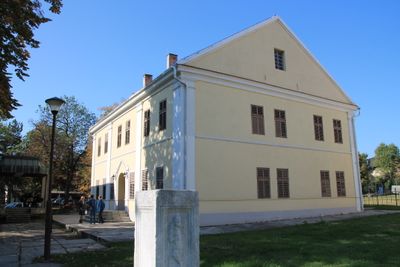
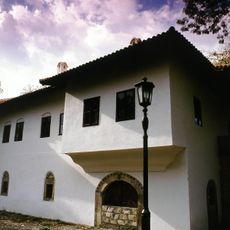
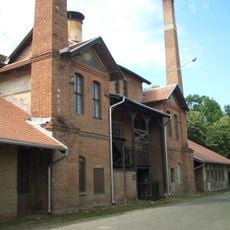
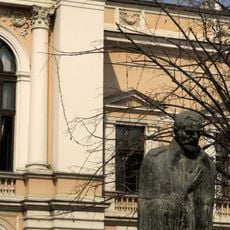
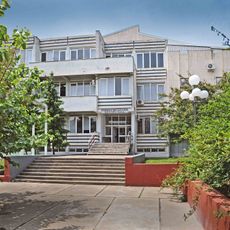
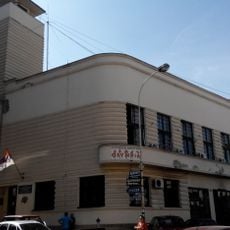
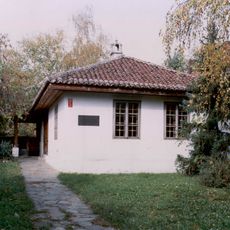
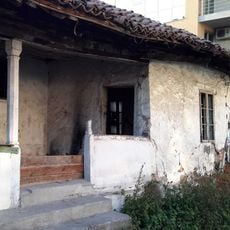
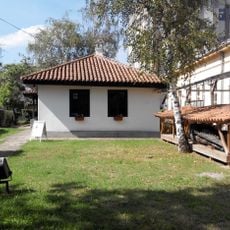
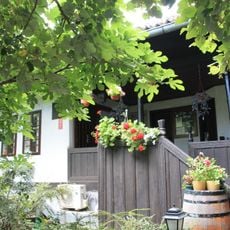
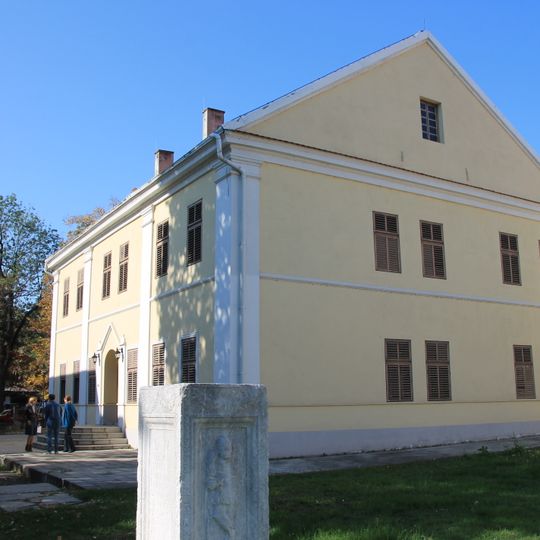
The National Museum of Kragujevac occupies the Amidžin konak, built in 1818 when Prince Miloš Obrenović moved his court from Crnuća, and the neighbouring Kneza Mihaila konak from 1868. Its holdings exceed 26,000 objects, with an archaeological department of over 10,000 inventoried finds and a Serbian painting collection of more than 1,000 works.
Prince Miloš Obrenović began his picture collection in June 1823; in 1837 he received his first mineral collection from the German naturalist Baron Herder, and sources also point to an early numismatic collection. A Šumadija Museum opened in spring 1942 and closed on 22 March 1943. The present museum was founded on 1 June 1949 as a regional museum with three staff and 872 objects in six collections, opened on 8 July 1951, and was renamed National Museum of Kragujevac in early 1953.
The ethnographic collection groups livestock keeping, farming, textile work, village costume, pipes and smoking sets, musical instruments, house and furnishings, crafts and trade, and town costume. The historical collection holds numismatics, revolutionary pamphlets, leaflets, posters, maps, photographs and postcards, and original archival documents.
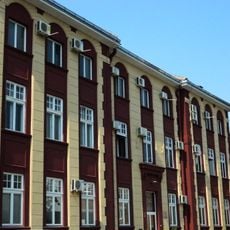
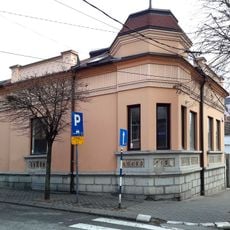
The museum is spread across several buildings, including Amidžin konak (1818) and the 1868 konak of Prince Mihailo, so plan to walk between sites. A curatorial guide service is available; ask at the main building on Vuka Karadžića 1 for orientation.
The museum's art collection holds over 1,000 works, including 18 icons from the 17th to 20th centuries and Serbian paintings such as Sava Šumanović's "L'été à Šid" (1939) and Petar Dobrović's "Esclave de Dalmatie" (1933). Since 2004, Prince Michael's konak has displayed 43 old-master works.
The community of curious travelers
AroundUs brings together thousands of curated places, local tips, and hidden gems, enriched daily by 93,195 contributors worldwide.