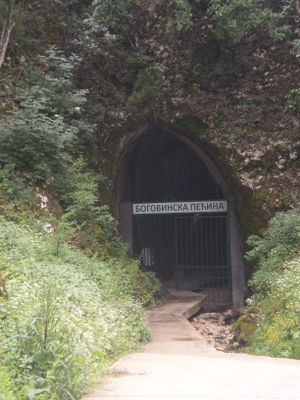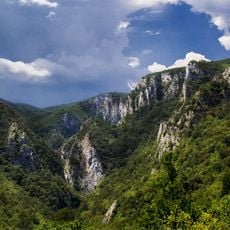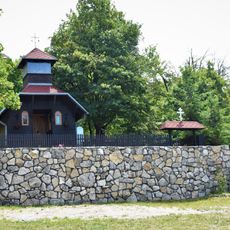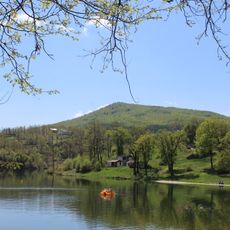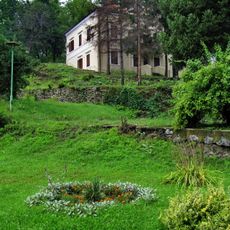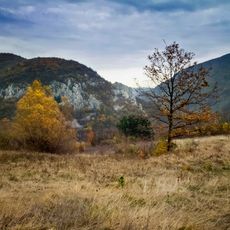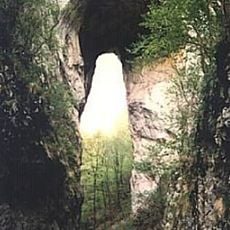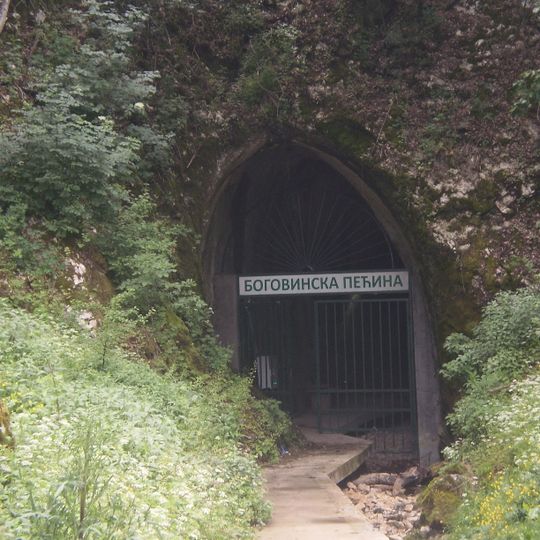
Bogovina Cave, Natural monument cave in Eastern Serbia.
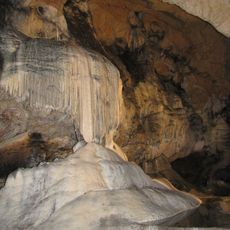
Bogovina Cave stretches through approximately 6 kilometers of limestone passages with multiple levels that contain both dry corridors and water-filled channels. The passages reveal different geological layers that display the site's natural development over vast periods of time.
Scientific understanding of the cave transformed in 1998 when researchers discovered teeth from a Pleistocene rhinoceros within its passages. This finding marked only the second such discovery in Serbia and revealed that different animal species once lived in this region.
The cave serves as a natural laboratory where researchers study the geological history of the Balkans and prehistoric environments. Visitors often encounter scientists working here, drawn by the site's role in understanding how the region formed over millennia.
The first 300 meters are easily accessible via developed pathways, but exploring deeper sections requires proper caving equipment and experience. Plan ahead to understand which areas are open for your visit.
The cave is home to rare creatures that have adapted to complete darkness, including an endemic land shrimp species found nowhere else on Earth. These animals reveal how life develops in the most extreme underground conditions.
The community of curious travelers
AroundUs brings together thousands of curated places, local tips, and hidden gems, enriched daily by 92,238 contributors worldwide.