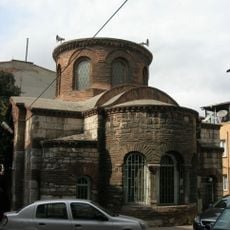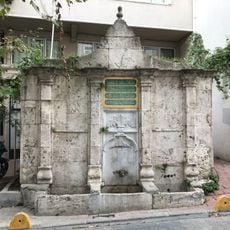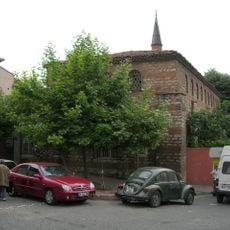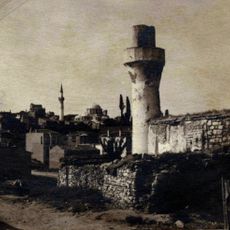
Cistern of Aetius, Ancient Roman cistern in Fatih district, Istanbul, Turkey.
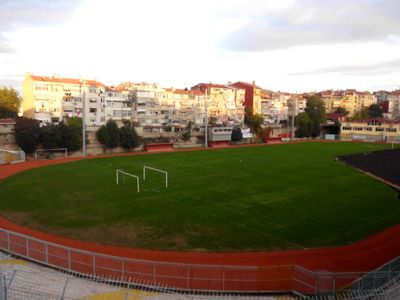
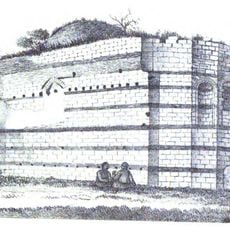
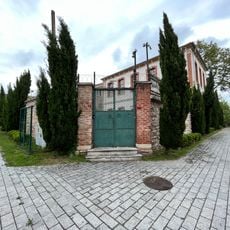
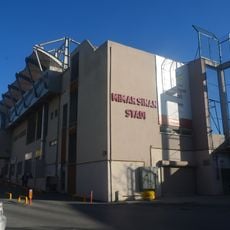
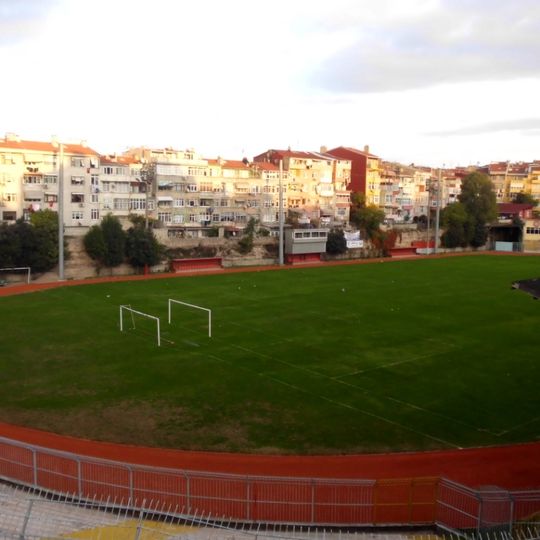
The Cistern of Aetius is a rectangular underground reservoir from ancient times that lies beneath the current Karagümrük stadium. The walls alternate between brick and stone layers, and the interior space was engineered to collect and hold water for the city's needs.
Construction began in the early 5th century under Emperor Theodosius II to supply water to Constantinople's expanding population. The project was part of the infrastructure development that transformed the city into one of the empire's most important centers.
The site is named after a Roman general and reflects how Byzantines managed water in their growing city. The structure evolved from a hidden utility into a public space, showing how communities adapt ancient monuments for contemporary life.
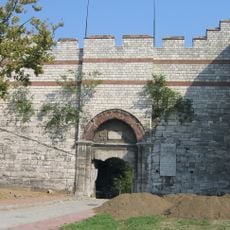
The site is located in Fatih district, southeast of the Gate of Edirne, and now serves as the Karagümrük sports stadium. Visitors should know that access to the underground structures is limited and parts of the ancient remains lie beneath modern stadium facilities.
The structure could store over 300,000 cubic meters of water during its active period, with walls reaching depths of up to 15 meters underground. This enormous capacity allowed the city to survive extended dry seasons and supply water reliably to its residents.
The community of curious travelers
AroundUs brings together thousands of curated places, local tips, and hidden gems, enriched daily by 60,000 contributors worldwide.