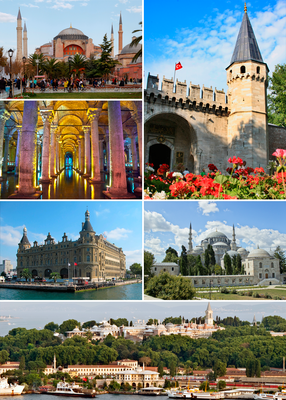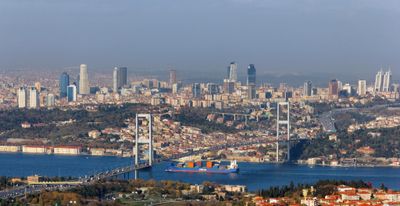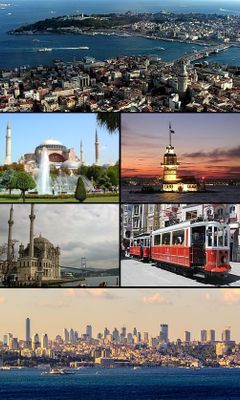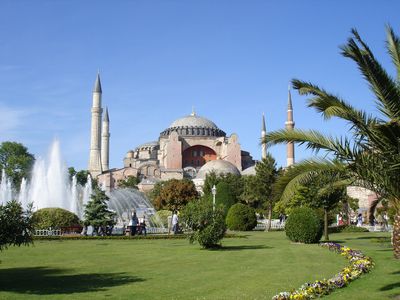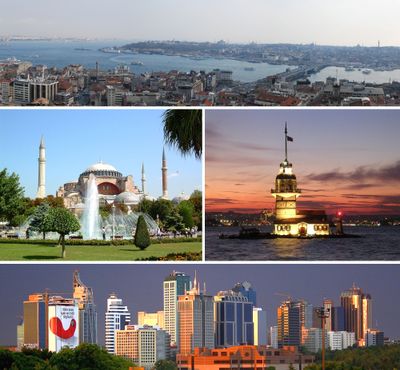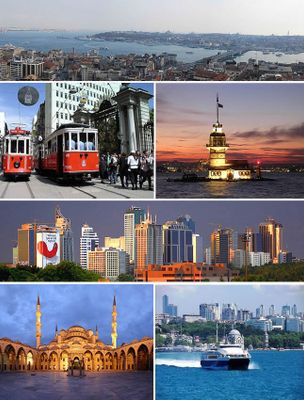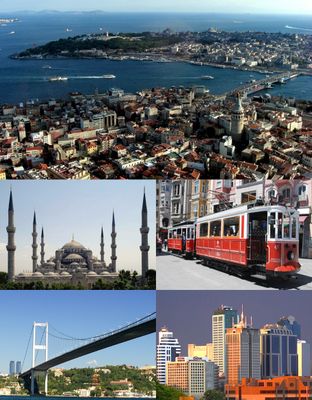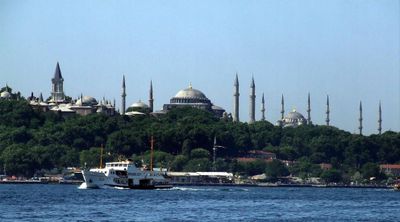
İstanbul, Metropolitan center in Turkey
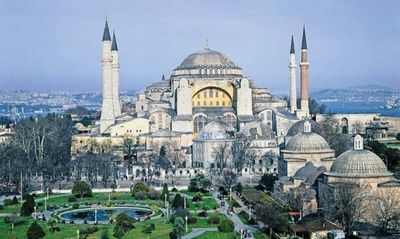
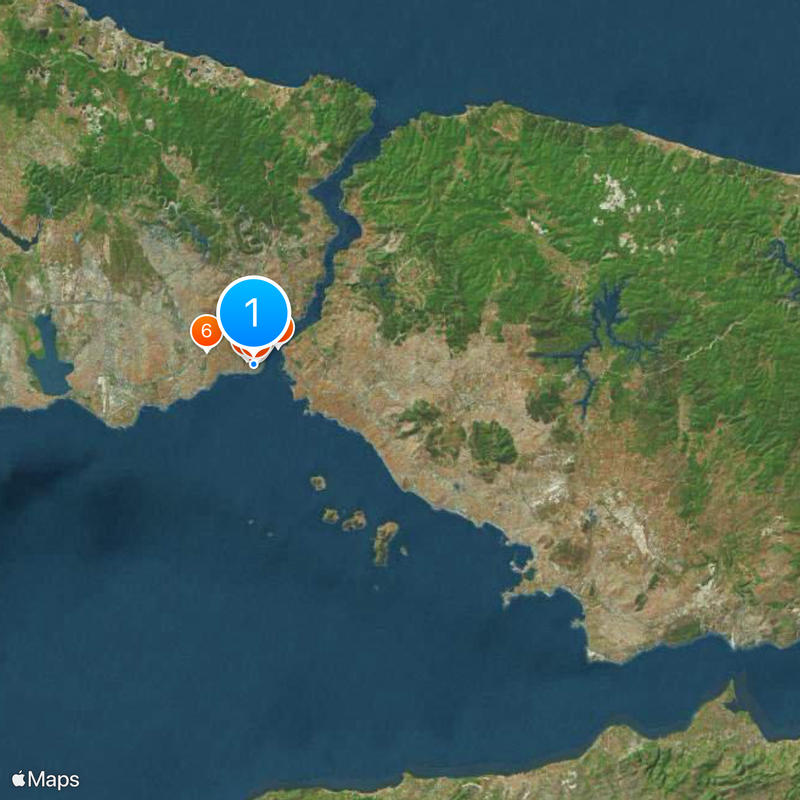
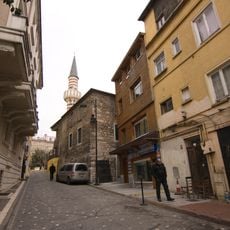
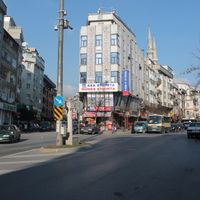
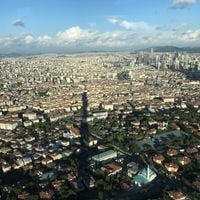
Istanbul is a metropolis stretching over two continents, connected by a strait running through its center. The urban core sits along the waterway with dense buildings on both shores and narrow lanes climbing uphill, while newer districts fan out over flatter hills.
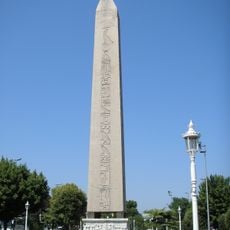
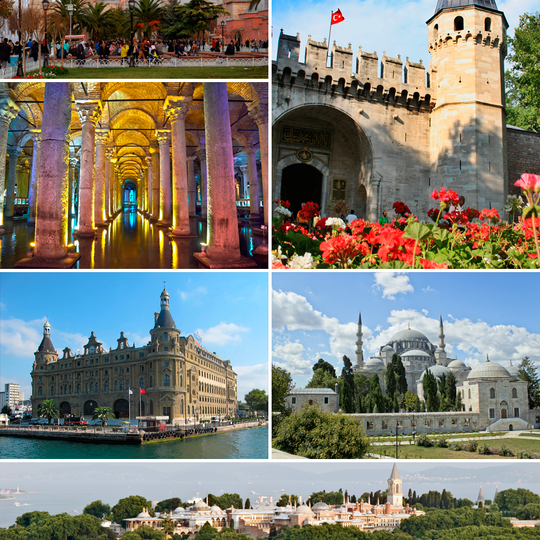
Greek settlers founded a colony on the shore in the 7th century BCE and controlled the passage between two seas. An emperor chose the site as a new capital in the 4th century CE and built walls that stood for over a thousand years before a sultan conquered the city and made it the center of his empire.
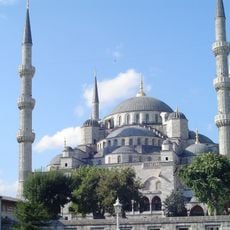
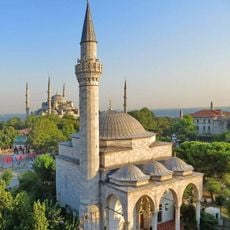
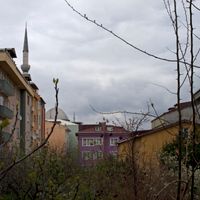
Neighborhoods reflect daily habits: men drink tea in small glasses on street corners while families stroll along the waterfront in the evenings. Markets sell fresh bread and spices, women wear both modern clothing and traditional headscarves, and calls to prayer ring through the city air five times a day from minarets.
Public transport connects both continents and major districts through subways, trams, ferries, and buses, most easily accessed with a rechargeable card. Two airports handle international arrivals, with buses and trains linking the centers to outlying areas; historic quarters are best explored on foot, while hills require short, steep climbs.
A subway tunnel runs deep under the seabed and connects the shores in minutes, while construction crews discovered remains of ancient ships and prehistoric settlements in the depths. A small group of islands off the coast allows no cars; residents and visitors use horse-drawn carriages to move between houses and beaches.
The community of curious travelers
AroundUs brings together thousands of curated places, local tips, and hidden gems, enriched daily by 90,737 contributors worldwide.