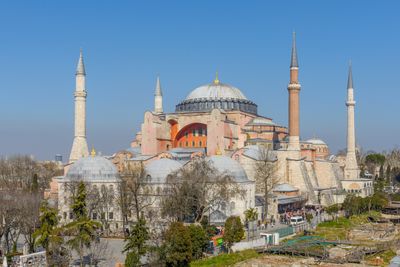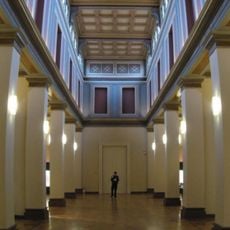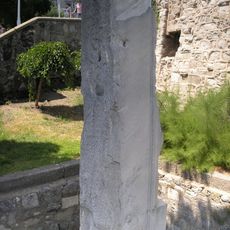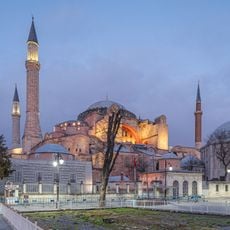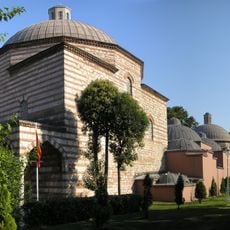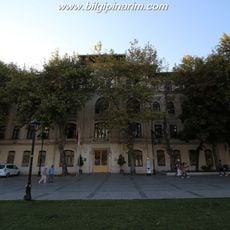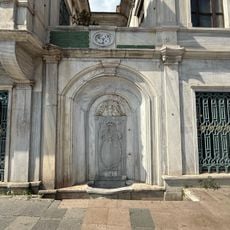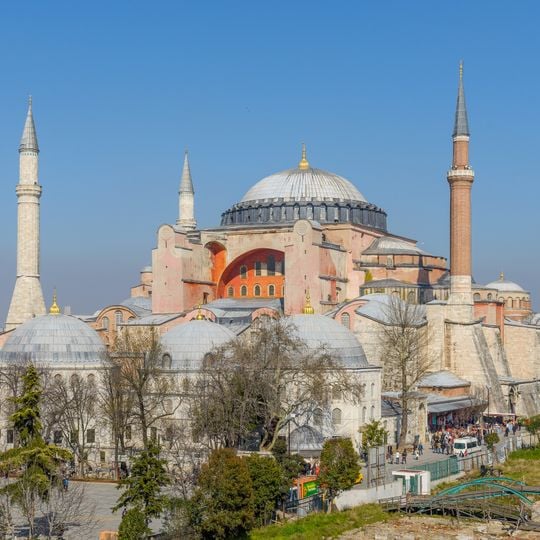
Runic inscriptions in Hagia Sophia, Norse inscriptions in Hagia Sophia, Turkey.
These runic inscriptions are carved into marble parapets in the upper gallery and consist of Nordic characters chiseled into the white stone. One of the carvings carries the name Halfdan, while the other is shorter and located in the northern section.
The carvings date from the 9th to 11th centuries, when Scandinavian warriors of the Varangian Guard served in Constantinople. The second inscription was only discovered in 1975 during restoration work and brought to light.
The carvings show that Scandinavian warriors scratched their names into one of Christianity's most important churches while serving as bodyguards to Byzantine emperors. Visitors can see the traces of these northern mercenaries directly beside Byzantine mosaics and Islamic calligraphy, revealing the layers of different eras.
The inscriptions are located on the upper floor of the southern and northern galleries, reached by stairs. A transparent protective cover preserves the letters from further wear while allowing close viewing.
Scholars still debate the exact reading of the northern carving, as some researchers identify the name Ári while others suggest Arinbárðr. The Halfdan inscription remains the best-known Nordic legacy in Byzantine architecture and is often called medieval graffiti.
The community of curious travelers
AroundUs brings together thousands of curated places, local tips, and hidden gems, enriched daily by 90,800 contributors worldwide.