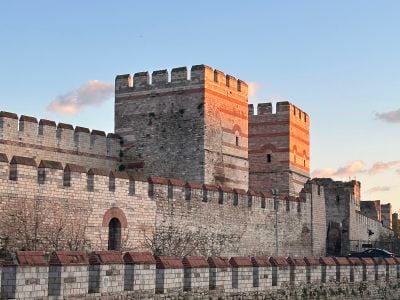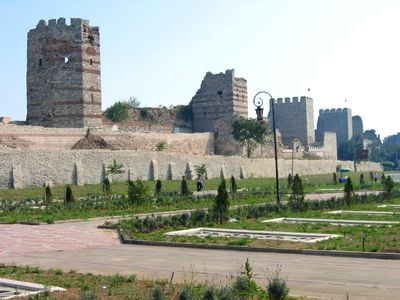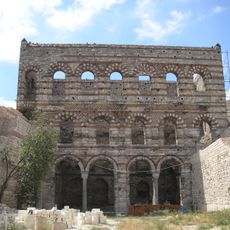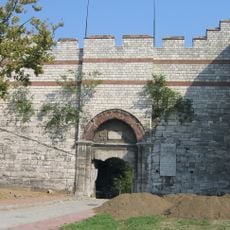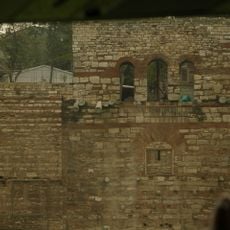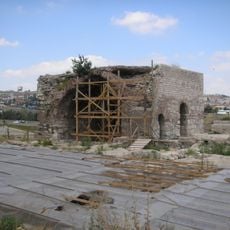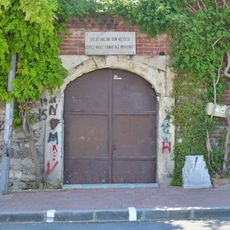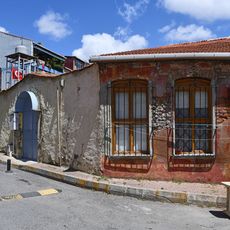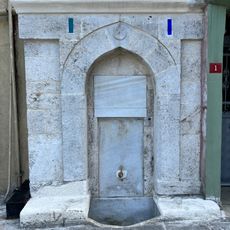
Walls of Constantinople, Ancient city walls in Fatih, Istanbul, Turkey.
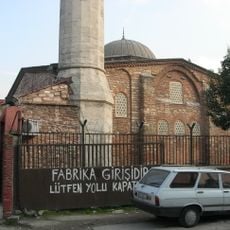
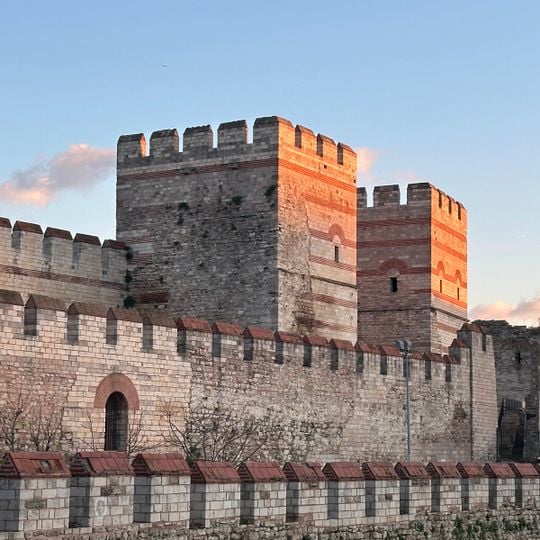
The Theodosian Walls form an extensive stone and brick defensive system in the Fatih district of Istanbul. The structure consists of two parallel walls separated by an open corridor, and a series of round and square watchtowers rising at regular intervals along the line.
Emperor Theodosius II commissioned the structure in the early fifth century to protect the growing metropolis from land attacks. The fortification held for over a thousand years, until Ottoman cannons breached it in 1453 and the city fell.
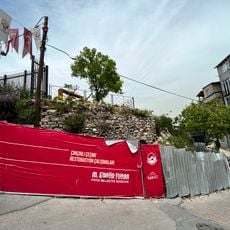
The name refers to Emperor Constantine the Great, who founded the city in 330 as the new capital of the Roman Empire. Along the preserved sections today, you see residential neighborhoods that press directly against the old stones, vegetable gardens between the towers, and children playing on the broad foundations.
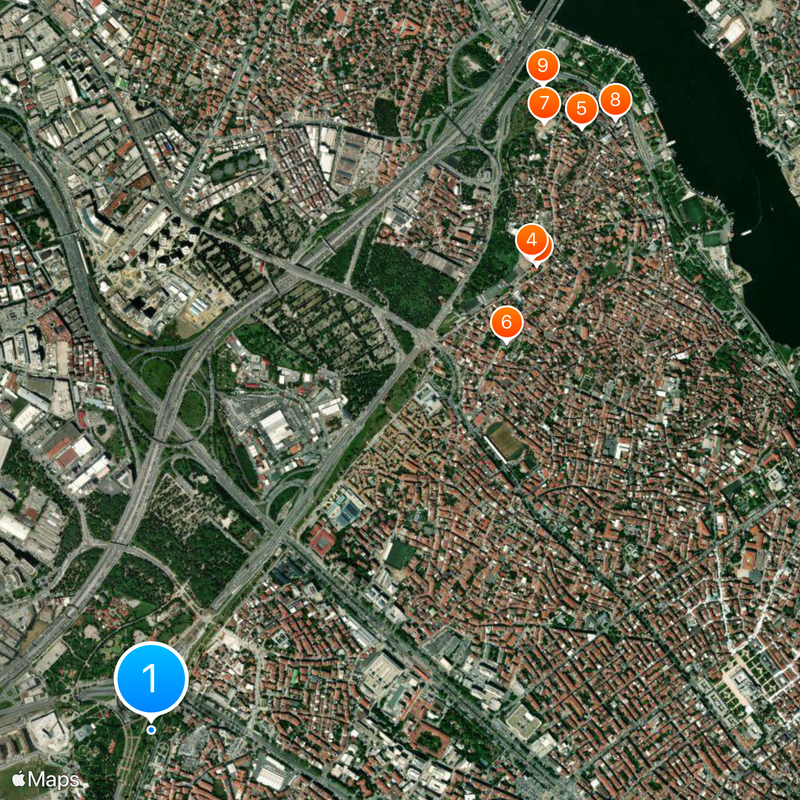
The best sections to visit lie between Yedikule Fortress in the south and Tekfur Palace in the north, where the towers and gates remain clearly visible. A walk along the full length takes several hours, so it makes sense to choose a specific section beforehand.
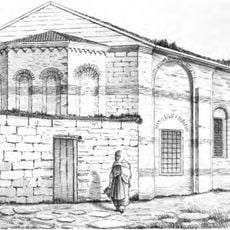
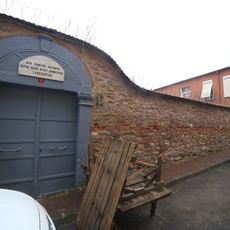
A shallow moat with artificial embankments used to run in front of the outer wall line and could be flooded during attacks. Some gates still show Greek and Latin inscriptions carved into the stone, naming the construction crews or the purpose of the specific passage.
The community of curious travelers
AroundUs brings together thousands of curated places, local tips, and hidden gems, enriched daily by 90,866 contributors worldwide.