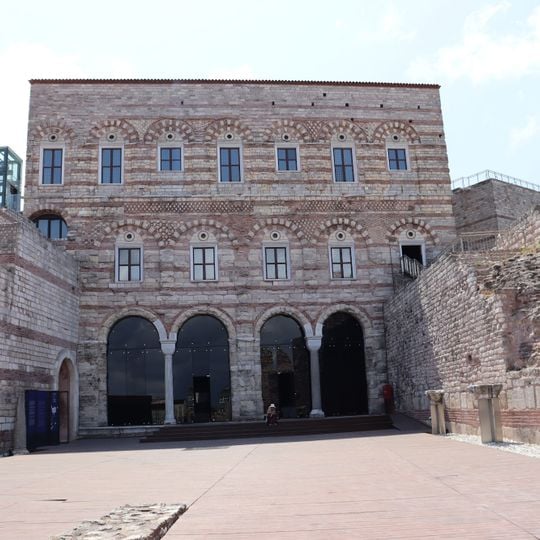
Palace of the Porphyrogenitus, Byzantine palace museum in Ayvansaray, Turkey
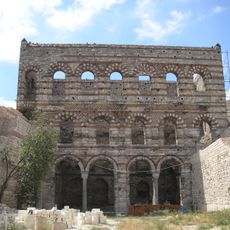
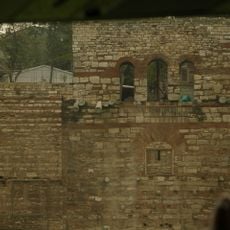
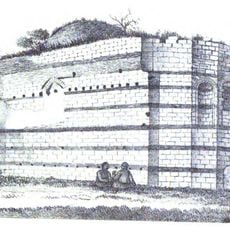
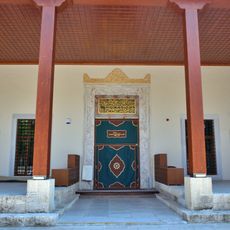
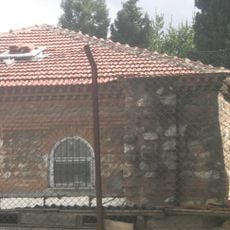
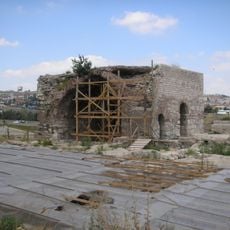
The Palace of the Porphyrogenitus is a three-story building of stone and brick in Ayvansaray, Istanbul, standing along the old Theodosian walls between the Edirnekapı and Eğrikapı gates. The facade shows alternating layers of stone and brick forming geometric patterns, while the interior holds several open rooms spread across the three floors.
The palace was built in the late 13th century as part of the Blachernae complex, which served as the main residence of the Byzantine imperial family during the final centuries of the empire. After Constantinople fell in 1453, Ottoman rulers repurposed the building several times over the following centuries.
The name "Porphyrogenitus" comes from Greek and means "born in the purple", a title given to children born within the imperial palace. Visitors who look closely at the outer walls can still spot the geometric brick patterns left by Byzantine craftsmen centuries ago.
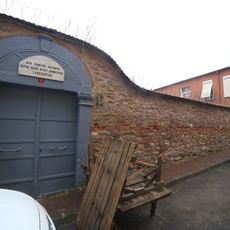
The building sits along the old city walls and is reachable on foot from the Golden Horn waterfront, though the ground around the ruins can be uneven. Sturdy footwear is a good idea, and visiting in the morning tends to make exploring the area easier since the site is not heavily crowded.
During Ottoman times, the building was turned into a workshop producing ceramic tiles for royal buildings across the city, which is why it is also known in Turkish as Tekfur Sarayı. The name Tekfur is an Ottoman adaptation of a Greek title for a provincial ruler, not an emperor, suggesting the palace may have housed lesser members of the imperial court.
The community of curious travelers
AroundUs brings together thousands of curated places, local tips, and hidden gems, enriched daily by 60,000 contributors worldwide.