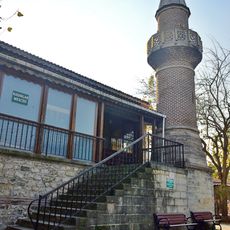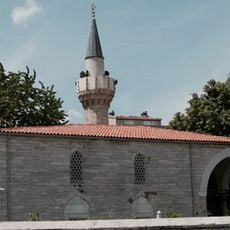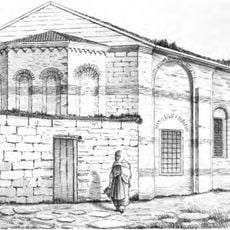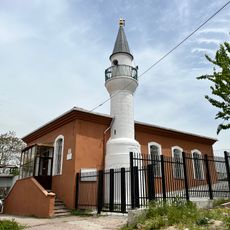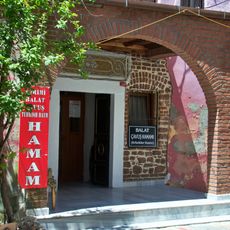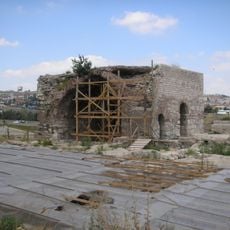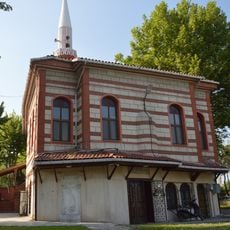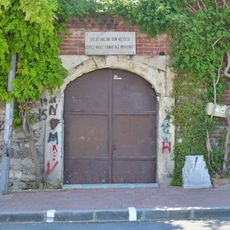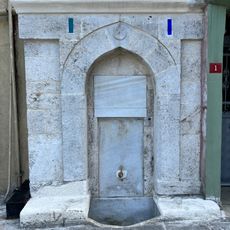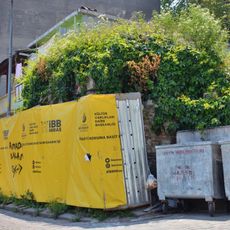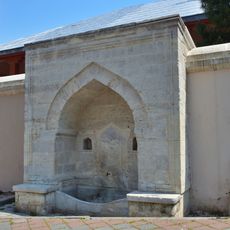
Muhammed El-Ensari Türbesi, A historic building in Istanbul.
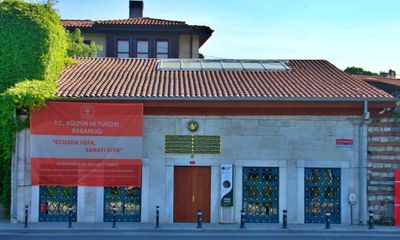
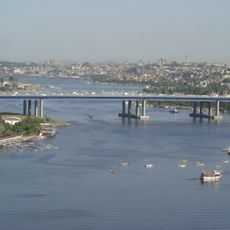
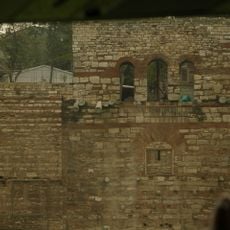
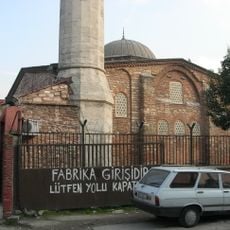
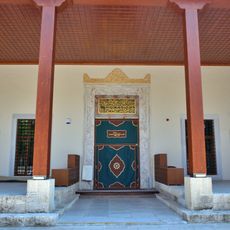
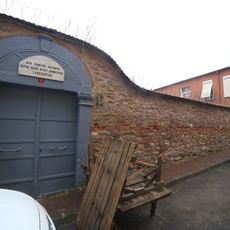
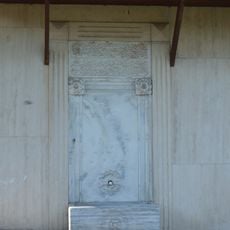
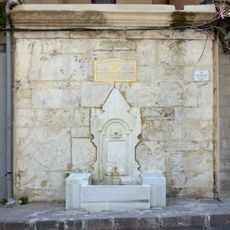
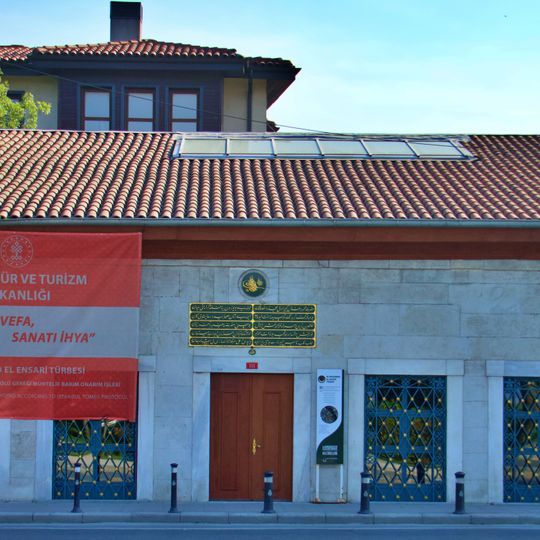
Muhammed El-Ensari Türbesi is a small tomb located in Ayvansaray, Istanbul's Fatih district, situated at the shore of the Golden Horn. The structure features stone walls crowned by a simple, durable dome, with an inscription on the entrance door referencing Sultan Mahmud II's restoration efforts and containing a grave chamber along with a nearby well.
According to tradition, Muhammed El-Ensari came from Medina and died in 48 AH during the siege of Istanbul as the city was being conquered. The site became known as Bab al-Ansari or Parmakkapi and underwent major restoration under Sultan Mahmud II. in the 19th century, strengthening its structure and preserving it for future generations.
The tomb serves as a place where visitors traditionally offer prayers and make personal wishes, with activity increasing during religious occasions like Ramadan and Kandil nights. The quiet setting invites silent reflection and draws both local residents and those interested in early Islamic history who approach the site with reverence.
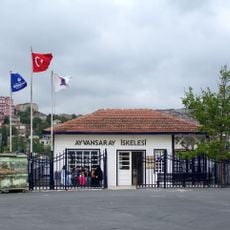
The site is easily reached on foot and sits in an area with small local shops and restaurants nearby. Visitors typically come early in the morning or late in the evening to explore the grounds quietly and find peace.
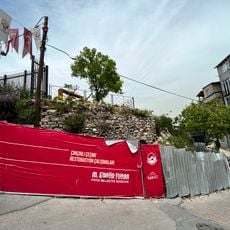
The site was once comparable in significance to the Eyup Sultan Mosque and drew large crowds, but fell into neglect over time before being restored. Today it remains an overlooked testament to early Islamic history in Istanbul, bypassed by many who focus on larger historical sites.
The community of curious travelers
AroundUs brings together thousands of curated places, local tips, and hidden gems, enriched daily by 91,643 contributors worldwide.