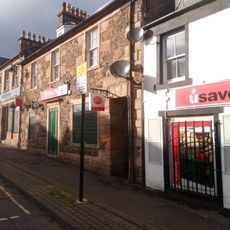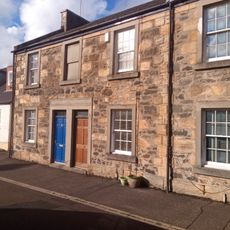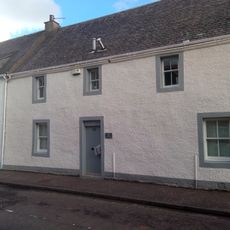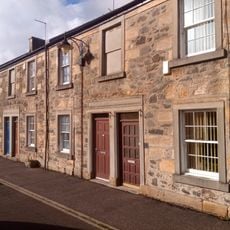
Cumbernauld, Modern town in North Lanarkshire, Scotland.
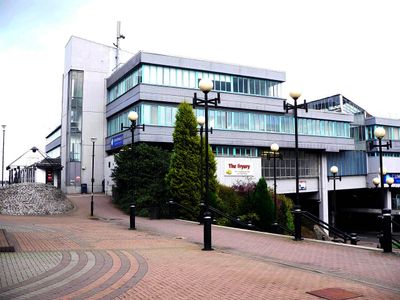
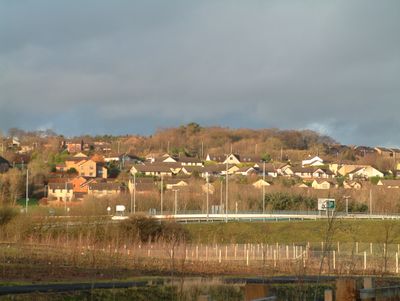
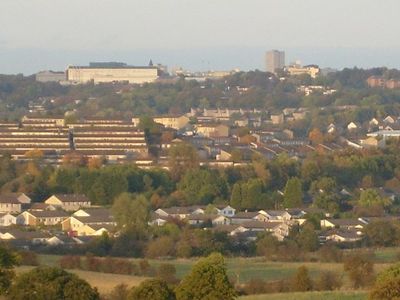
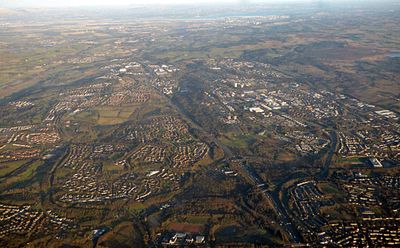
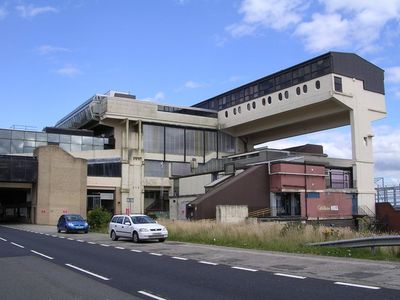
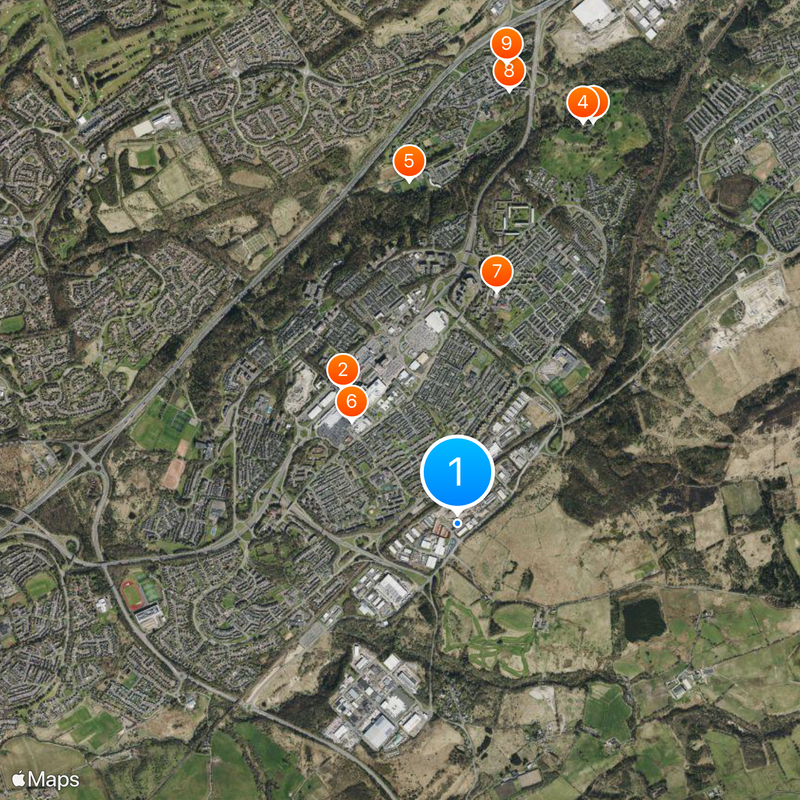
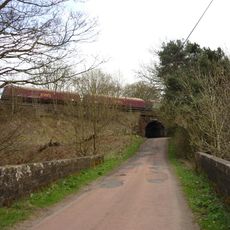
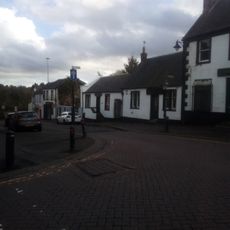
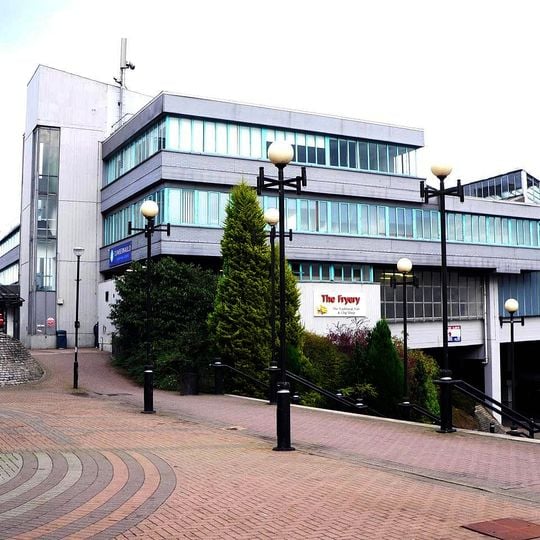
Cumbernauld sits between the Forth and Clyde watersheds in North Lanarkshire, spreading across gentle hills with residential neighborhoods radiating from a central shopping core. The layout links pedestrian areas in the center with housing estates that spread in different directions over rising and flat ground.
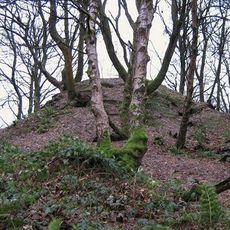
Settlement traces go back to Roman times, when a section of the Antonine Wall ran through here. After World War Two, the town was rebuilt as a New Town to house population from overcrowded Glasgow.
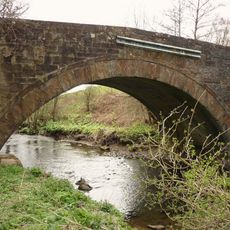
The name comes from the Gaelic 'Comar nan Allt', meaning 'meeting of waters', referring to where Luggie Water and Red Burn flow together. Today the town serves as a commuter base, with many residents traveling between local shops and nearby cities.
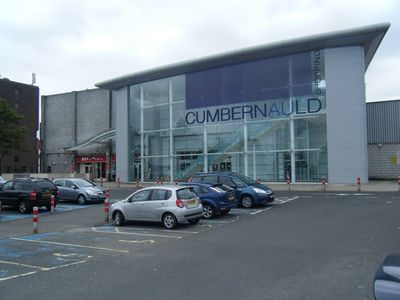
The town center with its shopping streets and covered areas can be explored on foot, while residential areas spread across the higher ground. Regular train links run to Glasgow, and buses connect the different neighborhoods.
A 2nd-century Roman altar stands in the open air in Cumbernauld Community Park, the only one of its kind in Scotland still visible at its original location. In 1967, the Institute of American Architects recognized the town's planning ideas as an example of new urban approaches.
The community of curious travelers
AroundUs brings together thousands of curated places, local tips, and hidden gems, enriched daily by 92,783 contributors worldwide.