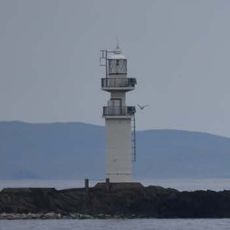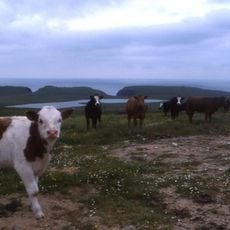
Foula, Remote inhabited island in Shetland, United Kingdom.
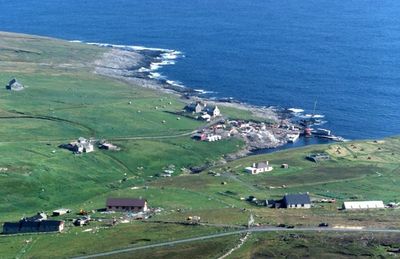
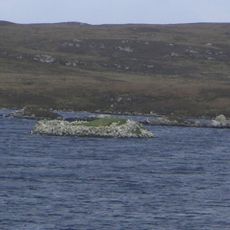
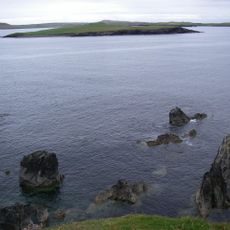
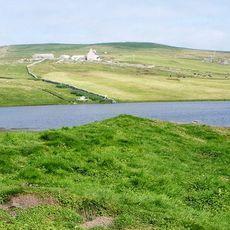
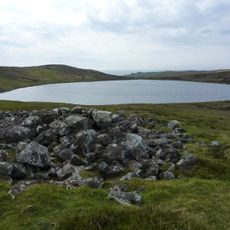
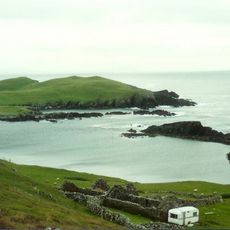
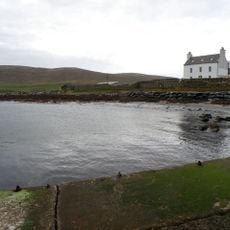
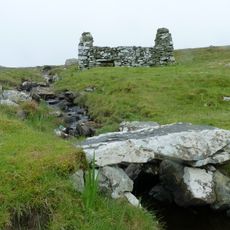
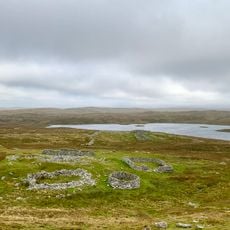
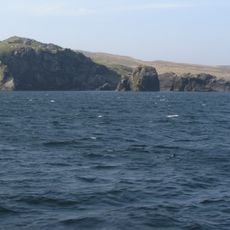
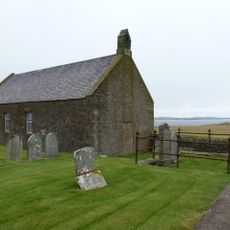
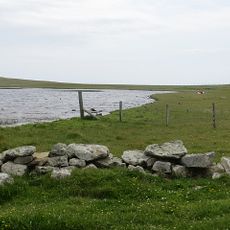
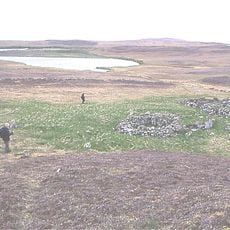
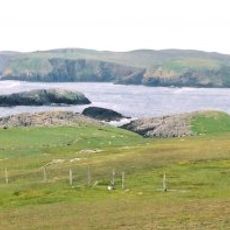
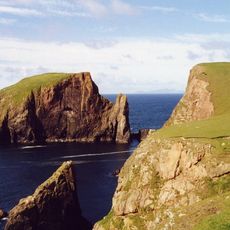
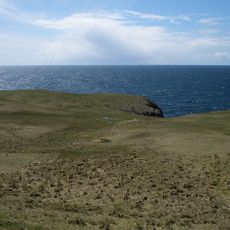
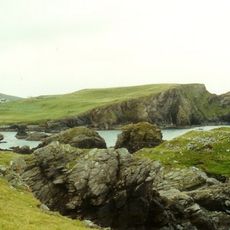
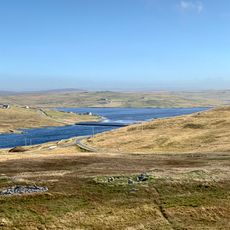
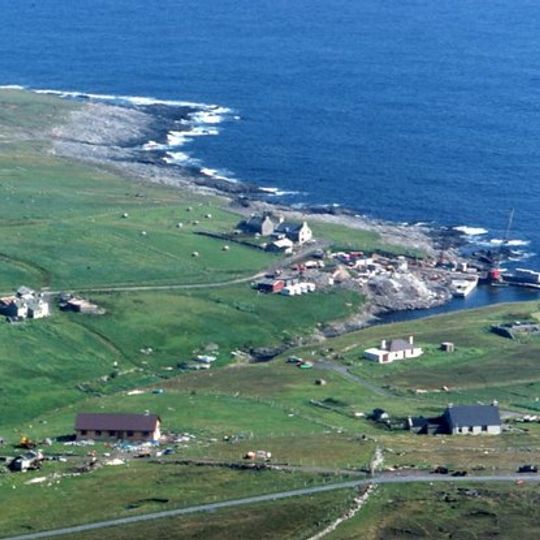
Foula is an inhabited island in Shetland covering roughly 1,265 hectares with five mountains, the highest being The Sneug at 418 meters. The landscape features open moorland, dramatic sea cliffs, and scattered lochs across rolling terrain.
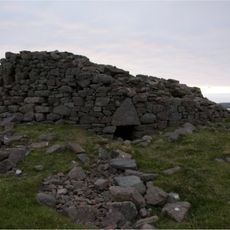
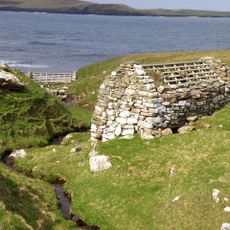
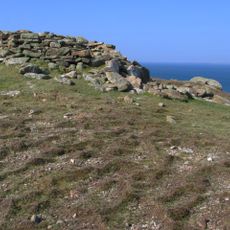
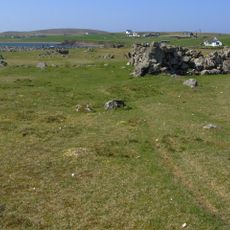
Archaeological evidence shows human settlement dating back over 5,000 years, with standing stones from ancient cultures still visible on the landscape. These early traces reveal the island's long continuity as a place of habitation.
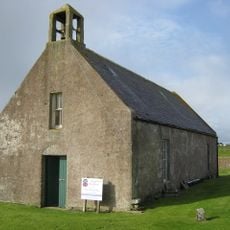
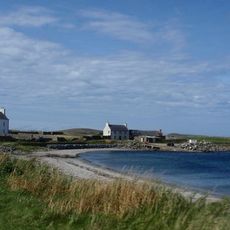
The small community here observes the Julian calendar and celebrates Christmas on January 6th rather than December 25th, a practice rooted in Norse heritage. This tradition shapes how life unfolds on the island throughout the year.
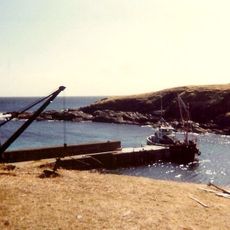
Getting there requires either a short flight from Tingwall airport or a ferry journey from Walls, both needing advance booking before you go. The weather can change quickly, so bring layers and good waterproof clothing for any time of year.
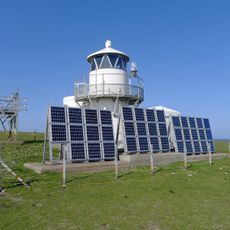
The island runs its own power system using wind turbines, hydroelectric generation, and solar panels to stay largely self-sufficient in energy. This setup demonstrates how remote communities manage their own resources in a harsh environment.
The community of curious travelers
AroundUs brings together thousands of curated places, local tips, and hidden gems, enriched daily by 91,993 contributors worldwide.