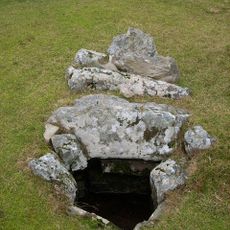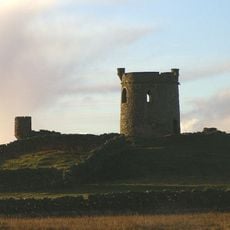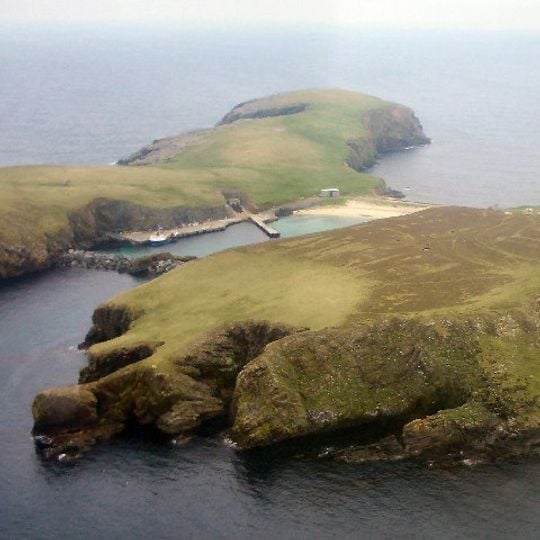
Shetland Islands, Archipelago in northern Scotland.
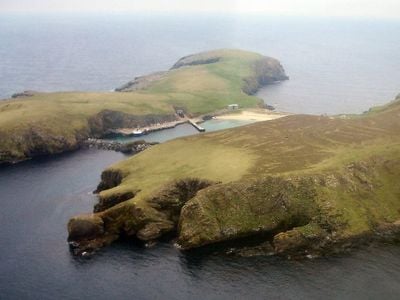
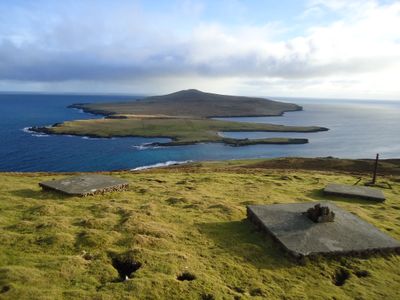
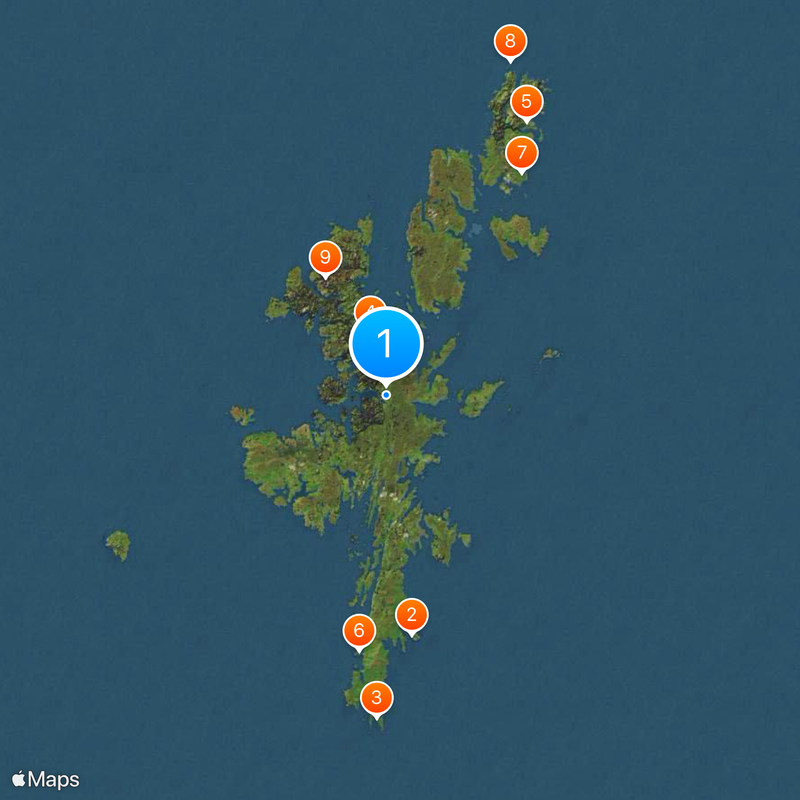
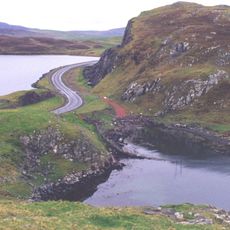
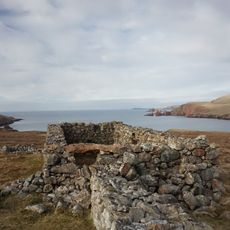
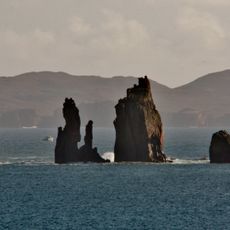
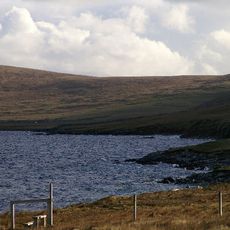
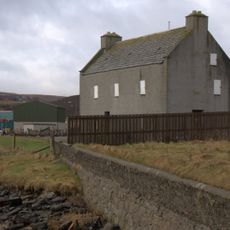
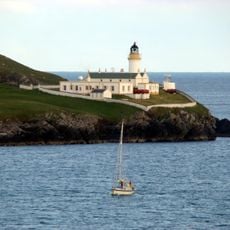
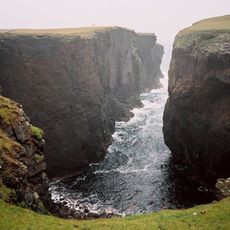
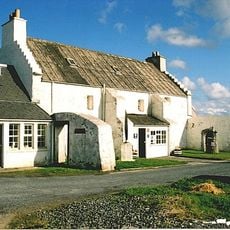
Shetland is an archipelago in the North Atlantic made up of more than 100 islands lying between mainland Scotland and Norway. Around 16 of these islands remain inhabited, scattered across a landscape of rugged coastline shaped by wind and ocean currents.
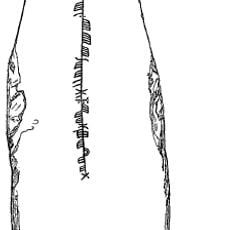
The islands belonged to Norway from the 9th century until 1469, when King Christian I transferred them to Scotland as part of a dowry arrangement. This shift brought Scottish law and governance, though Norse language and customs lingered for centuries afterward.
Residents celebrate Up Helly Aa each winter, a fire festival where torches light up the night and replica longships burn to honor their Norse past. Visitors often hear old Norse terms woven into conversation, and evening sessions in local pubs keep traditional fiddle music and island storytelling alive.
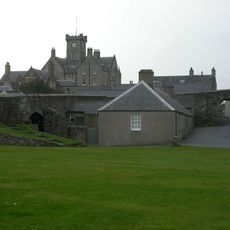
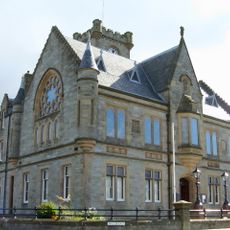
Ferries and small planes connect the islands, with Lerwick serving as the main hub for travel between outlying communities. Weather changes quickly here, so visitors should bring warm layers and waterproof clothing even during summer months.
The northern location brings up to 19 hours of daylight in summer, while winter nights stretch across most of the day. These extreme light conditions shape the rhythm of life here and make the islands one of the best places in Europe to watch the northern lights during darker months.
The community of curious travelers
AroundUs brings together thousands of curated places, local tips, and hidden gems, enriched daily by 91,288 contributors worldwide.