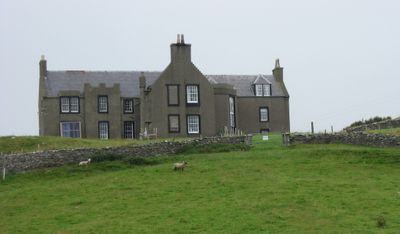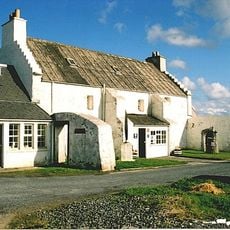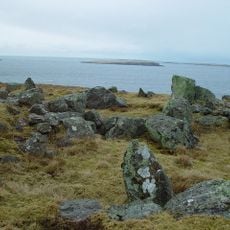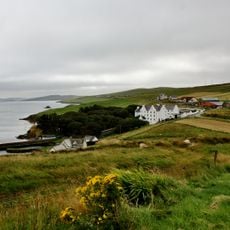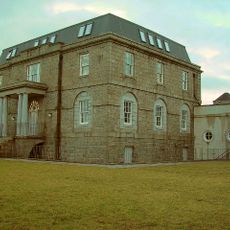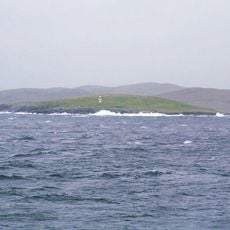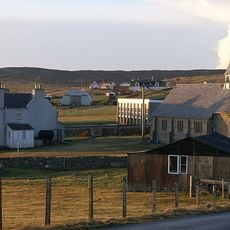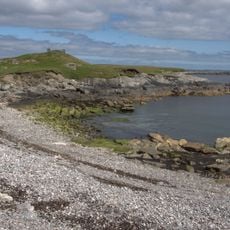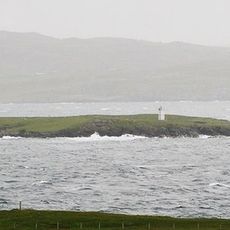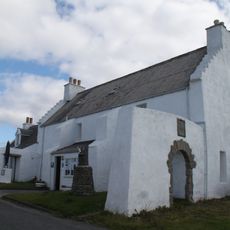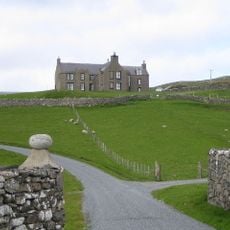
Lunna House, 17th-century mansion in Vidlin, Shetland Islands, Great Britain.
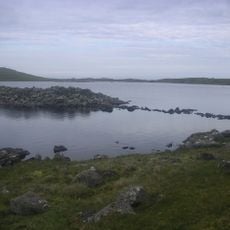
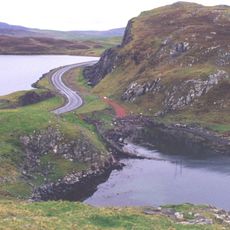
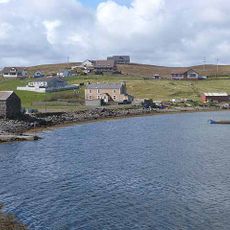
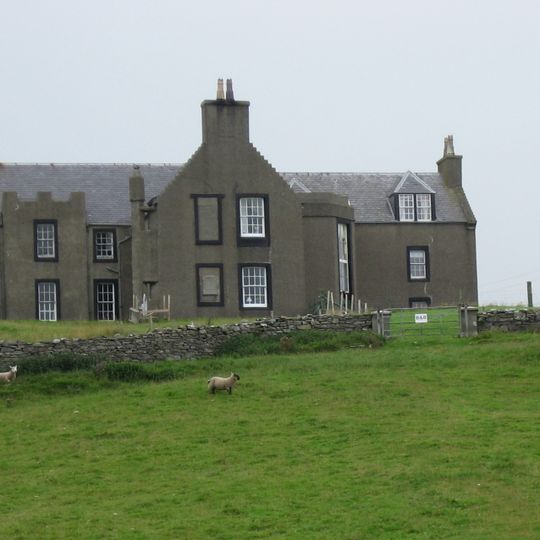
Lunna House is a stone mansion with a cross-shaped floor plan located on a narrow peninsula between two sea inlets on northern Shetland. The building demonstrates masonry techniques typical of the period, with thick walls and small windows adapted to the exposed island setting.
The mansion was built in 1660 by a local landowner and received major additions in the early 1700s and throughout the 1800s. Each expansion reflected the growing wealth and changing needs of successive generations living on this remote peninsula.
The house displays a stone carving with family arms that marks a 1707 wedding, showing how important marriages were for property ownership in the islands. Visitors can still see this commemorative panel as they walk through the entrance area, connecting them to the lives of people who lived here centuries ago.
The property operates as a bed and breakfast offering overnight stays for travelers visiting northern Shetland. The setting on an isolated peninsula provides a quiet base for exploring the islands' coastal landscapes and small communities.
During World War II, the mansion served as an initial headquarters for covert operations and sabotage missions targeting occupied Norway. Though no visible remains mark this secret chapter, the house was once at the center of dangerous wartime activities involving small boats and trained agents.
The community of curious travelers
AroundUs brings together thousands of curated places, local tips, and hidden gems, enriched daily by 91,811 contributors worldwide.