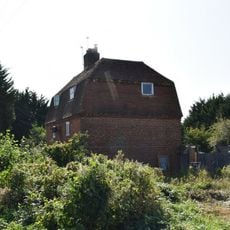
Boxley Abbey, Cistercian monastery in Boxley, England
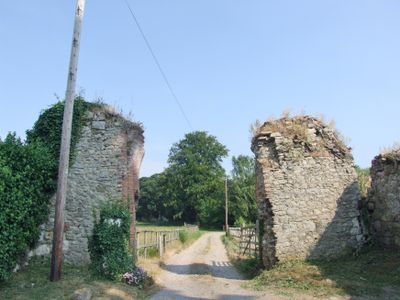
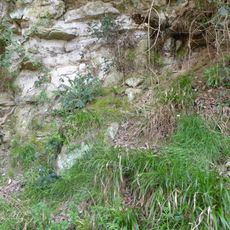
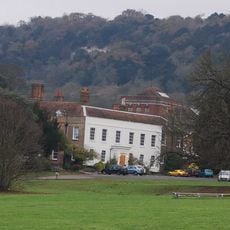
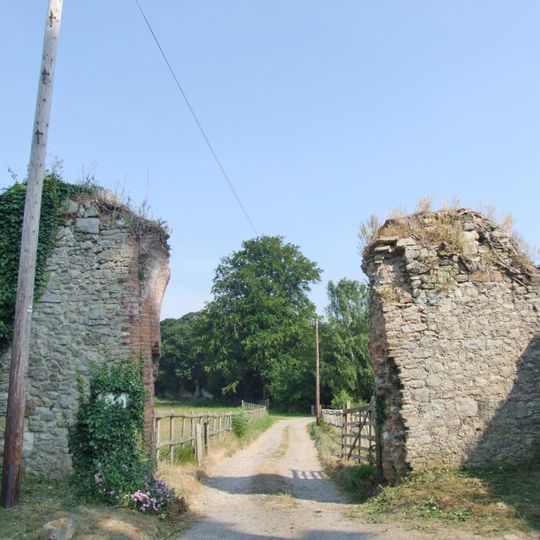
Boxley Abbey is a Cistercian monastery in Kent, England, now reduced to ruins that include standing wall sections, window openings, and foundation remains spread across an open field. The collapsed gatehouse at the edge of the site hints at the scale of what the full complex once looked like.
The abbey was founded in 1146 by William of Ypres, a Flemish military commander who brought monks from a French monastery to settle in the Boxley valley. It survived for around 400 years until the dissolution of the monasteries under Henry VIII brought it to an end.
The monks of Boxley shaped the surrounding valley by farming the land and raising sheep, leaving a mark on the local landscape that outlasted the buildings themselves. Walking through the ruins today, visitors can still trace the outlines of what was once a working community at the heart of local life.
The ruins sit in an open field and can be explored freely, but the ground is uneven so sturdy footwear is a good idea. There is very little shelter on site, so check the weather before you go and allow enough time to walk around the full area.
The monastery once housed a wooden figure known as the Rood of Grace, which appeared to move and speak through hidden mechanical parts built inside it. When the trick was exposed in 1538, the figure was publicly displayed as a fraud, making Boxley one of the most talked-about places in England at the time.
The community of curious travelers
AroundUs brings together thousands of curated places, local tips, and hidden gems, enriched daily by 91,305 contributors worldwide.