Hilton of Cadboll Stone, Archaeological site in Easter Ross, Scotland.
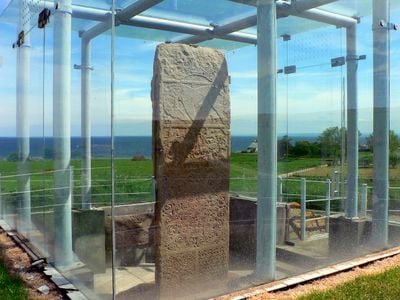
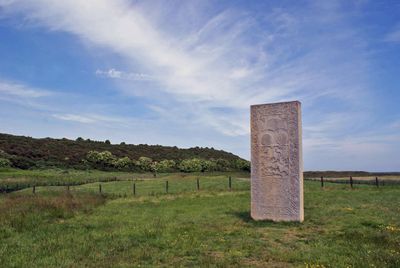
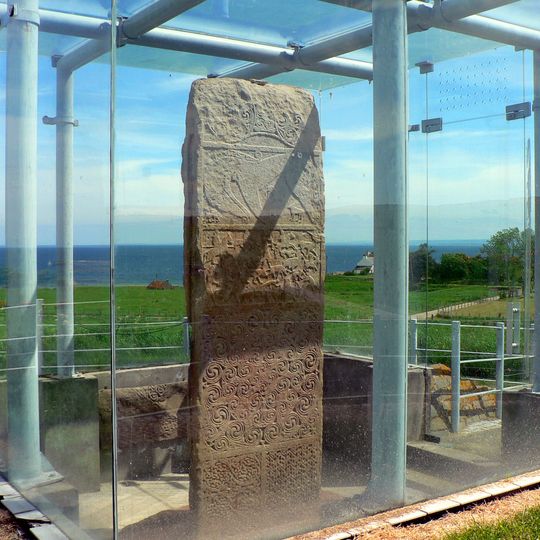
The Hilton of Cadboll Stone is a carved Pictish slab with intricate patterns, animal figures, and geometric designs covering both of its surfaces. The front displays fine craftsmanship with symmetrical ornaments and lively scenes, while the back carries additional symbolic markings.
The stone dates from the 8th century and originally stood near a chapel in the village of Cadboll. It was moved to Invergordon Castle in the 19th century before eventually making its way to the National Museum of Scotland.
The stone displays scenes of daily Pictish life, including a woman on horseback during a hunt and symbols that held meaning in their society. These carvings offer rare glimpses into how people lived and what they valued in this region over a thousand years ago.
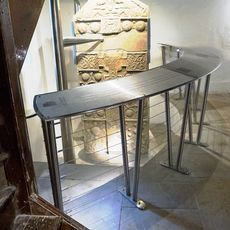
The original stone can be seen at the National Museum of Scotland in Edinburgh, while a modern replica stands at its original location. Visitors can access the museum easily and view the reproduction outside without needing an entrance ticket.
This stone belongs to a rare group of Pictish monuments from this era discovered across northern Scotland. The hunting scene on the front is one of the few known depictions of a high-born woman in Pictish artwork, revealing the elevated social standing of women in their society.
The community of curious travelers
AroundUs brings together thousands of curated places, local tips, and hidden gems, enriched daily by 92,420 contributors worldwide.