Ribchester, village and civil parish in Lancashire, UK
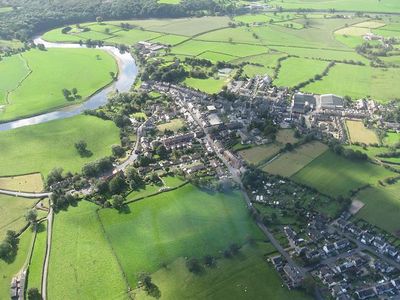
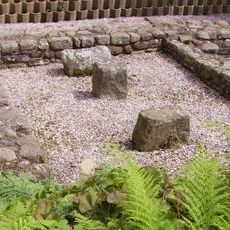
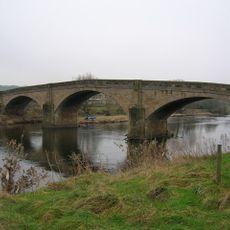
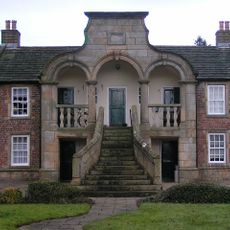
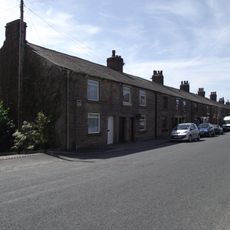
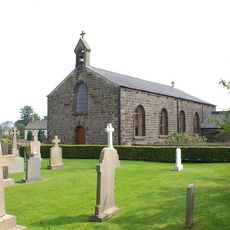
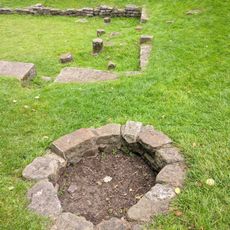
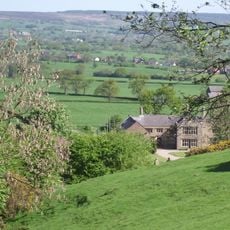
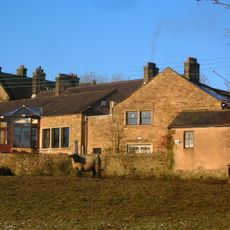
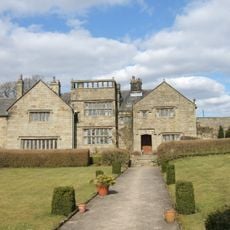
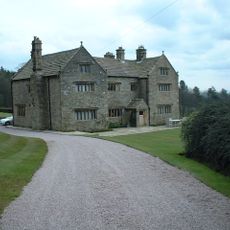
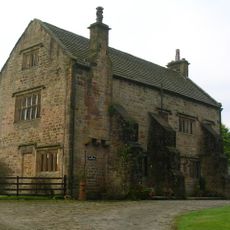
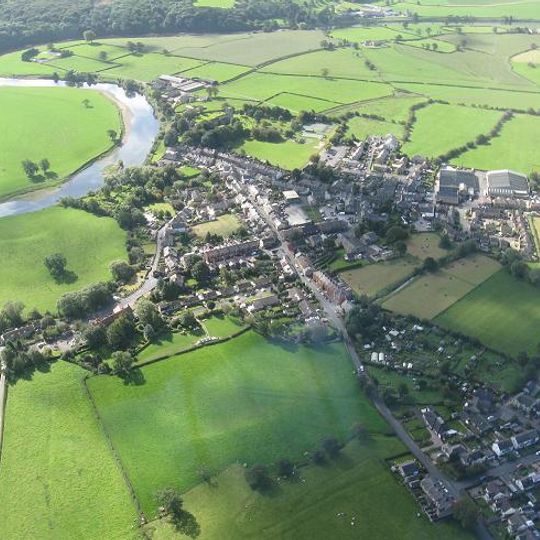
Ribchester is a small village in the Ribble Valley, Lancashire, situated beside the River Ribble. It contains a Roman bath house from the 1st century with surviving floors and pillars, a museum displaying Roman artifacts and a famous cavalry helmet, several churches dating from the 13th century, and traditional buildings with mock Tudor features.
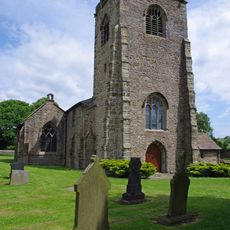
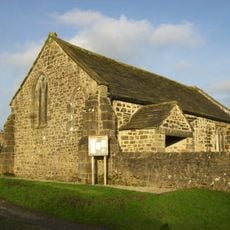
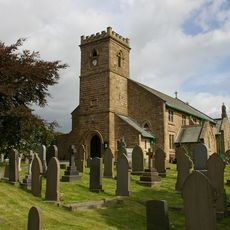
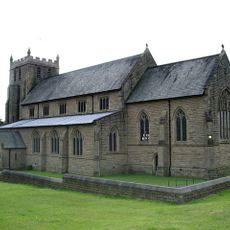
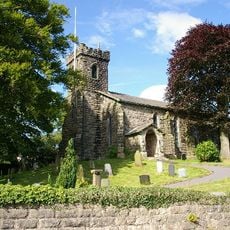
The site takes its name from the Roman fort Bremetennacum, built in the late 1st century beside the River Ribble to guard a crossing point. Later the settlement developed into a village with medieval churches such as Stydd Chapel from the 12th century and St. Wilfrid's Church, which still stand today.
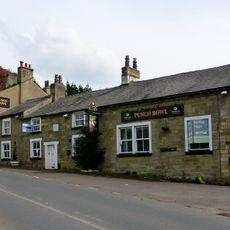
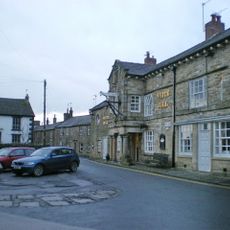
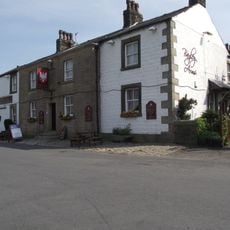
The name Ribchester comes from the Latin name of the Roman fort Bremetennacum. Dog walkers are a familiar sight along the riverside paths, and the four pubs serve as gathering places where locals meet and catch up with each other.
The village is easily explored on foot with various riverside paths available, including the Ribble Way which follows the river from the Yorkshire hills to the coast. Several pubs and a tearoom offer places to rest after walking and serve meals made with local ingredients.
A famous Roman cavalry helmet, one of the most valuable finds from the fort, was discovered in the 1700s and is now displayed in a London museum. This remarkable discovery reveals the military importance of the Roman settlement and attracts history enthusiasts from around the world.
The community of curious travelers
AroundUs brings together thousands of curated places, local tips, and hidden gems, enriched daily by 90,740 contributors worldwide.