Dryburgh Abbey, Premonstratensian monastery and cemetery in Scottish Borders, Scotland
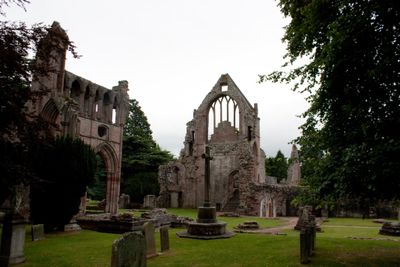
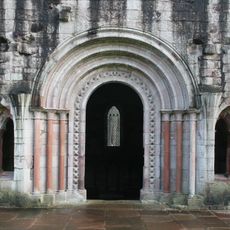
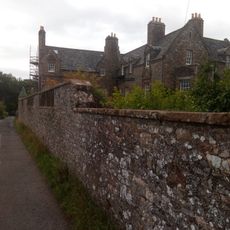
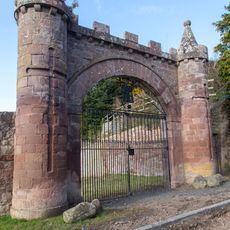
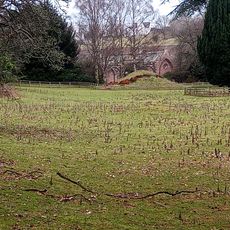
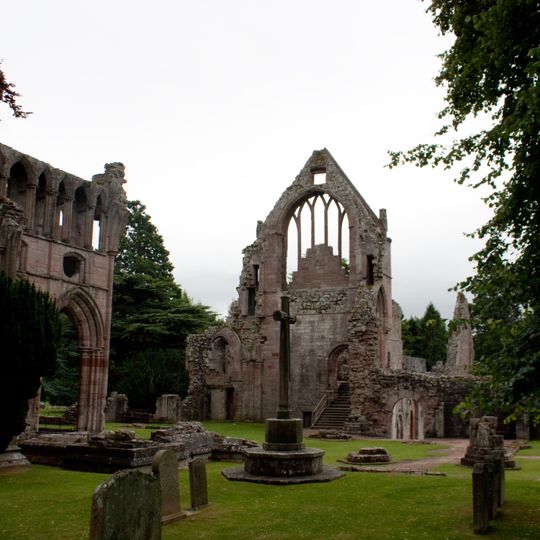
Dryburgh Abbey is a Premonstratensian monastery ruin situated beside the River Tweed, displaying stone walls and gothic arches that date to the 12th century. The remaining structures reveal the layout of the church, cloisters, and monastic buildings that once formed the community's daily life.
The abbey was founded in 1150 and suffered severe damage when English troops burned it during the 1320s and 1380s in territorial conflicts. Subsequent rebuilding efforts were limited, and the site eventually fell into decline.
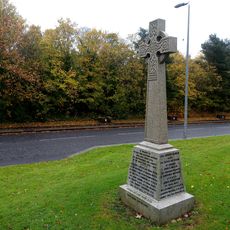
The grounds hold burials of notable Scottish figures, including author Sir Walter Scott and Field Marshal Douglas Haig from World War I, making it a place where history and remembrance intersect. Visitors notice how the site continues to serve as a quiet memorial space where local history comes alive through the names carved in stone.
The grounds are accessible on foot, allowing visitors to explore the ruins from multiple angles while watching for uneven surfaces and stone steps. Reading the information panels on-site helps visitors understand the different areas of the former monastic complex.
The ruin is the subject of a local legend about a spirit known as Fat Lips said to assist a woman grieving her lover from the Jacobite Rebellion. This transmitted story deepens the sense of the place as one where personal sorrow and historical loss are intertwined.
The community of curious travelers
AroundUs brings together thousands of curated places, local tips, and hidden gems, enriched daily by 92,743 contributors worldwide.