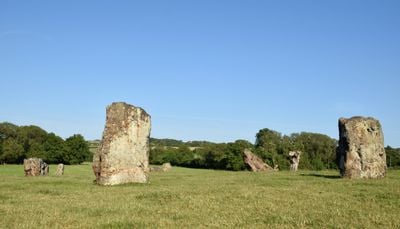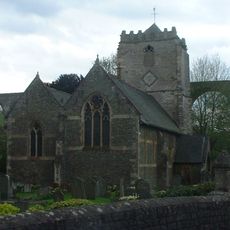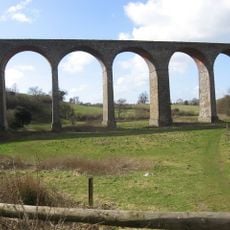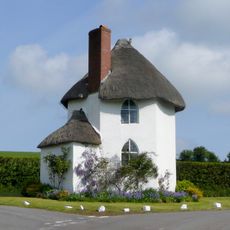
Stanton Drew stone circles, Neolithic stone circle complex in Somerset, England
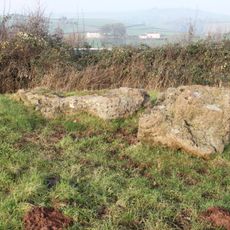
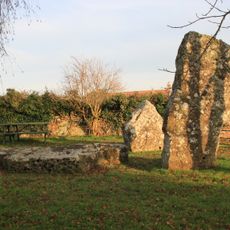
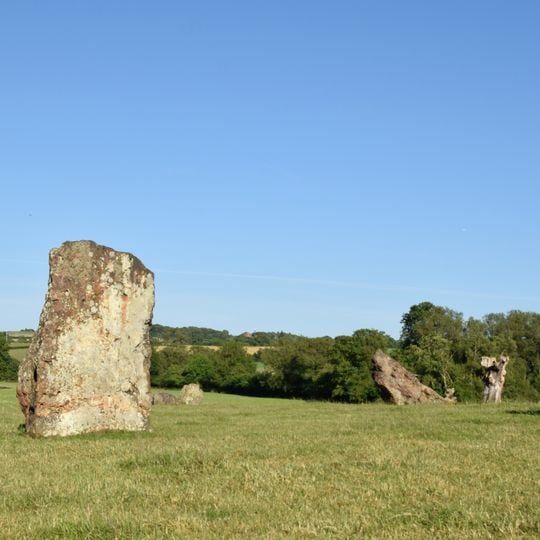
Stanton Drew consists of three Neolithic stone circles, with the Great Circle measuring around 113 meters across and formed by 27 surviving stones of limestone and breccia. Archaeological evidence shows nine concentric rings of wooden posts once stood inside the main circle, adding another layer to the site's original structure.
The complex was built between 3000 and 2000 BCE during the Neolithic period. Antiquarian John Aubrey first recorded the site in 1664, and it gained official protection as a scheduled monument in 1982.
An old legend speaks of a wedding party that danced until dawn and turned to stone, a tale that has shaped how people understand this place. Visitors often think of the stones as trapped dancers rather than ancient ritual markers.
The site is reached through public footpaths, though the southwestern circle sits on private land and needs special permission to visit. Wear sturdy shoes and comfortable clothing, as the open ground can be muddy depending on recent weather.
Geophysical surveys revealed nine concentric rings of wooden posts once stood inside the main circle, making the structure roughly twice the scale of Stonehenge. This hidden framework was only recently discovered through modern scanning technology, revealing how much more elaborate the original monument was.
The community of curious travelers
AroundUs brings together thousands of curated places, local tips, and hidden gems, enriched daily by 91,272 contributors worldwide.