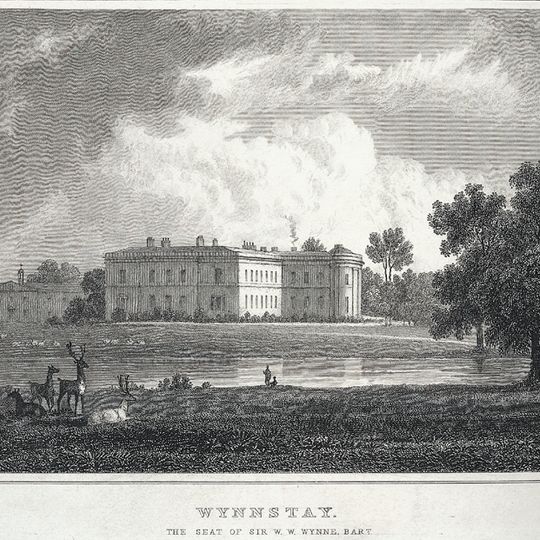
Ruabon, village and community in the county borough of Wrexham, Wales, UK
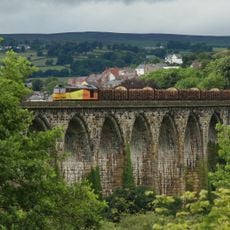
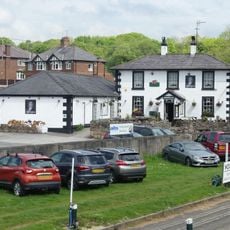
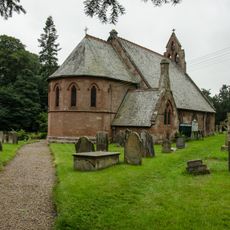
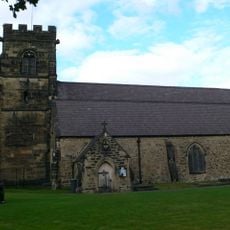
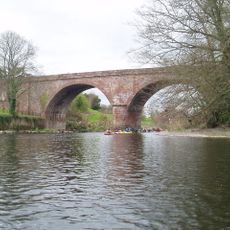
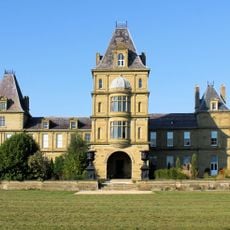
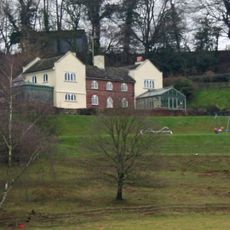
Ruabon is a village and community in Wrexham County Borough in north-east Wales, set in a valley carved by the Ruabon Brook. The land around it shifts between gentle hills, woods, and open moorland, all sitting above a subsoil rich in clay and coal.
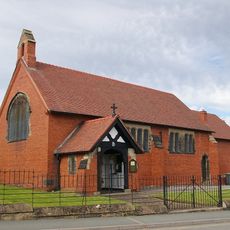
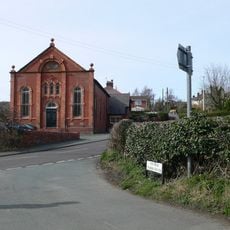
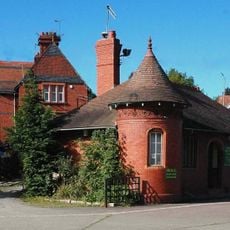
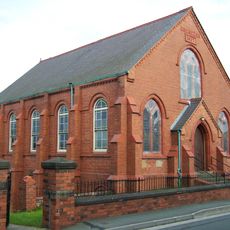
The area around Ruabon was occupied in the Bronze Age, with remains found in 1898, and hillforts from the Iron Age once stood in the surrounding landscape. During the Industrial Revolution, local clay deposits were turned into red bricks and terracotta that were sent to building sites across Britain.
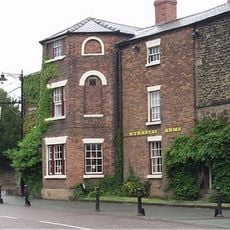
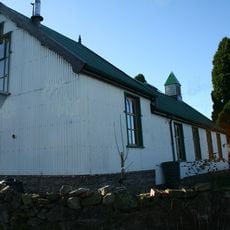
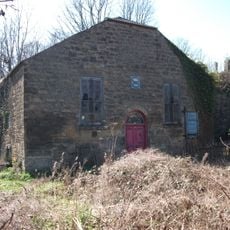
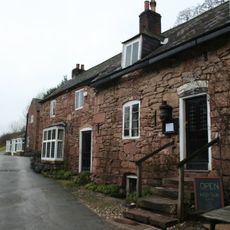
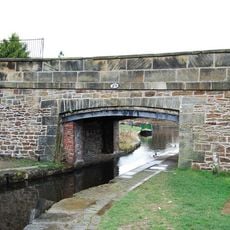
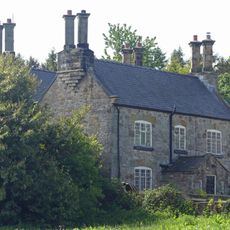
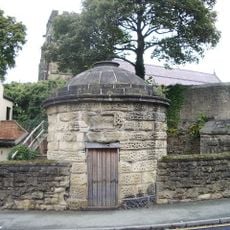
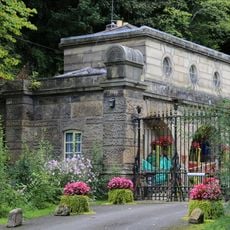
The name Ruabon comes from Welsh words for a hillside associated with an early saint named Mabon. Old stone walls and narrow lanes still shape the way the village looks and feels when you walk through it today.
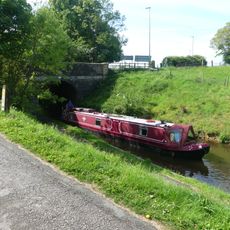
Ruabon has a railway station with connections to Chester and Birmingham, and the A483 road runs close by for drivers coming from nearby towns. The narrow lanes and the brook-side path are worth exploring on foot during the day, when the stone buildings and landscape details are easy to see.
A steamship named SS Ruabon, built in 1891, was torpedoed by a German submarine during World War I while carrying coal to Scotland. This shows how closely the village's coal trade was tied to long-distance shipping routes and the events of the war.
The community of curious travelers
AroundUs brings together thousands of curated places, local tips, and hidden gems, enriched daily by 90,833 contributors worldwide.