Port of Hull, Maritime port in Kingston upon Hull, United Kingdom
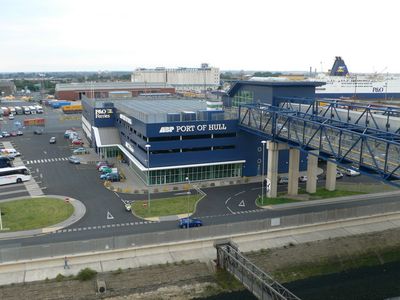
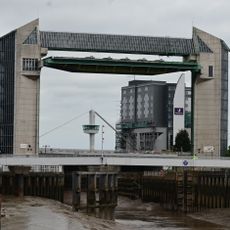
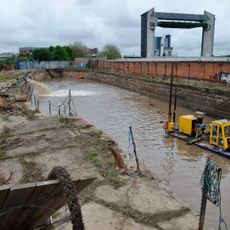
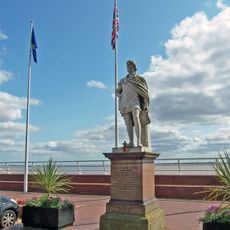
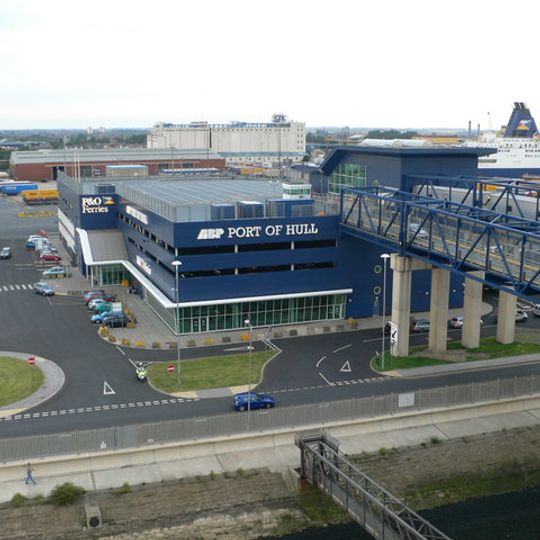
The Port of Hull is a modern port facility at the mouth of the Humber Estuary that stretches for several miles and handles different types of cargo. The landscape is defined by large container yards, grain silos, timber storage areas, and modern terminals where ships are loaded and unloaded throughout the day.
The site began in the 13th century as a wool port founded by monks from Meaux Abbey, and was acquired and renamed Kingston upon Hull by King Edward I in 1293. This renaming marked its rise to prominence as a trading city and made it a crucial center for English exports abroad.
The port retains the name that King Edward I gave it in 1293, and its docks and warehouses shape how locals see their city's identity. Generations have built their lives around the water and trade that flows through this place.
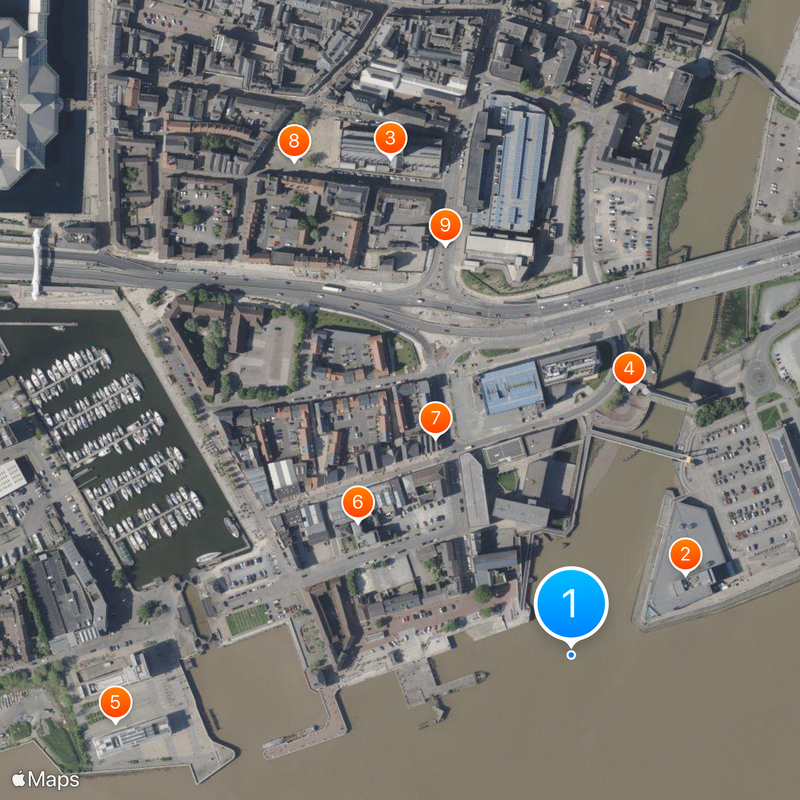
The port sits on the banks of the Humber and is best explored on foot, particularly the publicly accessible areas along the docks. Visitors should note that many working areas are restricted and you should stay on designated public paths.
A section of the old docks has been transformed into Green Port Hull, where offshore wind turbines for North Sea wind farms are now manufactured. This shift shows how the port has evolved from traditional cargo handling to clean energy production.
The community of curious travelers
AroundUs brings together thousands of curated places, local tips, and hidden gems, enriched daily by 91,840 contributors worldwide.