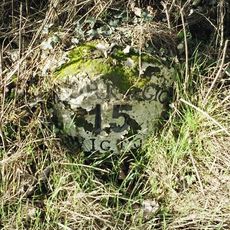
Silloth, port town in Cumbria, England
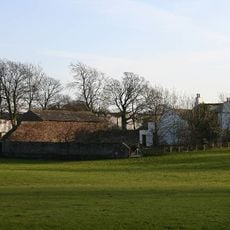
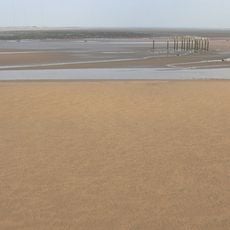
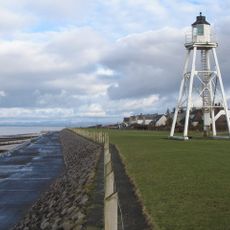
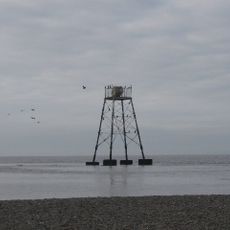
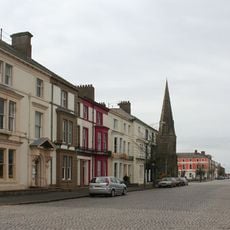
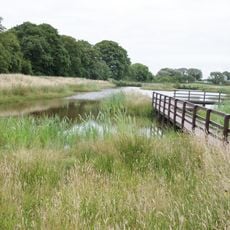
Silloth is a seaside town on the Solway Coast with wide, tree-lined streets and a village green next to a long promenade. The town sits between salt marshes to the north and dunes and beaches to the south, offering sandy shores with views across the Solway Firth toward Scotland.
Silloth became popular in the 1800s after a railway to Carlisle was built, followed by a dock that remains important today. An airfield on the outskirts was used during the Second World War to train pilots.
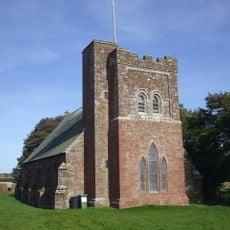
The name Silloth comes from 'sea lathes', referring to grain barns built by monks from nearby Holme Cultram Abbey. Visitors can still sense this connection to maritime and monastic heritage as they walk through the town's streets.
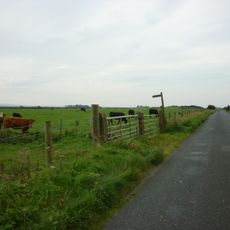
The flat surroundings make walking easy and accessible, with well-maintained paths along the promenade that follow the coastline. There are also several trails and footpaths leading inland through fields and small woodlands that are simple to explore.
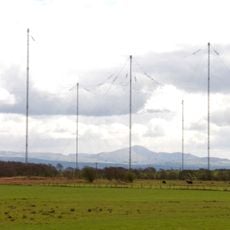
The BBC time signal, called the 'pips', is broadcast from Anthorn near Silloth, showing how this small town plays a role in national communications. Visitors may not notice this, but the place has an unexpectedly large importance for British radio and timekeeping systems.
The community of curious travelers
AroundUs brings together thousands of curated places, local tips, and hidden gems, enriched daily by 91,852 contributors worldwide.