Cullercoats, town in Tyne and Wear, England, United Kingdom
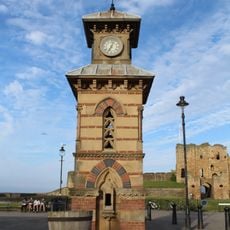
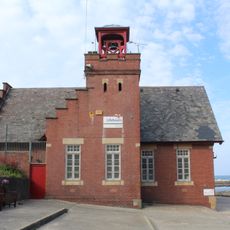
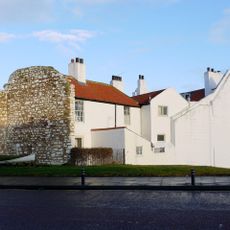
Cullercoats is a small seaside village with a wide sandy beach stretching between two piers and backed by high cliffs containing caves formed over centuries. The settlement contains a working lifeboat station, a historic Victorian Watch House, stone fishermen's cottages, and a marine laboratory where scientists study coastal ecosystems.
The village was founded in 1539 and developed as a fishing settlement, later adding coal mining and salt production from heated pans. A harbor and pier were constructed in the 1600s to facilitate export, while the 1800s brought an art movement and the establishment of a lifeboat station after a devastating storm claimed numerous lives.
The village became a gathering place for painters in the late 1800s who documented fishing life and coastal scenes. This artistic heritage remains visible today, with galleries showing works inspired by Cullercoats and local residents continuing artistic practices along the streets and waterfront.
The village is easily reached by train or car from nearby cities and is best explored on foot once you arrive. Spring through autumn offer the most pleasant conditions and the most activities, though coastal paths remain accessible throughout the year.
The lifeboat station at Cullercoats is staffed entirely by women for the first time, marking a significant shift in this traditionally male-dominated service. American painter Winslow Homer spent time here and created paintings of fishermen and coastal scenes that are now displayed in museums around the world.
The community of curious travelers
AroundUs brings together thousands of curated places, local tips, and hidden gems, enriched daily by 91,871 contributors worldwide.