Polden Hills, Limestone hill chain in Mendip, England
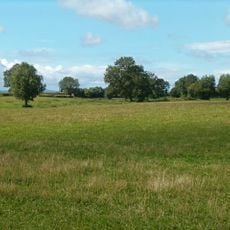
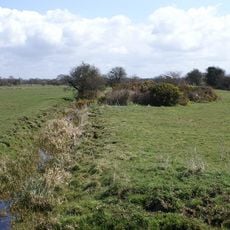
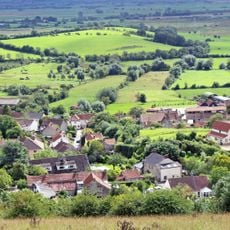
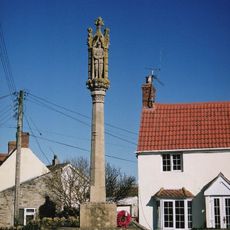
The Polden Hills are a low limestone ridge running east to west across Somerset, England, sitting above the flat wetlands of the Somerset Levels. The ridge is narrow and elongated, with gentle slopes on both sides, open grassland on the higher ground, and hedged farmland descending toward the surrounding plain.
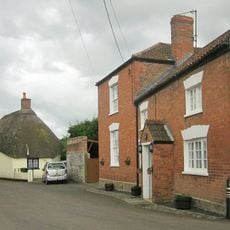
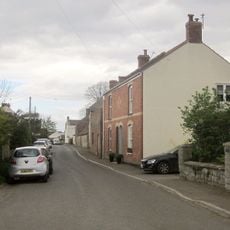
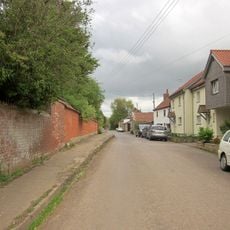
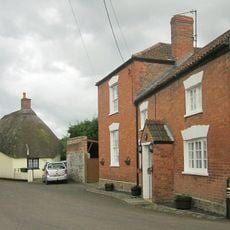
Roman roads once ran along the ridge, linking communities on either side of the surrounding wetlands, making this one of the few dry routes across the area. By the time of the Domesday Book in 1086, several villages were already established on the slopes, showing how long the hills have been settled.
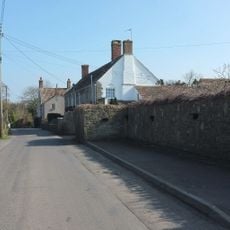
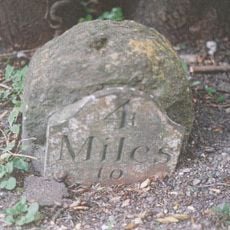
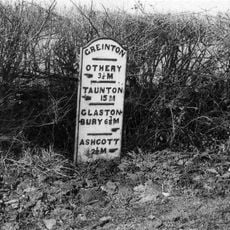
The ridge is crossed by old trackways that local communities have used for centuries to move between villages on either side. Stone field boundaries and ancient hedgerows along the slopes still reflect the farming patterns of past generations.
Marked footpaths run along the ridge and down the slopes, with several villages at the foot of the hills offering easy starting points for a walk. The paths can get muddy after rain, so sturdy footwear is a good idea before heading out.
The woods and grasslands of Great Breach and Copley Woods shelter the large blue butterfly, one of the rarest butterflies in Britain, which was once thought to be extinct in the country. It was brought back through a careful reintroduction program, and the Polden Hills are now one of the few places in England where it can still be seen.
The community of curious travelers
AroundUs brings together thousands of curated places, local tips, and hidden gems, enriched daily by 90,775 contributors worldwide.