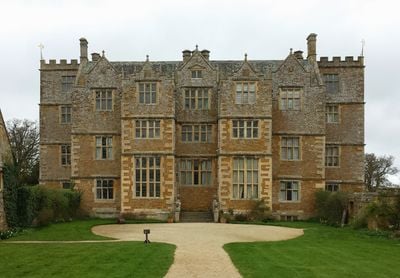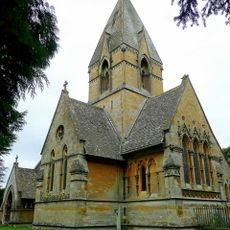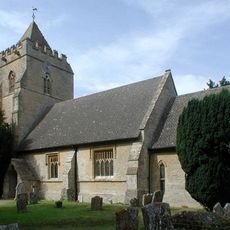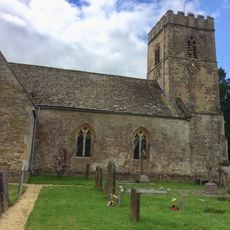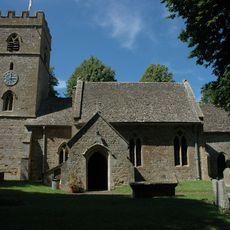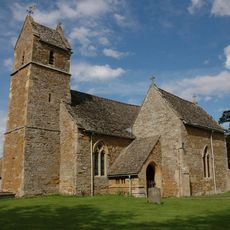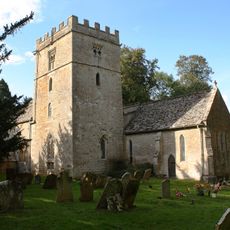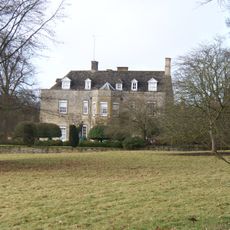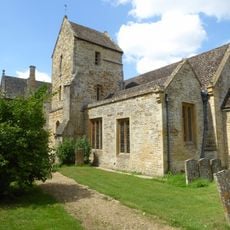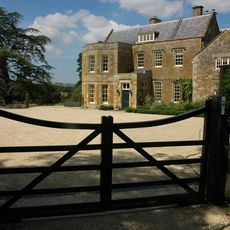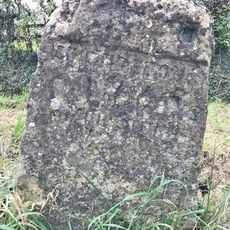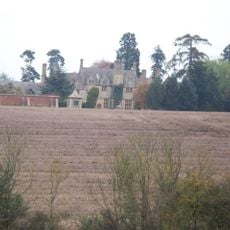
Chastleton House, Jacobean country estate in Chastleton, England
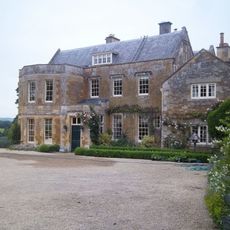
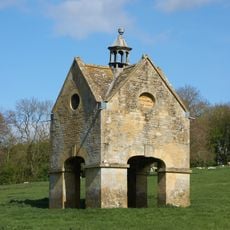
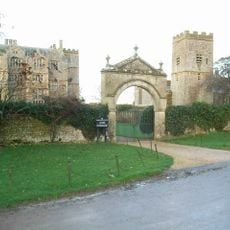
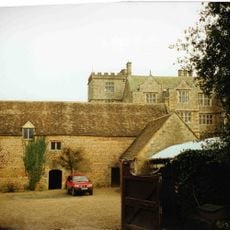
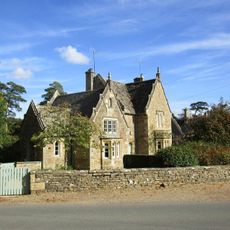
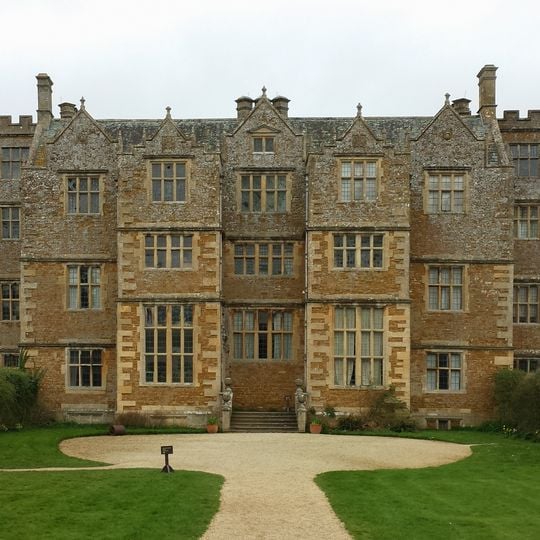
Chastleton House is a Jacobean country estate in the Cotswolds, built from stone with a 72-foot Long Gallery, classical wall paneling, and Renaissance decorative details throughout. It is maintained under a controlled decay policy, preserving original furnishings and handwoven tapestries without modern restoration.
A wealthy lawyer named Walter Jones commissioned the building between 1607 and 1612, funding it through his legal practice and his family's wool trading business in Wales. The house remained largely unchanged after its completion, allowing its original character to survive to the present day.
The house preserves its original layout with formal gardens, showing how wealthy families arranged their estates in the early 1600s. The rooms tell stories of daily life and reveal how people used their homes during that period.
Viewing is limited and requires patience, as parts of the house are dimly lit and restricted access to rooms sets a slow pace for exploring. Visitors should allow plenty of time and prepare to move through the property at their own rhythm.
A religious Bible reportedly present at the execution of King Charles I is held in the house's collections and intrigues visitors with its historical connection. Additionally, croquet courts laid out in the mid-1800s reflect an early sporting fashion that took hold in England at that time.
The community of curious travelers
AroundUs brings together thousands of curated places, local tips, and hidden gems, enriched daily by 92,882 contributors worldwide.