Holborn Head, Coastal headland and Site of Special Scientific Interest in Highland, Scotland.
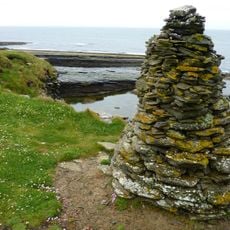
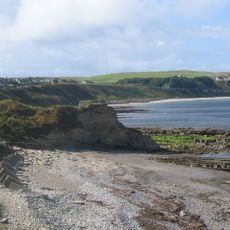
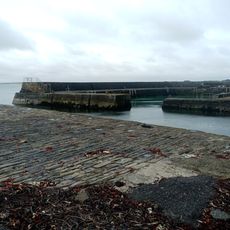
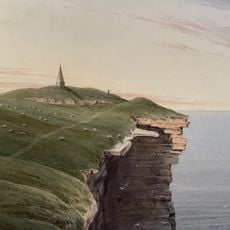
Holborn Head is a rocky cape on the northern coast of Caithness that extends into the Atlantic Ocean with steep cliffs and natural rock formations throughout. The headland features raw stone formations and open sea views that define its exposed character.
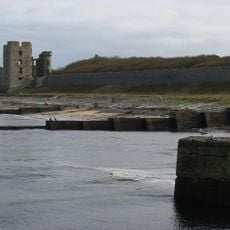
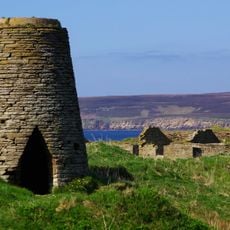
The headland contains remains of an ancient fort that likely dates between 2400 BC and 900 AD and received protected monument status in 1933. This early settlement shows how strategically important this coastal location was for people across many periods.
The name Holborn comes from Norse language and refers to the hilltop fort that once occupied this strategic coastal location. The ruins visible today shape how visitors understand the enduring importance of this place.
Visitors can reach the headland through designated walking paths starting near the Principal Keeper's House with stiles for easier access. Keep in mind that coastal weather can change quickly and sturdy footwear is essential for the rocky terrain.
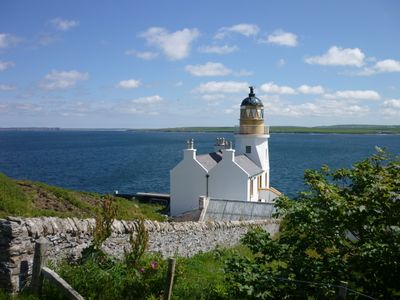
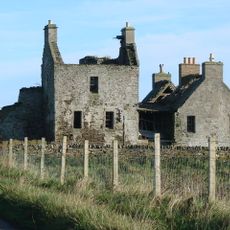
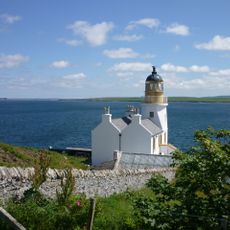
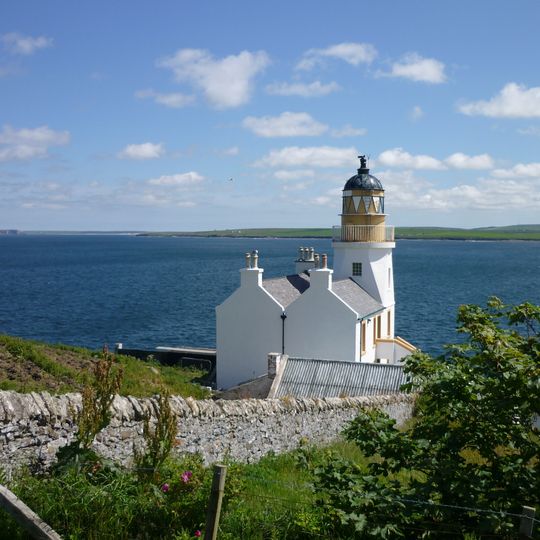
The lighthouse built in 1862 by David and Thomas Stevenson combines its light tower with the keepers' house in an unusual single-building design. This integrated arrangement was a practical solution for the isolated location and allowed keepers to monitor the beacon efficiently.
The community of curious travelers
AroundUs brings together thousands of curated places, local tips, and hidden gems, enriched daily by 92,641 contributors worldwide.