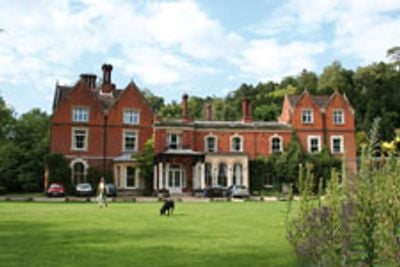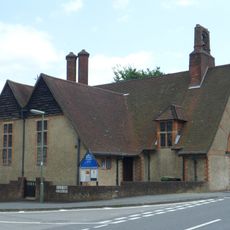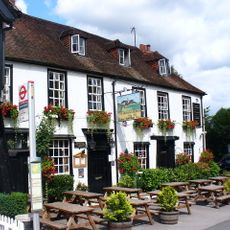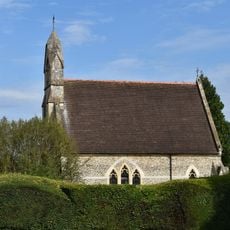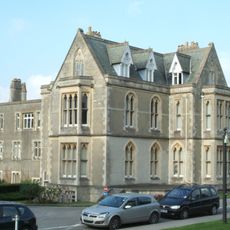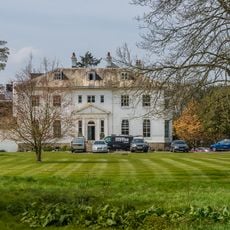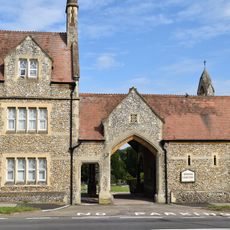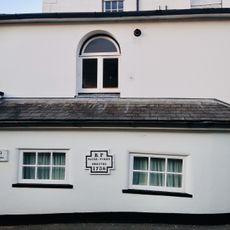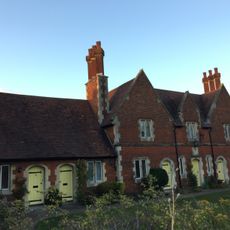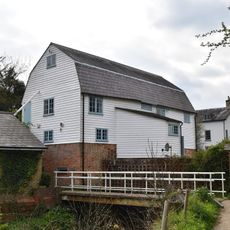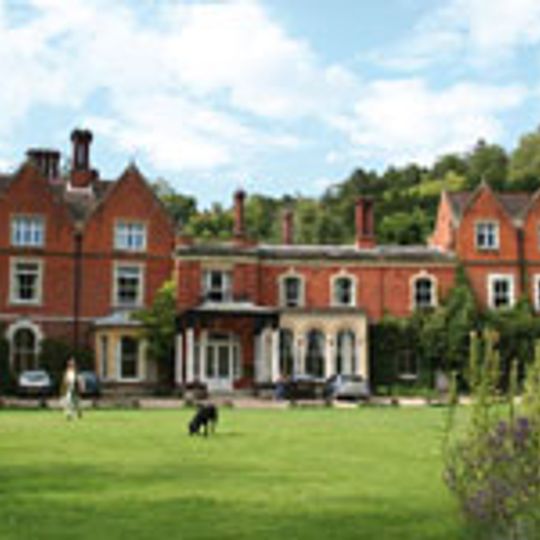
Juniper Hall, English country house in Mickleham, England.
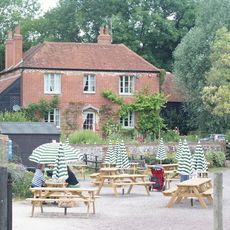
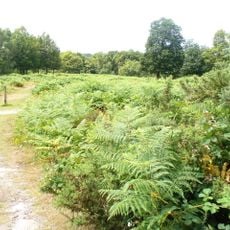
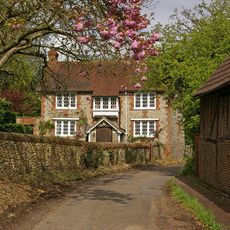
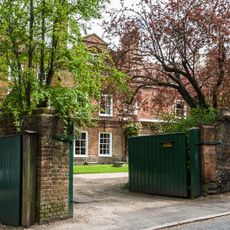
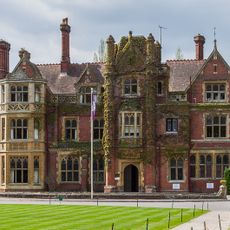
Juniper Hall is a red brick country house from the 18th century, set on the eastern slopes of the North Downs in Mickleham, England, within a landscape of chalk grassland and woodland. It is now managed by the Field Studies Council as a residential field centre, with teaching rooms and outdoor study areas on site.
The house started life as a public house called The Royal Oak before Cecil Bishopp converted it into a private residence in 1762, following his purchase of the Fridley estate. In the 19th century it sheltered a group of French emigrants fleeing the Revolution, including the writer Talleyrand and Madame de Staël.
Juniper Hall takes its name from the juniper shrubs that grow on the surrounding chalk slopes, which visitors can still see today on walks through the nearby countryside. The house is now run as a field study centre, drawing school groups and researchers who come to work directly in the landscape around it.
The centre is a short walk from the village of Mickleham and can be reached on foot from a bus stop near the A24, though having your own transport makes access easier. A visit works best during the warmer months, when outdoor activities are in full swing and the surrounding paths are easy to walk.
In the 1790s, the house became a gathering place for French refugees, and the writer Fanny Burney met her future husband, General Alexandre d'Arblay, there during her visits. Her letters written at Juniper Hall are among the few direct accounts of émigré life in England during the Revolution.
The community of curious travelers
AroundUs brings together thousands of curated places, local tips, and hidden gems, enriched daily by 91,674 contributors worldwide.