Tideway, Tidal section of River Thames in London, United Kingdom
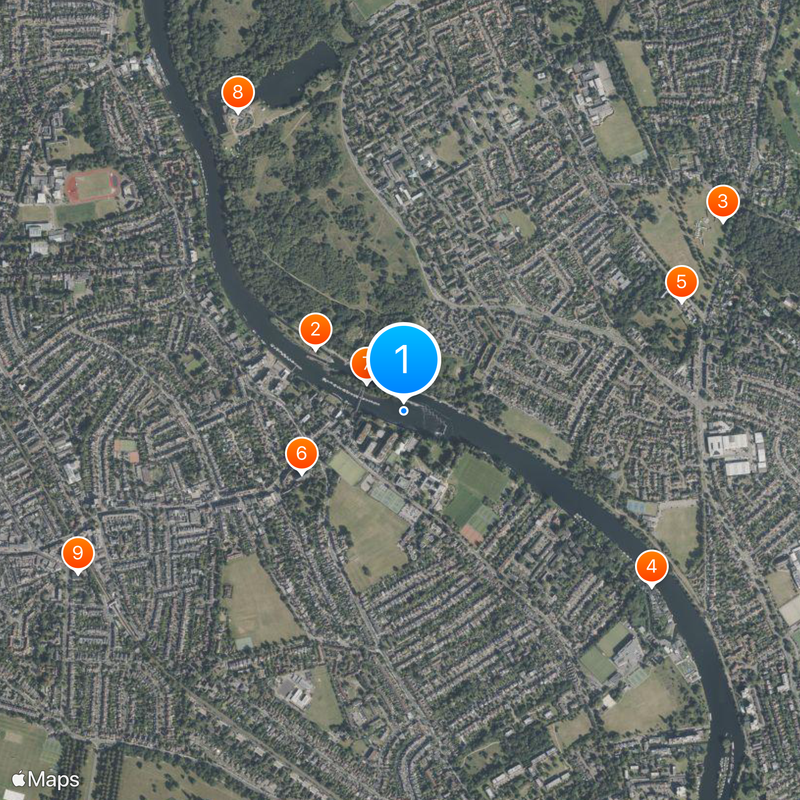
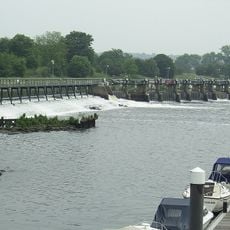
The Tideway is the tidal section of the River Thames extending from Teddington Lock downstream to the estuary, where ocean-going vessels travel to reach the port. Water levels rise and fall dramatically twice each day, moving vertically up to 23 feet (7 meters) and creating strong currents that shape how ships navigate.
The stretch became England's principal port during the 1600s and grew steadily until the Port of London Authority took formal control in 1909. Over time, the working character of the river has shifted, with older docks declining and new uses emerging, though it remains vital for shipping.
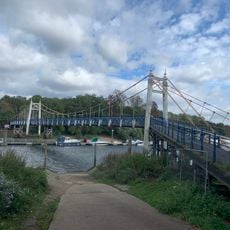
The Pool of London has been the heart of shipping activity for centuries, and locals still gather along the banks to watch vessels pass. The bridges and riverside paths are places where people naturally pause to observe the constant movement of boats and the rhythm of working water.
Plan your visit around tidal times, as water levels fluctuate significantly and the best moments for watching ships depend on the tide schedule. The riverbanks are accessible from multiple public paths and walkways that run continuously along the water's edge.
The extreme tidal range creates a narrow window of safe passage for ships, forcing captains to time their movements precisely to the rising and falling water. This demanding aspect has shaped London's reputation as one of Europe's most challenging ports to navigate.
The community of curious travelers
AroundUs brings together thousands of curated places, local tips, and hidden gems, enriched daily by 92,720 contributors worldwide.